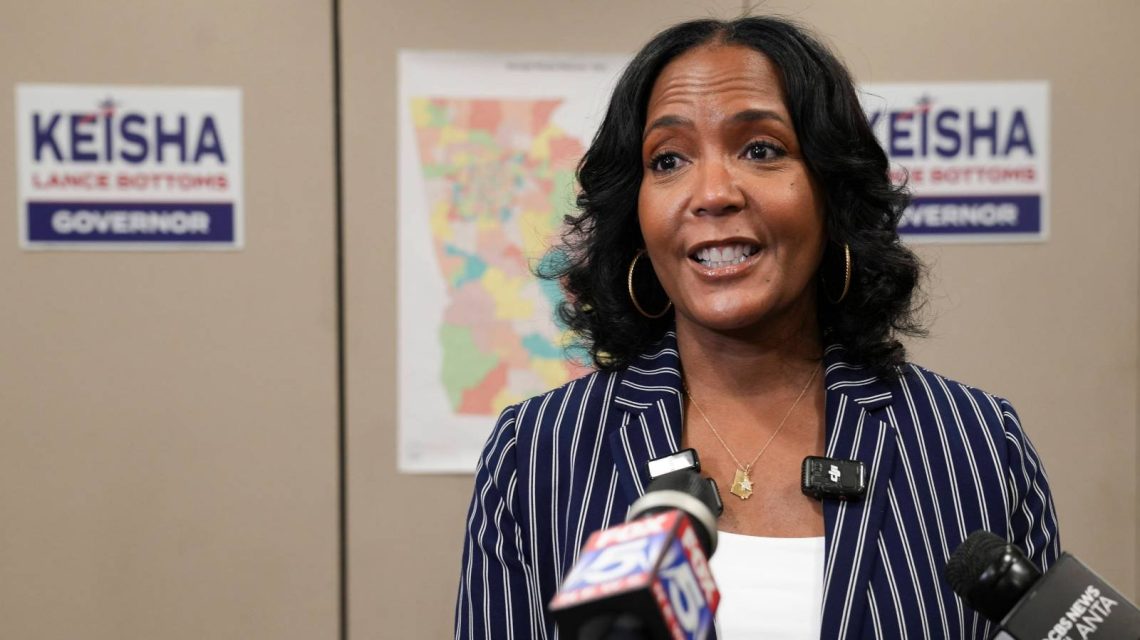
Keisha Lance Bottoms, former Mayor of Atlanta, enters the 2026 Georgia gubernatorial race with significant momentum. With Governor Brian Kemp term-limited, Democrats see a rare opportunity in a state that hasn’t elected a Democratic governor in decades. Current polling places Bottoms ahead of her Republican counterparts, outperforming Stacey Abrams’ position in 2020 against Kemp. However, Republicans aim to consolidate support around one candidate, posing a challenging path for Bottoms.
Democratic Primary Success
Bottoms cleared a crucial step by winning the Democratic primary decisively in May. This victory enabled quick party unification while Republicans were divided between Lieutenant Governor Burt Jones and businessman Rick Jackson. Early polls show Bottoms competitive, sometimes slightly ahead, against the Republican nominee.
The race remains dynamic. Georgia is a key swing state. The outcome depends on voter turnout, national political conditions, and Republican unity after their primary battle.
Challenges Against Rick Jackson
Rick Jackson emerged victorious in the Republican runoff, securing 52.7% of the vote when the Associated Press called the race. Facing Jackson will offer Bottoms an unpredictable challenge. Jackson, a wealthy healthcare executive, leverages personal funds for his campaign, positioning as an outsider against the Republican establishment. His ability to self-fund provides an advantage in messaging and advertising.
Jackson’s outsider status may appeal to voters disenchanted with traditional politics. Yet, he lacks the political experience and network that Jones would have brought. His campaign focuses on business experience and tax cuts rather than a political record. Bottoms can use her mayoral and public service record to challenge Jackson.
Polls from Concord Public Opinion Partners and markets like Kalshi and Polymarket show varying probabilities for Bottoms’ victory, ranging from 53% to 56%. However, Jackson’s financial resources could close this gap, reshaping the election dynamics with substantial media spending.
Historical Context and Democratic Challenges
One challenge for Bottoms is the historical trend. The last Democrat to serve as governor was Roy Barnes from 1999 to 2003. Since then, Republicans have held the office, despite Democrats gaining in federal contests. This history underscores the difficulty of the task ahead for Bottoms.
The last elections, including Kemp’s 2022 reelection by over seven points, show the GOP’s strength at the state level. Bottoms must achieve strong Democratic turnout and attract moderate Republicans and independents, an area where Democrats have struggled in past gubernatorial races.
The open-seat nature of the 2026 race offers a unique opportunity. With no incumbent, Democrats can possibly benefit from favorable conditions not present in past contests.
National Political Factors
The national political environment, particularly Trump’s standing, might influence the race. Trump’s approval rating in Georgia is currently -20%, with an overall approval of 41% according to Civiqs. His economic policies and response to the war in Iran have affected his ratings, potentially impacting independent and suburban voter support.
Bottoms could gain an advantage by aligning opponents with Trump, mobilizing voters opposed to his policies. Yet, Democrats must not rely solely on negative sentiment toward Trump. Georgia remains divided, and the race will likely depend on candidate-specific appeals alongside broader political currents.
Bottoms positions herself favorably compared to previous Democratic candidates, but still faces a narrow victory path. She benefits from early poll leads, a unified party, and a potentially supportive political climate but must overcome longstanding challenges, including a robust Republican opponent and historical Democratic struggles in gubernatorial races.
Ultimately, voter turnout, independents, and national politics will be critical. As a battleground state, even slight shifts in voter attitudes could determine Georgia’s election outcome.
 Byron Donalds Adjusts Campaign Strategy as Florida Governor Race Intensifies
  Trump’s Engagements at the UN: Focus on Ukraine and White House Developments
  Collins Faces Scrutiny in Tight Maine Senate Race Amid Donor Allegations
  Trump’s Vision for Global Security: Iran, AI, and the Role of the U.S.
  Nevada Attorney General Faces Questions Over Clemency Bid
  Trump Administration’s Crackdown on ACA Coverage