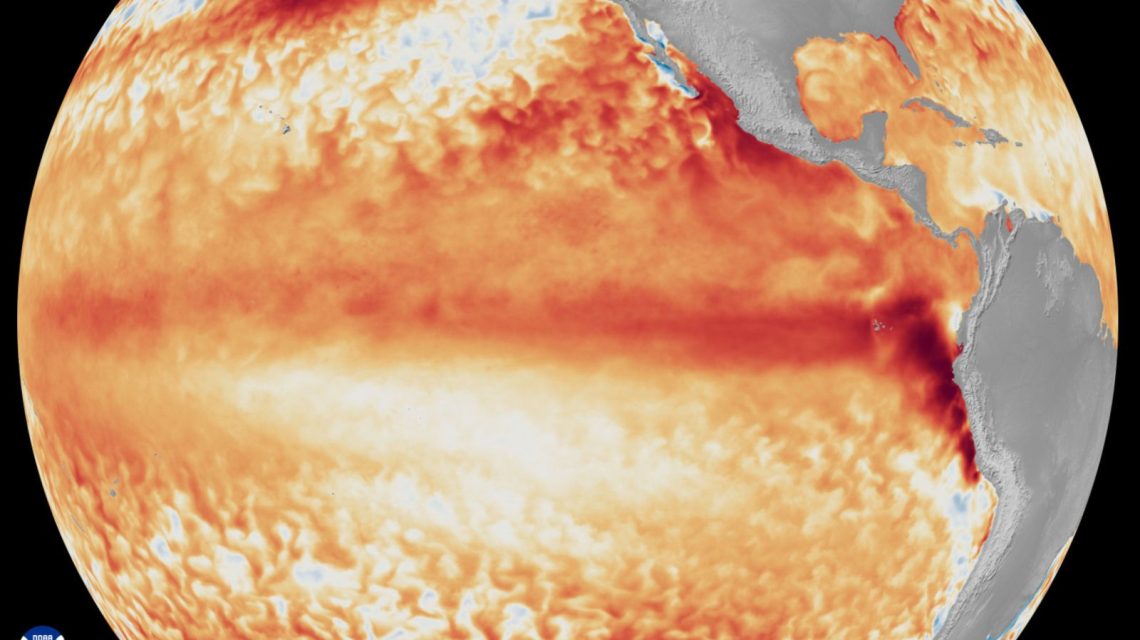
The El Niño climate pattern has emerged in the tropical Pacific, potentially becoming one of the most significant events in seven decades, according to Australia’s Bureau of Meteorology. This climate phenomenon is identified by unusually warm sea-surface temperatures in the central and eastern Pacific Ocean. Predictions indicate that El Niño will strengthen throughout the latter part of 2026, with some models suggesting it could be one of the strongest since 1950.
Australia’s Warning and Implications
The Bureau of Meteorology projects a powerful El Niño event. This forecast is based on substantial warming in the central tropical Pacific. Approximately half of the models predict that this event might reach unprecedented levels observed since 1950. The agency anticipates below-average rainfall in parts of southern and eastern Australia between July and September. Temperatures are expected to be higher than usual in most areas, except for some regions in the north.
Australia’s agricultural sector may face challenges due to this climate event. El Niño often results in reduced rainfall and heightened temperatures, impacting crop and livestock conditions. It can also elevate the risk of frosts and fires. As a major exporter of wheat, sugar, and beef, Australia plays a critical role in global food markets.
Previous El Niño occurrences, such as from 2023 to 2024, led to the driest three months recorded in parts of Australia. The powerful 2015-2016 event caused widespread droughts and decreased grain and oilseed outputs. Typically, El Niño lasts six to 12 months, but some instances have persisted for up to two years. Current forecasts suggest this event will continue into 2027.
Impact on the United States
In the U.S., El Niño’s effects are mostly experienced during winter months. The warming in the Pacific Ocean shifts the jet stream’s position, affecting major storm tracks. Southern U.S. regions usually encounter wetter and stormier conditions during a typical El Niño winter. The Pacific jet stream moving southward increases the chances of rain and mountain snow in California, the Southwest, the Gulf Coast, and certain southeastern areas.
While increased precipitation can help replenish reservoirs and mitigate drought effects, it also raises flooding and mudslide risks in vulnerable zones. Simultaneously, much of the northern U.S might see milder winter temperatures. The National Oceanic and Atmospheric Administration notes that El Niño winters often bring warmer conditions to northern states, cutting heating demand and reducing prolonged cold spells.
El Niño could also affect the 2026 Atlantic hurricane season. Stronger upper-level winds associated with the phenomenon may suppress hurricane and storm activity in the Atlantic.
 Communities Continuing Recovery from Hurricane Helene Explored through Graphic Novel
  Fat Bear Week 2026 Highlights: Meet the Competitors
  Annual Fat Bear Week Begins at Katmai National Park
  Understanding Hurricane Development
  California Prepares for El Niño-Fueled Storms with Emergency Declaration
  California’s Growing EV Adoption: Challenges and Benefits