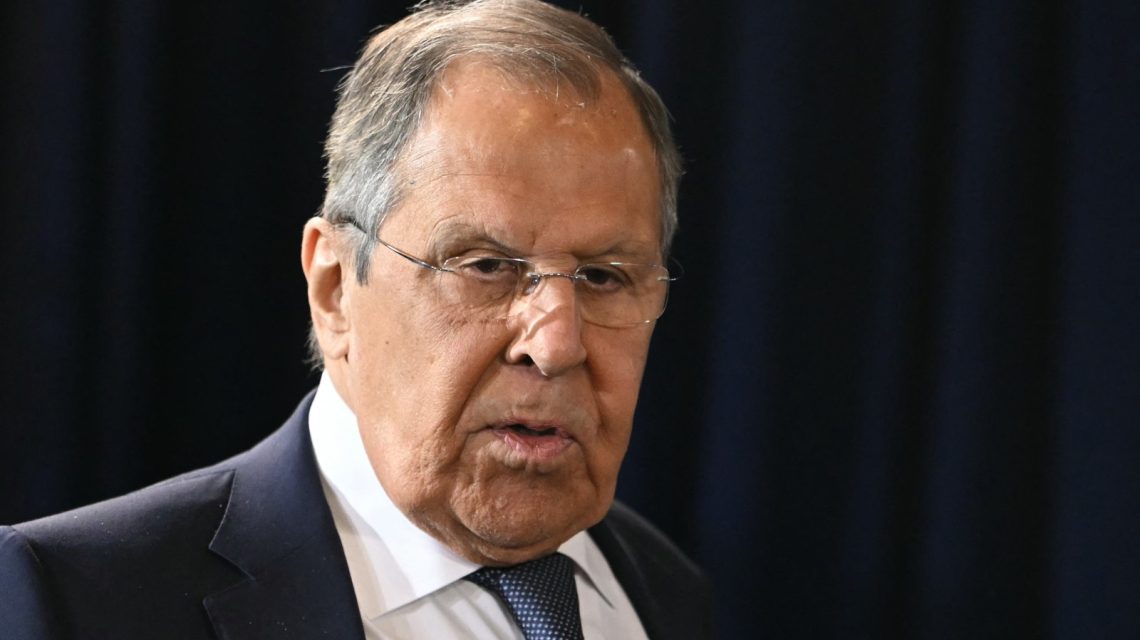
Russia has approached the recent U.S.-Iran agreement with caution. Foreign Minister Sergey Lavrov expressed hope for the formalization of the deal announced by President Donald Trump. Lavrov noted the agreement’s uncertain success. The deal aims to end hostilities and reopen the Strait of Hormuz, a vital shipping route disrupted by conflict. Despite plans for a formal signing in Switzerland, some details remain unresolved.
Russian Support with Reservations
Lavrov emphasized the importance of converting political announcements into concrete actions. He stated that Moscow hopes the framework agreement will be formalized soon. Russia showed careful support for progress while avoiding endorsement of specific terms. Lavrov highlighted that lasting peace requires sustained political will and warned that resolutions can take time. This aligns with Russia’s support for diplomacy and skepticism about agreements maintaining under pressure.
Discussions Between Trump and Putin
The agreement has been a topic in U.S.-Russia diplomacy. Trump and Russian President Vladimir Putin discussed this in a phone call described as “friendly” and “frank.” The conversation touched on the U.S.-Iran memorandum and other issues. This reflects Russia’s continued engagement in the Middle East and its interest in negotiation outcomes, influencing U.S.-Russia relations.
Uncertain Factors from Israel
Despite the U.S.-Iran deal, uncertainties remain, notably due to Israel’s stance. Israel, not part of the agreement, has stated it will not adhere to its terms. Israeli officials have not agreed to withdraw from southern Lebanon territories and have targeted Hezbollah positions. These actions raise doubts about the agreement’s ability to halt fighting. Israeli efforts against Hezbollah, such as strikes near Beirut, nearly derailed the deal, and criticisms persist from Israeli figures, including Finance Minister Bezalel Smotrich.
Even if the U.S. and Iran follow the agreement, Israeli operations could prolong regional instability and limit the deal’s impact. Trump expressed a desire to address the Lebanon issue during discussions in France.
Key Issues Remain Unsettled
The deal leaves unresolved issues like Iran’s nuclear program and sanctions relief. While the memorandum offers a ceasefire mechanism and a path to further agreements, it leaves room for renewed tensions. Negotiations expected to address these topics might last around 60 days. The agreement is a starting point for negotiations but not a final resolution.
Iranian President Masoud Pezeshkian acknowledged on X that the agreement is a step toward negotiations, but a final settlement has not been achieved.
Russia’s Balanced Response
Russia’s reaction reflects its ties to Iran and its diplomatic approach during the conflict. Russia has advocated for negotiated solutions while maintaining strategic relations with Iran. Lavrov’s comments encouraged progress yet stressed the need for implementation. Russia aims to maintain its influence in regional discussions, positioning itself as a mediator.
Fragile Peace
The potential agreement represents progress toward ending the conflict, but lasting peace remains uncertain. U.S.-Iran negotiations have advanced significantly, but Russian foreign intelligence chief Sergei Naryshkin emphasized the fragility of peace. He noted that the preliminary memorandum offers groundwork for continuing efforts to restore peace in the Middle East, if successfully signed.
 Chad Eberle Arrested in Mexico for Triple Homicide
 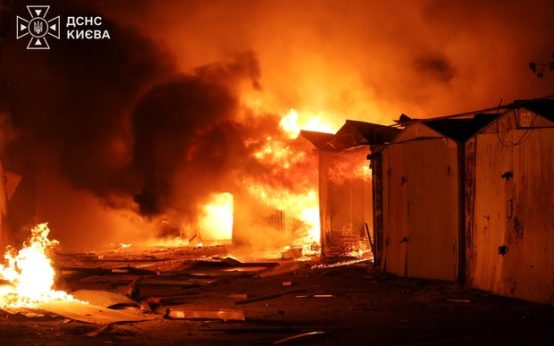 Impact of Russian Strikes in Ukraine’s Brovary District
  Tragedy Strikes with Boat Sinking Near Alcatraz and Kayaking Mishap in Wisconsin
 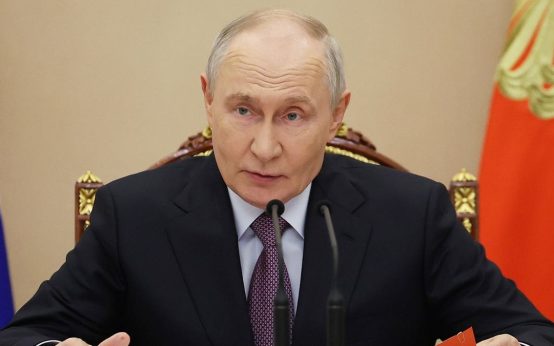 Potential Russian Threat to NATO: U.S. Intelligence Report
  Russian Provocations Test NATO’s Bond
  End of Temporary Protected Status for South Sudan and Burma