Chicago’s Rookery Building: A Landmark in Skyscraper Evolution
Chicago’s Rookery Building stands as a vital link to the birth of the modern skyscraper. Commissioned in 1885, it represents the oldest high-rise in the U.S. to use a steel-frame system, reshaping the way cities could grow vertically. As engineers and architects experimented with new construction methods, The Rookery bridged traditional masonry with iron and steel supports. It defined structural principles for modern skyscrapers.
The first skyscraper, Chicago’s Home Insurance Building, introduced steel framing in 1884–1885. This approach supported both the walls and full weight of the building. Though it was demolished in 1931, The Rookery, completed in 1888, remains the oldest existing example of this engineering milestone. Across the U.S., preservation and adaptation of historic architecture are common. Nearly half of the nation’s 125 million buildings are at least 50 years old, according to the American Institute of Architects (AIA). Adaptive reuse led to the creation of 25,000 new apartments from converted buildings in 2024, marking a 50% annual increase, as shown in a RentCafe survey.
The AIA highlights that reusing buildings can reduce carbon emissions by 50 to 75%. Reusing older structures avoids the release of embodied carbon emissions. Architect Gordon Gill, known for designing the world’s tallest skyscraper, emphasized the importance of refreshing older buildings to sustain relevance, rather than constructing new ones.
The Rise from Ashes
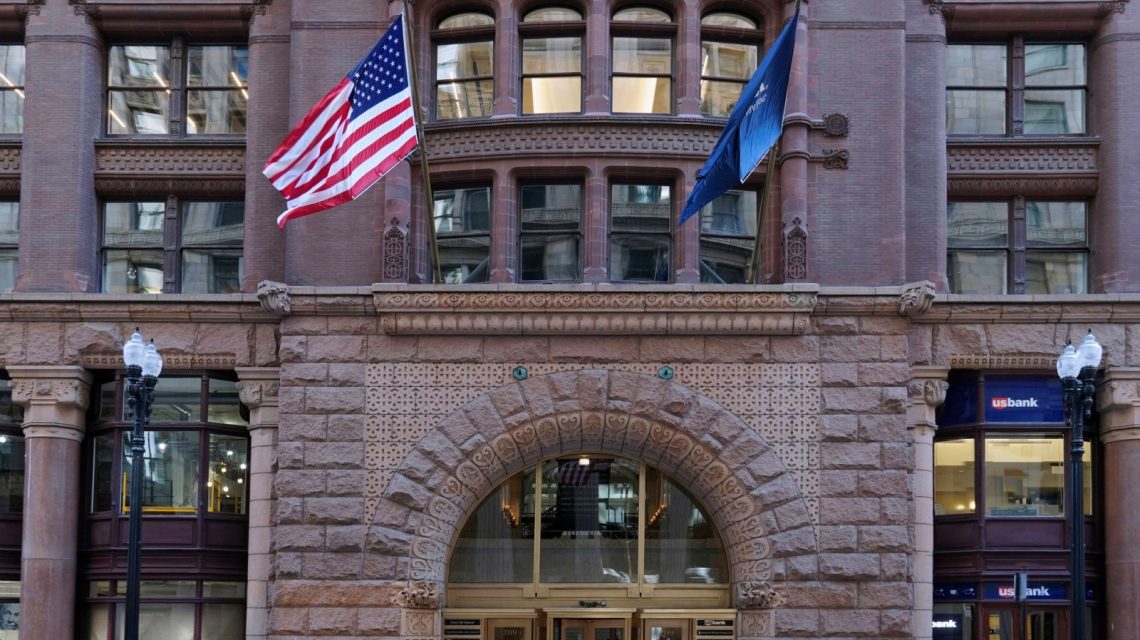
The Rookery’s beginnings are tied to Chicago’s recovery after the Great Fire of 1871. During the city’s rebuilding, architects and engineers explored methods for constructing taller, resilient buildings, paving the way for the skyscraper era. Commissioned in 1885 by Daniel Burnham and John Root, The Rookery embodied this ambition. When it opened in 1888, it was the largest and most elegant office building in the U.S., rising 12 stories to 181 feet, as noted by the Chicago Architecture Center.
Its structure merged old and new construction techniques. Root developed a hybrid system combining masonry exterior walls with iron and steel interior supports. This innovation addressed challenges such as differential settling between materials, marking a vital step in skyscraper design evolution.
Engineering Progress
The Rookery, once among the tallest buildings worldwide, showcased innovation beyond height. Its lobby plaques highlight it as Chicago’s oldest skyscraper and the first supported on a steel-grillage foundation. This foundation used iron rails in a crisscross pattern encased in concrete, allowing the building to “float” atop Chicago’s soft soil. It distributed immense weight horizontally to support taller structures. The design reflected a mix of global architectural influences, integrating Byzantine geometry, Venetian coloring, and Islamic arches. It captured the 19th-century fascination with international styles. The façade experimented with historical decorative forms, from Roman to Moorish, applied to a modern commercial building.
Modern Interiors and Light
A defining feature of The Rookery is its light court, addressing the 19th-century challenge of lighting and ventilation. Coal smoke and pollution made natural light scarce, while early electric lighting was unreliable and costly. Burnham and Root maximized daylight and airflow through design. The façade incorporated large glass expanses, and a central light well distributed light to offices. The Chicago Architecture Center highlights the light court’s ability to “maximize light and air,” featuring a glass ceiling over a two-storey lobby with white marble and gold detailing. A central atrium surrounded by offices further illuminated the interior and aided ventilation. Cool air entered as warm air rose and exited. The Rookery’s ongoing restoration demonstrates preservation-led development, ensuring this early skyscraper continues to inform future city designs.
 Scientists Uncover How Bacteria Create Cancer-Fighting Compounds