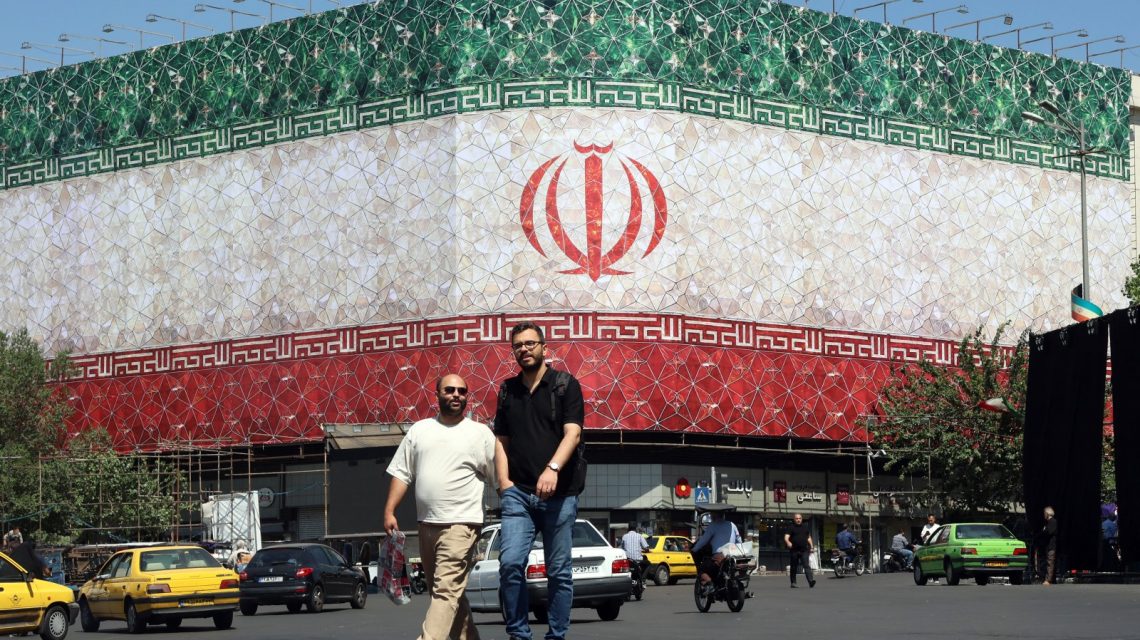
President Donald Trump recently announced a deal to end the Iran War through a memorandum of understanding (MOU) aimed at unblocking the Strait of Hormuz. While the reopening of the Strait has been met with applause, it also faces criticism and concerns from various quarters.
International and Domestic Concerns
Israel has emerged as a vocal critic, with significant reservations about the agreement. As reported by Yediot Aharonot, a Hebrew daily, the deal is deemed unfavorable by Israel, which was excluded from the negotiation process. The agreement entails the United States lifting its blockade on Iranian ports. This comes amid plans for more detailed discussions over the next 60 days concerning Tehran’s nuclear program and sanctions.
Hamidreza Azizi of SWP Berlin expressed uncertainties about the MOU, noting that without clear provisions, there remains room for misunderstandings or miscalculations from all parties involved.
Israeli Criticism and U.S. Reactions
Israel’s far-right finance minister, Bezalel Smotrich, labeled the MOU detrimental to Israel and the free world, vowing continued opposition to Tehran’s regime. Gadi Eisenkot, a leader of the Yashar party, highlighted the disparity between Prime Minister Benjamin Netanyahu’s rhetoric and the deal’s substance.
In the United States, Democratic Senator Chris Murphy acknowledged the end of the war but criticized the MOU as a submission to Iran’s demands. He warned that releasing billions of dollars in frozen funds to Iran could weaken U.S. leverage in forthcoming talks. Murphy emphasized that the MOU, lacking immediate follow-through, could remain unstable.
The Strategic Implications
Nate Swanson from the Scowcroft Middle East Security Initiative suggested that while the MOU might temporarily ease tensions and boost maritime activities, it leaves key issues unresolved. These include the control of the Strait of Hormuz, Iran’s nuclear concessions, and financial incentives. Swanson argued that reaching a comprehensive second-phase agreement could prove challenging, especially considering past U.S. impatience with complex nuclear deals.
Supreme Leader Mojtaba Khamenei’s hesitance to engage in extensive negotiations with the U.S. adds a layer of complexity, given personal and historical tensions.
Control Over the Strait of Hormuz
The signing of the agreement in Switzerland is anticipated, but questions linger over the Strait of Hormuz’s fate, a strategic priority for Tehran. The MOU’s reported details do not clarify control aspects, and Iran might maintain a toll system for passage.
Fars News, associated with the Islamic Revolutionary Guards, reported modifications affirming Iran and Oman’s sovereignty over the Strait. Iran plans to allow toll-free passage for 60 days and subsequently offer essential services, redirecting commercial revenue to economic development. This suggests Iran’s intention to retain waterway control, aligning with a key wartime goal.
Azizi commented that lifting restrictions temporarily might make it politically challenging for Iran to reinstate them unless negotiations collapse completely, rendering the agreement moot.
Ongoing Challenges in Lebanon
Amidst these developments, Israel has committed to maintaining its military presence in Lebanon, a stance that continues to heighten tensions. Israeli National Security Minister Itamar Ben-Gvir stated that the MOU does not obligate Israel, which retains control over territories in Lebanon, Syria, and Gaza.
The conflict in Lebanon has resulted in significant casualties and displacement, with over 3,700 people killed and more than a million displaced by Israeli actions, as per Lebanese authorities. Lebanese President Joseph Aoun expressed hope for a conflict resolution, but Israeli officials’ comments indicate ongoing military occupation.
 Trump’s Washington Arch Plan Includes Military Features
  Media Outlets Suspend Pool Coverage Amid Trump Ban
  Debate Over ICE Action in Austin Escalates
  Hayden Panettiere’s Cause of Death Ruled Accidental Due to Drug Toxicity
 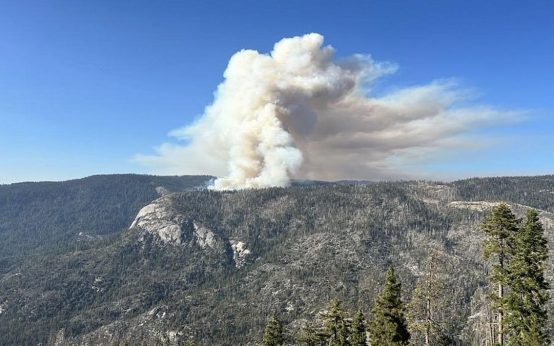 Two Pilots Killed in Helicopter Crash Fighting Yosemite Park Wildfire
  Alarming TSA Discovery: Hidden Object Found in Flashlight