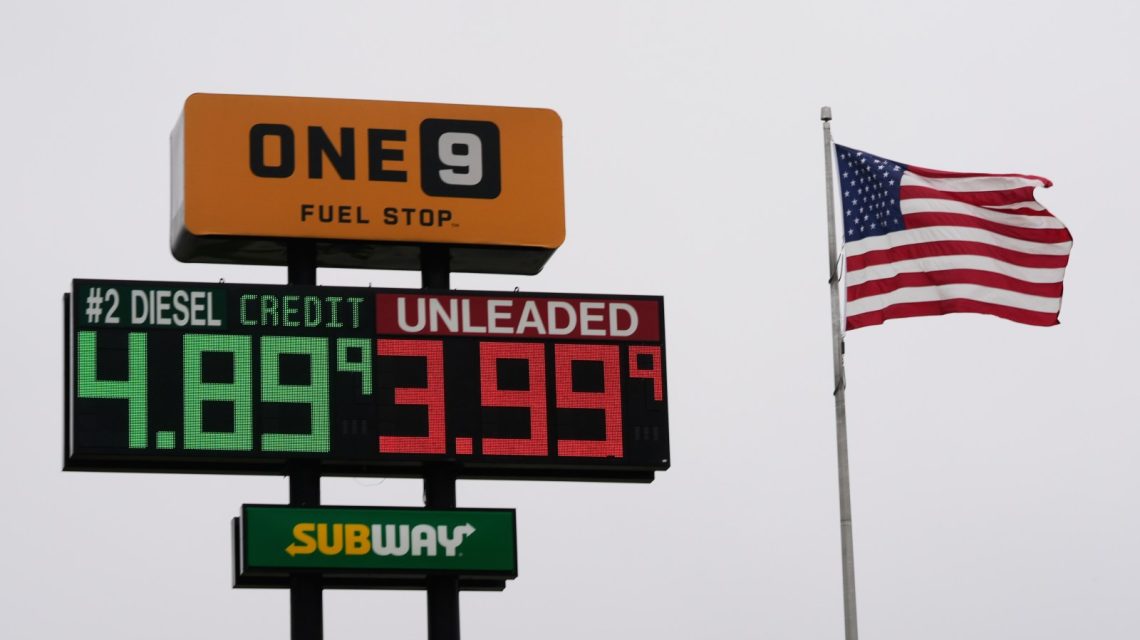
The announcement of a truce between Washington and Tehran brings hope for an end to the prolonged conflict in Iran. This optimism is shared by global energy markets and world leaders, though experts caution that it may take several months before oil flows stabilize and gas prices return to pre-conflict levels.
The agreement, revealed on Sunday, follows over three months of hostilities that have ravaged Iranian infrastructure and disrupted energy facilities across the region. It also resulted in a blockade of the Strait of Hormuz, which the International Energy Agency (IEA) termed the worst energy crisis in history.
Both nations view the truce as a triumph, with Pakistan, acting as a mediator, scheduling the official signing of the agreement for June 19 in Switzerland. President Donald Trump has expressed optimism through posts on Truth Social, anticipating the reopening of the Strait of Hormuz and restoration of normal energy flows.
“Ships of the World, start your engines,” President Trump declared. “Let the oil flow!”
Current Status of the Strait of Hormuz
Despite announcements, vessels are not yet freely navigating the Strait, a key channel for global oil transport. Shipping traffic monitors report continued restrictions. President Trump indicated that toll-free passage through the Strait would commence upon the deal’s signing, which aims to facilitate mine removal.
Iran’s Deputy Foreign Minister Kazem Gharibabadi stated that the U.S. naval blockade would be “immediately and completely ended” following the agreement’s enactment.
Concerns About Truce Durability
Amidst optimism, skepticism persists regarding the truce’s stability. Previous ceasefires faced alleged violations, and President Trump repeatedly anticipated the war’s conclusion. Political scientist Robert Pape criticized the deal, describing it as a “Memorandum of Disagreement” due to unresolved issues like Iran’s frozen assets and Israel’s military actions.
Pape suggested Iran might exploit its position by closing the Strait again and leveraging the situation. Jorge León, an energy economist from Rystad Energy, highlighted the importance of maintaining the truce and questioned the potential increase in Iran’s leverage, especially given the threat to the Strait of Hormuz.
Gas Prices and Oil Market Impact
The oil market reacted to the truce announcement, with West Texas Intermediate crude prices dropping below $80 per barrel. Daniela Hathorn, a senior market analyst at Capital.com, noted the immediate effect on oil prices, driven by expectations of the Strait’s openness and reduced risk of supply disruption.
President Trump has repeatedly assured that gas prices will quickly fall post-conflict, likening this decrease to rocks dropping. Nonetheless, analysts anticipate that geopolitical uncertainties, regional infrastructure damage, and the “rocket and feather” effect will delay relief at the pump. Carole Nakhle, CEO of Crystol Energy, emphasized that normalizing oil flows depends on the prompt reopening of shipping routes rather than infrastructure damage.
If risk premiums decrease, consumers might see lower prices soon, although pre-conflict levels are not guaranteed. Willy C. Shih from Harvard Business School predicted challenges in restoring infrastructure, particularly Qatar’s LNG facilities, requiring years to fix.
The U.S. Energy Information Administration (EIA) analyzed potential fuel cost trends contingent on the peace deal. Assuming the Strait reopens in Q3 2026, they estimate oil traffic normalization could take months, with prolonged production disruptions. Under these circumstances, gas prices may remain high beyond the EIA forecast’s scope, ending in 2027.
Mine removal operations, rebuilding shipowner confidence, and resolving logistical delays will likely impede energy cost reductions. León anticipates that oil flows through the Strait of Hormuz may not reach pre-war levels until late in the year, conditional on the ceasefire’s stability.
U.S. gasoline prices should gradually ease as crude prices fall and oil flows stabilize, but a return to pre-war levels largely hinges on diminishing security risk premiums, potentially extending beyond six months.
 U.S. Military Expansion in Greenland
  The Autocratic Age: A Closer Look
  Venezuelan Migrant Arrest in Texas Sparks Outrage
  Senator Calls for Halt in Diesel Exports Amid Rising Fuel Costs
  Investigation into Far-Left Groups Organizing Protests
  Deadly Dispute Over Beach Chairs in Greece