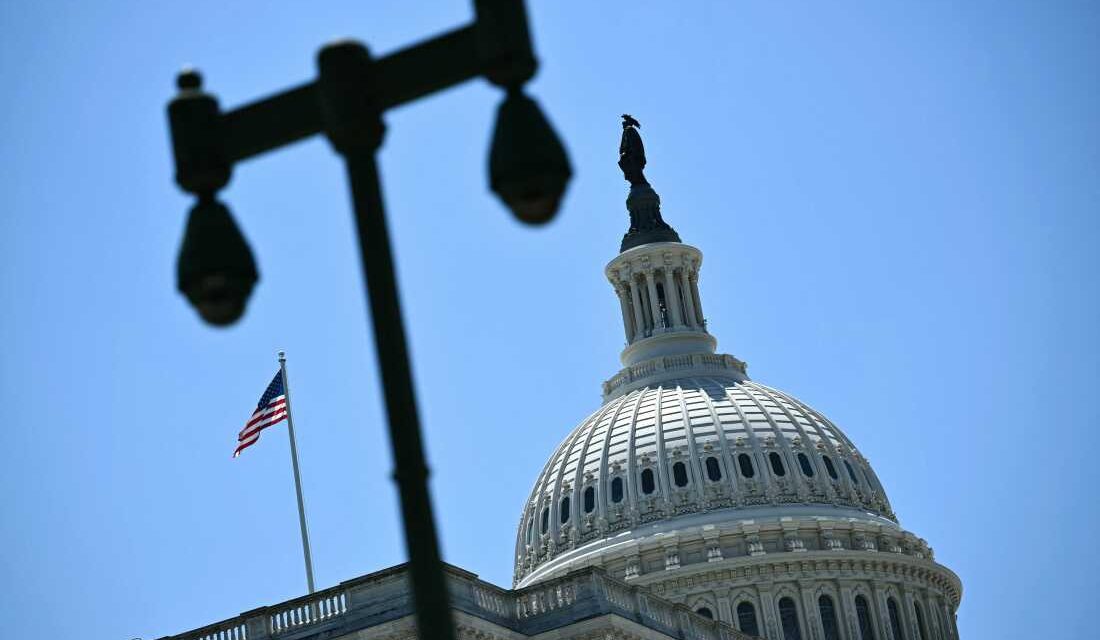
On June 4, 2026, the U.S. Capitol dome stood under a clear sky, but inside, efforts to renew a critical surveillance tool in Congress faltered. As the House took a recess, the future of Section 702 of the Foreign Intelligence Surveillance Act hung in the balance. This provision allows U.S. intelligence to collect electronic communications of numerous foreigners outside the country. Authorities state that over 60% of the president’s daily intelligence relies on this tool.
What Happens If It Expires?
Collection under Section 702 is annually authorized by a federal court. Even if the law lapses, existing authorizations remain valid until the next court decision. Service providers must keep providing data, but lawmakers fear these companies may challenge the law in court. Such challenges could halt data provision temporarily, posing risks during significant events. Glenn Gerstell, former NSA general counsel, notes that although the lapse isn’t disastrous, avoiding risk is preferable.
Privacy advocate Elizabeth Goitein clarifies that companies must comply and risk $250,000 daily fines for non-compliance. Challenges are resolved fast, given court precedents. While she sees limited security risks, she advocates for privacy reforms.
Why Is Congress Letting the Law Expire?
Section 702 sparks controversy with each renewal. Bipartisan members seek reforms to boost privacy. Foreign intelligence collection unintentionally captures Americans’ data, which agencies access without probable cause. Calls for change include requiring warrants before accessing American data. The reform fight caused several short-term extensions this year.
Movement towards a three-year extension with reforms was apparent, but stalled after Trump’s nomination of Bill Pulte as acting DNI. Concerns about potential misuse of intelligence swayed opinion. Democrats and some Republicans opposed reauthorization under Pulte’s nomination.
The Fallout
Reactions were strong. Democrats called Pulte unfit, fearing he would misuse intelligence. Key Republican leaders shared similar concerns. Despite failed attempts to extend Section 702, Congress adjourned. The Senate returns the next week, but the House not until June 22.
Trump later nominated Jay Clayton as permanent DNI. Yet, he hinted Pulte might serve temporarily, with no clear timeline advised.
 Controversy Surrounding Nidal Hasan’s Execution Livestream
  Debate Over Livestreaming Execution of Fort Hood Shooter
  Controversy Surrounds Pennsylvania’s 10th Congressional Race
  Pope Leo XIV Labels Death Penalty an Assault on Human Dignity
  Advocating for Clean Slate Act to Remove Employment Barriers
  EPA Contract Cancellation Sparks Legal Battle