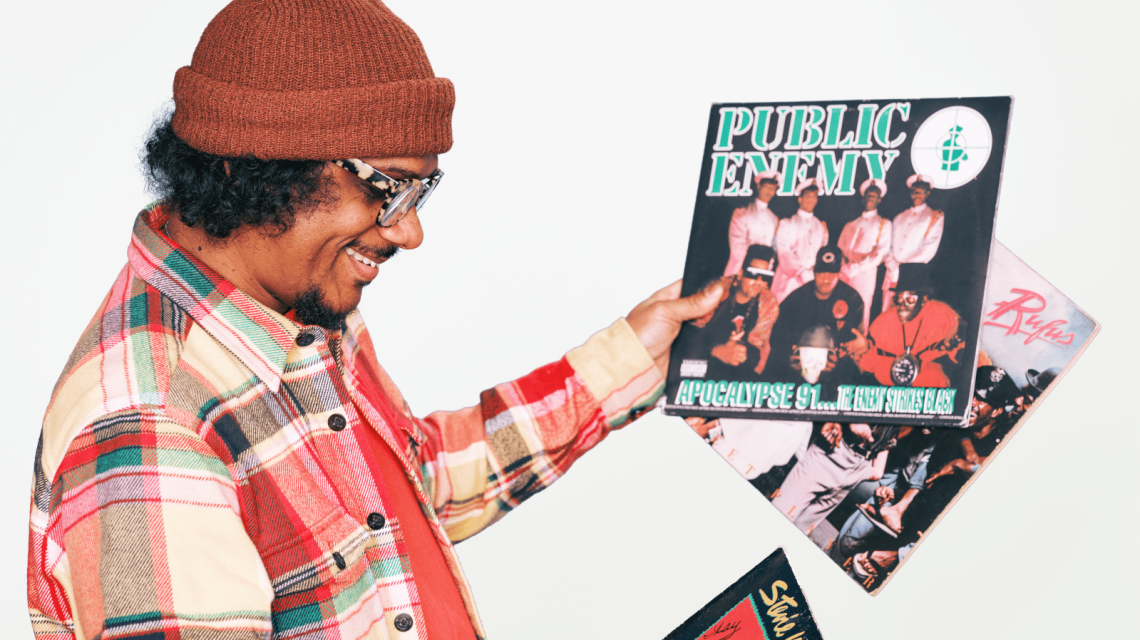
For those who grew up navigating message boards, reading liner notes as sacred text, and exploring internet rabbit holes for deeper stories, Donwill resonates with these impulses intuitively. As a rapper from Tanya Morgan, he has translated this instinct into The Almanac of Rap, a podcast presented by Okayplayer that has received two Webby Awards. The show approaches hip-hop history as a living, layered subject worth examining from all angles. Donwill, in conversation, emerges as a dedicated archivist, intent on restoring the context lost to digital culture. He states, “I’m always looking for the story behind the story,” encapsulating the broader mission of the podcast.
Donwill describes hip-hop as omnipresent, woven into daily life from his early years. He engaged with it by transcribing radio lyrics, collecting magazines, and tracking release dates. The introduction of sites like Okayplayer and its message boards intensified his curiosity. “You could really go down a rabbit hole,” he remarks. “You’d read one thing, and that would lead you to something else.” For Donwill, this period helped shape online rap discourse at its best: expansive, communal, and detail-obsessed.
Building Blocks From the Blog Era
A clear theme in his discussion is the contrast between that era and today’s internet. The old web, as Donwill tells it, rewarded curiosity. “The headline wasn’t the whole story,” he explains. “You’d click the article, then you’d find the writer, then you’d find three more things.” The blog era, despite its chaos and gatekeeping, encouraged deeper exploration. Now, he argues, many stop at the surface. This erosion of depth gives The Almanac of Rap its purpose.
Podcasting feels like a natural extension of how Donwill has always engaged with culture. He has experimented with audio in various forms since the late 2000s, before podcasting gained industry prominence. What started as mixes and informal recordings evolved into interviews, essays, and fully developed episodes. He views conversation as an art form and values audio for its ability to integrate with people’s lives. “You can listen while you’re doing anything,” he notes. “Walking, driving, working. Audio lets people stay with it differently.” This commitment remains central, even as more shows shift to visual presentation.
Keeper of the Lore
On The Almanac of Rap, Donwill prepares thoroughly but remains interested in details beyond the main story. “I want to know what was happening around it,” he says. “What shirt did you have on? What was the room like? What else was going on?” The goal is to grasp how careers, scenes, and movements felt in real time. “That stuff matters,” he insists. He views this responsibility as significant, especially as archives fade, links break, and music journalism becomes more precarious. In such a climate, preserving well-told conversations becomes an act of cultural stewardship.
His perspective becomes compelling when he discusses newer artists. As someone who came up during the blog era with Tanya Morgan, he recalls a time when independent rappers aimed to draw listeners onto the internet for songs, videos, or reviews. Now, he notes, many artists aim to convert online attention into tangible outcomes, like ticket sales and community engagement. “Back then, we were trying to get people online,” he says. “Now people try to get them off the phone and into a room.” This shift redefines the questions worth asking and shapes how he views success for artists today. “That’s a completely different challenge,” he comments.
The Almanac and the Archive
This philosophy underpins the structure of the podcast. The Almanac of Rap poses big questions about the genre, pairs them with interviews, and uses recurring segments like “The Ballistics” and “The Big Playback” to bring overlooked songs, ideas, and discussions back into focus. Since collaborating with Okayplayer, the podcast’s reach has expanded while retaining its depth. It earned a Webby for Best Music Podcast in 2023 and another for Experimental Innovation in 2025. Donwill’s consistent premise is clear: “Rap is too deep for us to keep talking about it on the surface.”
If the blog era trained a generation of rap fans to seek context, Donwill has found a way to maintain that curiosity in a medium suited for patience. He continues to ask questions that reward attentive listening, exploring beyond the obvious answers, and treating hip-hop as a living archive rich in depth and texture. “I still believe people want the deeper story,” he asserts. In an attention economy driven by speed, The Almanac of Rap insists on depth, preserving an older internet ideal where curiosity mattered, memory had texture, and the best stories began beyond the headline.
 The Changing Landscape of Fantasy: Balancing Storytelling and Modern Content
  Ashley Dupré Reflects on Past Controversies
  Ed Sheeran Addresses Fans Amid Controversy Over Macklemore Exit
 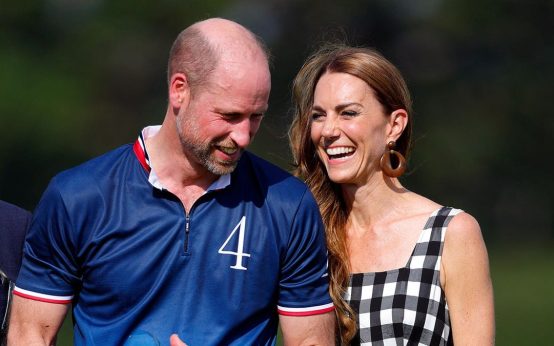 Kate Middleton’s Influence on the Monarchy and Her Relationship with Prince William
 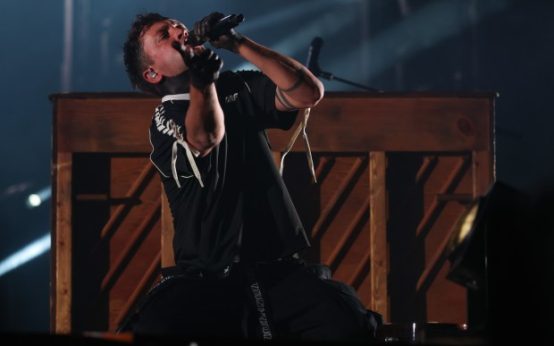 Riot Fest 2026: Highlights from Douglass Park
 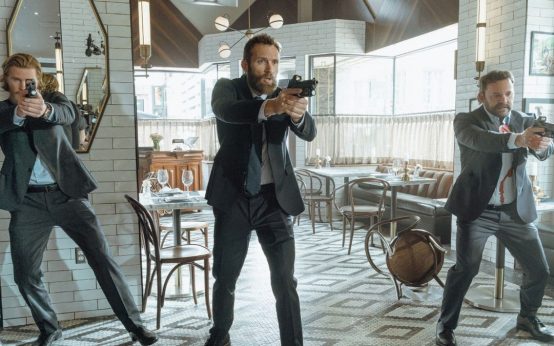 Unexpected Twists in the Third Season of ‘Lioness’