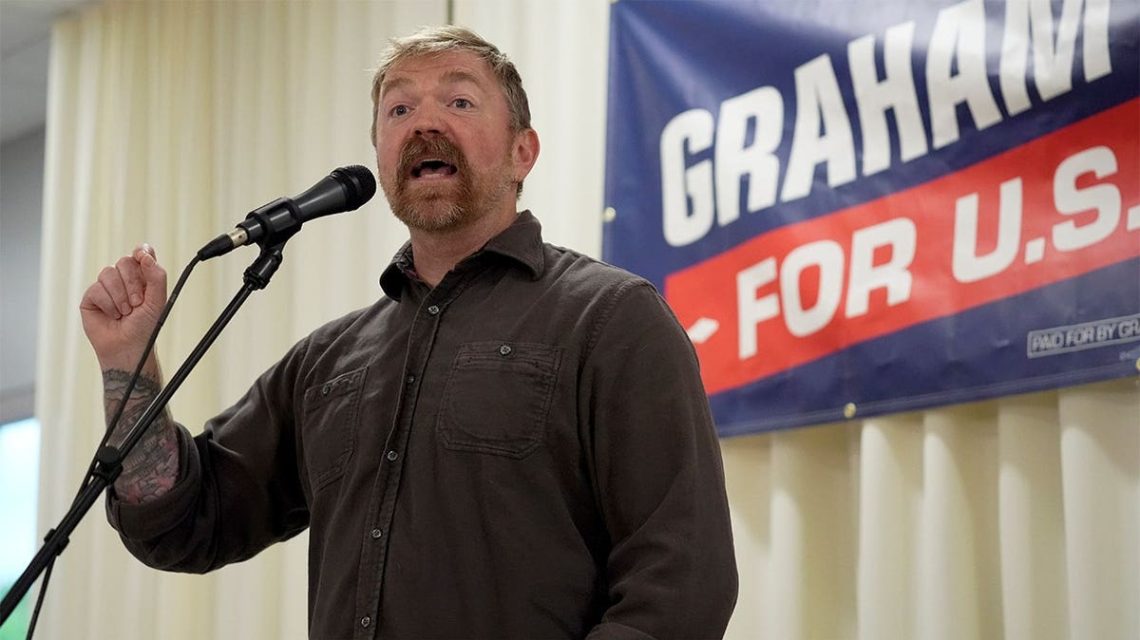
Graham Platner has won the Democratic Party’s Senate nomination facing numerous challenges. The military combat veteran and oyster farmer, supported by progressive figures like Senators Bernie Sanders and Elizabeth Warren, and Representative Ro Khanna, defeated two rivals in Maine’s Democratic Senate primary. Platner will now face off against moderate Republican Senator Susan Collins, who ran unopposed in the GOP primary.
Platner promotes an economically populist agenda, emphasizing the concerns of the working class and challenging corporate influences. During the primary, Platner surpassed Governor Janet Mills, who had withdrawn from the race after lagging behind in fundraising and polling. Despite controversies, Platner remains focused on his campaign, telling supporters, “We’re going to win in November and we’re going to take power back for the people in this country.”
In recent months, Platner has faced various controversies, including inflammatory comments on Reddit and issues surrounding a tattoo resembling a Nazi symbol, which he has since covered up. Additionally, there have been allegations regarding sexually explicit messages with women and claims of past inappropriate behavior. Platner has denied recent allegations of violence.
Platner stated, “Maine had my back,” as he addressed past controversies and expressed gratitude for voter support.
Khanna emphasized accountability and redemption, acknowledging Platner’s past challenges with PTSD from military service. Maine voters appear divided on Platner’s suitability, with some expressing concern over his controversies while others remain supportive of his ability to do a good job.
Senator Susan Collins, who has not faced significant primary opposition, acknowledged concerns over the allegations against Platner. Meanwhile, Republican groups continue to attack Platner’s character and background, highlighting perceived inconsistencies in his personal narrative.
Despite campaign attacks, Democratic leaders have not withdrawn support for Platner. They view the race in Maine as a key opportunity to regain a Senate majority, recognizing the challenge of unseating Collins, who has a record of defying electoral odds. Six years ago, despite unfavorable polls, Collins was re-elected by a nine-point margin and she continues to pose a formidable challenge in her bid for another term.
 Gen Z Voters and Their Impact on the 2026 Midterm Elections
 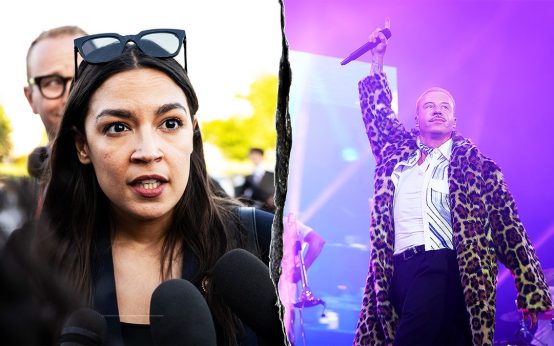 Rep. Alexandria Ocasio-Cortez Defends Macklemore Amid Tour Controversy
  Influence Concerns Surround California Political Donors
  Michigan Senate Race Sees Influences from Soros-Linked Funding
  Trump Seeks Diplomatic Success at the U.N. Amid Challenges
  North Carolina Senate Race Influenced by Abortion Policy Messaging