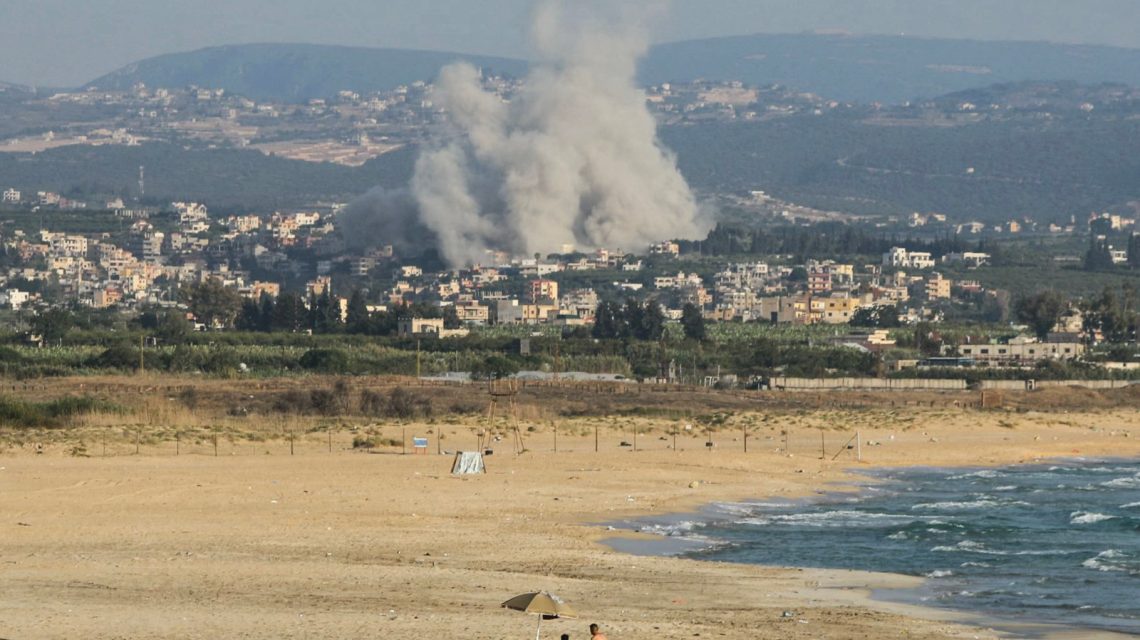
Israeli airstrikes in Tyre, a city in southern Lebanon, resulted in at least three fatalities on Tuesday. This development casts doubts on President Donald Trump’s assertions of an imminent resolution to the Iran conflict. The escalation comes shortly after a brief exchange of fire between Iran and Israel, which had paused hostilities following Trump’s call for an immediate ceasefire.
The airstrikes indicate a potential for further conflict despite Trump’s hints at a possible agreement between Washington and Tehran. Lebanon became involved when Hezbollah fired rockets at Israel on March 2, supporting Tehran after previous U.S.-Israeli strikes. Displacement in Lebanon has exceeded a million as Israeli actions target Hezbollah, significantly impacting local communities.
Iran demands cessation of Israeli attacks in Lebanon for peace to be attainable. Social media captured plumes of smoke over Tyre following the strikes. Lebanese media reported at least three deaths, with unverified claims by southern Lebanon’s civil defense suggesting eight fatalities.
The Israel Defense Forces (IDF) issued evacuation orders in Tyre for residents, including those in the Christian quarter, advising relocation north of the Zahrani river. According to the IDF, Hezbollah’s actions have breached a ceasefire and threaten “Israel’s home front.”
Fears of a prolonged Israeli presence, similar to one ending in 2000, have resurfaced. This attack on Lebanon proceeds despite Trump’s directive to Israeli Prime Minister Benjamin Netanyahu to cease hostilities. Trump expressed his frustration, emphasizing the need for “common sense” amid rising tensions.
Continuing strikes, despite U.S. requests, complicate Trump’s optimistic views on securing a strategic deal. Trump assured the BBC of being on the verge of a significant agreement, indicating that when he instructs Netanyahu, the latter complies. Meanwhile, Tehran cautions that American bases and Israel remain “legitimate targets” if hostilities resume.
Vice President JD Vance voiced confidence in U.S. positioning to meet Trump’s goals in Iranian negotiations, yet Tehran shows skepticism. Iranian lawmaker Ali Haddad declared that concessions could result under duress, asserting that U.S.-Iran negotiations reflect ongoing conflict dynamics.
Iranian parliament spokesperson Ebrahim Rezaei emphasized Lebanon’s significance, asserting Tehran’s enduring support for the “resistance front.”
 Hong Kong’s Financial Resilience Amid Political Changes
 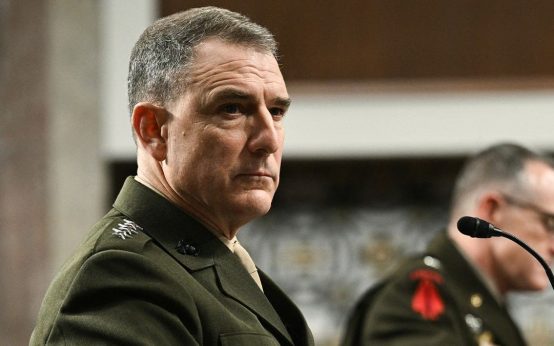 U.S. Army Expands Operations in Latin America
 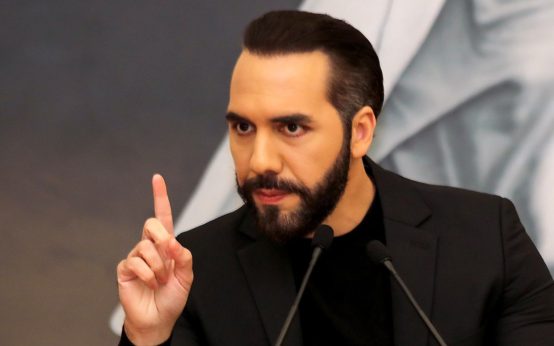 Salvadoran President Neyib Bukele Plans Conditional Release from Overcrowded Prisons
 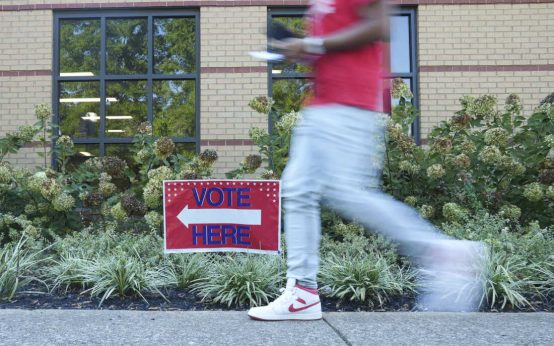 Voters Express Frustration with Trump Ahead of Midterms
  Livestreamed Execution Sparks Debate on Religious and Ethical Grounds
 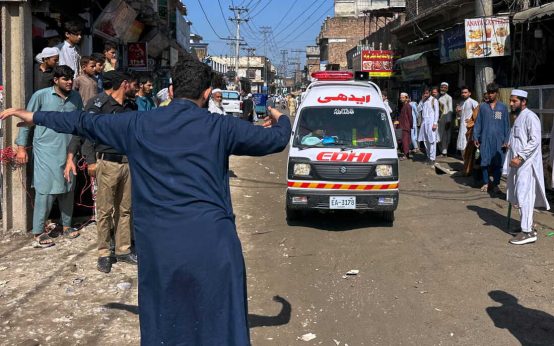 Tragic School Roof Collapse in Pakistan Kills 28 Children