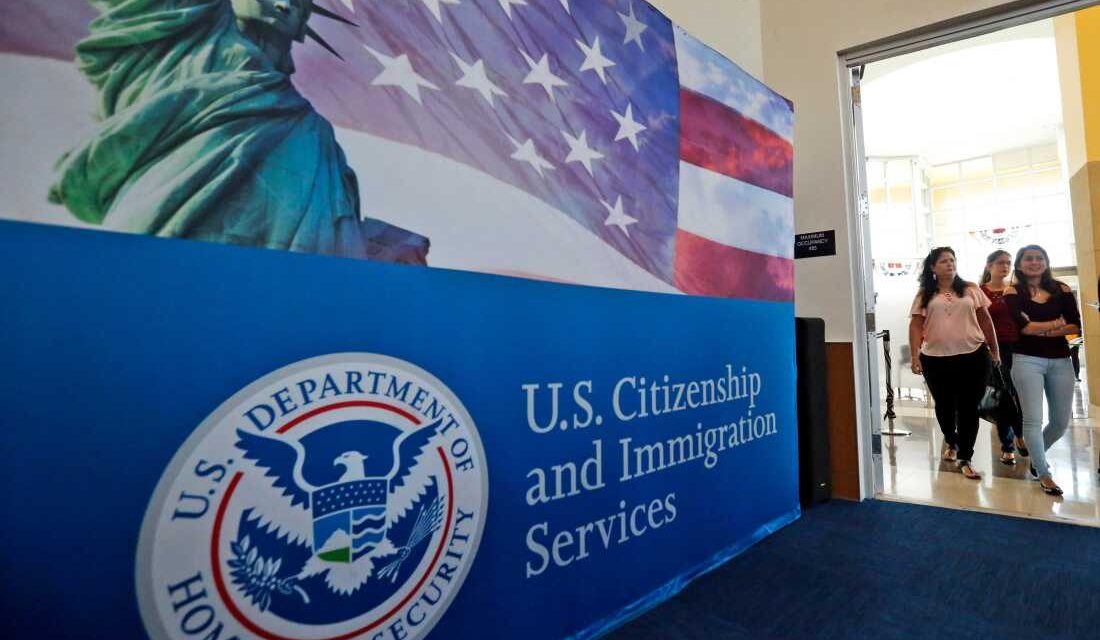
A federal judge in Boston has overturned the Trump administration’s decision to impose a $100,000 fee on new H-1B visas. This decision contradicts a previous ruling that upheld the fee hike.
The administration initially introduced the hefty fee as a deterrent to foreign workers competing with American job seekers. However, U.S. District Court Judge Leo Sorokin sided with 20 states and declared the policy unlawful. He concluded that the executive branch exceeded its authority and violated the Administrative Procedure Act.
The Court finds that the Policy imposes a tax on H-1B petitions without the requisite delegation by Congress.
H-1B visas cater to high-skilled positions for which American workers are often unavailable. Technology companies are significant beneficiaries of these visas, with most approvals going to Indian workers. The states contended that filling vacancies for essential roles such as doctors and teachers was already challenging before the fee increase.
Previously, H-1B visa applications cost several thousand dollars. The fee hike caused widespread concern among employers, students, and workers, leading to numerous lawsuits, including one in Boston.
The U.S. Chamber of Commerce filed a similar lawsuit in Washington, D.C., challenging the fee increase. A denial of a summary judgment against the fee hike keeps the higher fee in place until its scheduled expiration in September 2026. However, the recent ruling in Boston counters this, issuing a summary judgment to the opposite effect.
Additionally, a lawsuit was filed in San Francisco by religious and labor organizations, presenting the potential for diverse rulings across different appellate court circuits.
During the Boston case, states underscored the policy’s impact on hiring educators and medical professionals. Massachusetts Attorney General Andrea Joy Campbell emphasized that the ruling safeguards the H-1B visa program’s integrity, citing its role in addressing labor shortages in crucial industries like education and healthcare.
American Medical Association President Bobby Mukkamala hailed the ruling as a win for patients. He stressed the need to eliminate obstacles to attracting skilled professionals, particularly in underserved and rural areas.
A statement from the Department of Homeland Security expressed disagreement with the judge’s ruling. It criticized what it termed as “blatant judicial activism” and supported President Trump’s immigration reform efforts. The statement highlighted concerns over foreign workers taking American jobs and affecting the national identity.
White House spokesperson Taylor Rogers expressed confidence that the court order would be overturned on appeal.
 Mayor Mamdani and President Trump Discuss Major Housing Project in NYC
 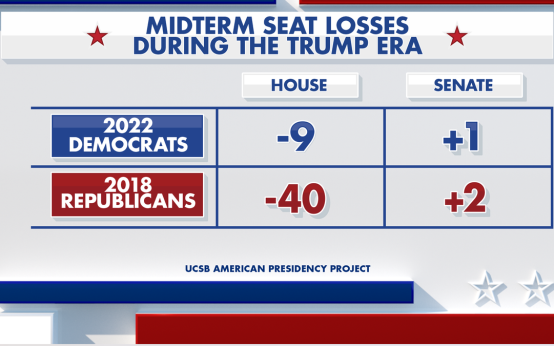 Poll Reveals MAGA’s Increasing Popularity Over DSA as Democrats’ Future Debated
  North Korea’s Hypersonic Weapon Test Amid Global Tensions
 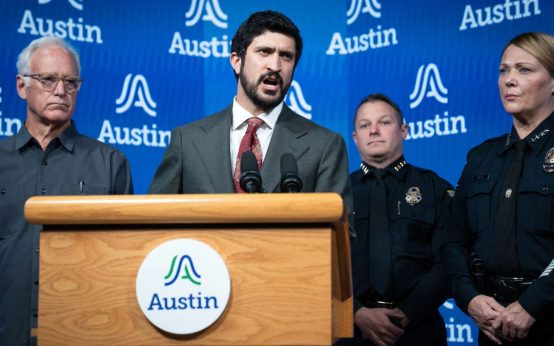 Debate Over ICE Action in Austin Escalates
  President Trump Warns of Escalating War with Iran at UN Assembly
  Tariffs and Their Impact on Everyday Products