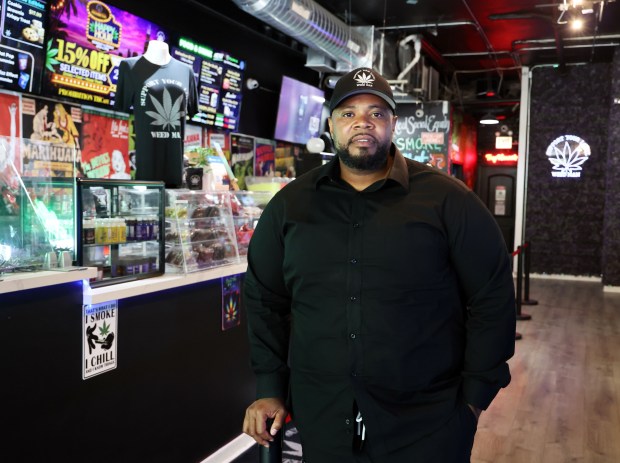
After hemp was legalized at the federal level in 2018, Samuel Wilson co-founded Prohibition THCafe, selling hemp-derived THC-infused edibles and beverages on the Near South Side. The cafe recently partnered with Harold’s Chicken for the 420 cannabis holiday, selling infused wings that drew long customer lines. However, Wilson faces potential business closure due to a proposed Illinois law and a new federal law targeting sales of intoxicating hemp.
The Illinois measure, awaiting Governor JB Pritzker’s signature, aims to eliminate unregulated shops selling untested hemp products to minors. This legislation could also close Wilson’s business, though he claims to sell only tested products to adults over 21. Wilson expressed his frustration, saying, “I was that innovator chasing the American Dream… it’s a hijacking of small operators and handing it over to corporate cannabis.”
Licensed cannabis businesses view the bill as necessary. They argue that unregulated hemp sellers undercut their sales without adhering to the same security standards, such as product testing and labeling. Industry operators pushed for this legislation as an essential update since recreational cannabis sales began in Illinois in 2020.
The proposed Illinois ban would be broader than a similar federal law prohibiting hemp sales exceeding 0.4 milligrams of THC, the psychoactive component. Both measures are set to take effect in November. Wilson hopes for amendments to the federal law allowing hemp sales to continue. However, the Illinois law would end unlicensed hemp sales regardless.
In Illinois, small hemp businesses have gained a significant foothold. According to a Whitney Economics survey, over 1,000 hemp retailers and more than 500 wholesalers and processors contributed approximately $870 million in sales in 2025, employing around 13,000 workers. The proposed “omnibus” bill would also bring significant changes to the state’s licensed cannabis industry, dominated by multistate corporations.
One major change is increasing the legal possession limits for Illinois residents to 60 grams of flower, 1,000 milligrams in edibles, and 10 grams of concentrate. Out-of-state visitors may possess half those amounts. Additionally, dispensaries may extend operating hours until 2 a.m. unless other hours are set by local communities.
The bill would allow all licensed dispensaries to sell medical cannabis, which is not subject to the same high retail taxes as recreational weed. Previously, only select dispensaries could sell tax-exempt medical products, often necessitating long-distance travel for some purchases. This change could benefit new dispensaries, providing them with more tax advantages following federal rescheduling easing medical marijuana restrictions.
Other provisions include drive-thru service and allowing cannabis in cars if it remains in original sealed packaging. Tiffany Ingram, executive director of the Cannabis Business Association of Illinois, which includes most licensed growers and sellers, praised the legislation. She stated, “(Senate bill) 3222 accomplishes both, making it one of the most consequential cannabis bills since legalization.”
Hemp business owners can apply for up to 145 new licenses to infuse products like beverages and edibles with THC. State Sen. Kimberly Lightford of Maywood supported such hemp restrictions for years. She remarked, “Together, these changes formalize the hemp market, modernize cannabis operations and lower barriers for both patients and smaller operators.”
If signed into law, the bill would immediately prohibit sales of intoxicating hemp to anyone under 21 and ban deceptive or child-focused marketing, according to state Rep. Will Guzzardi, a Chicago Democrat and bill co-sponsor. It also eliminates the expensive requirement for dispensaries to hire external security contractors, allowing in-house security instead. Enforcement would largely depend on state regulators and local police, given federal agencies’ limited capacity to enforce the hemp ban nationally.
 Greenland’s Deal and Sovereignty Concerns
 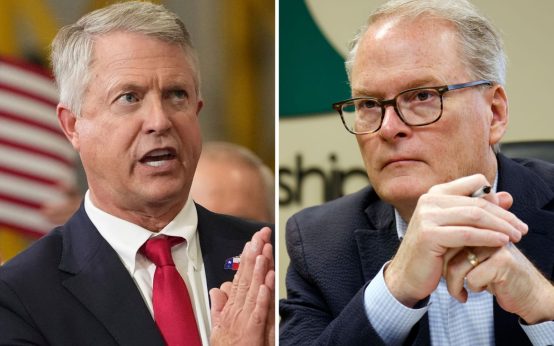 Kansas Senate Race: Competitive Dynamics and Key Figures
 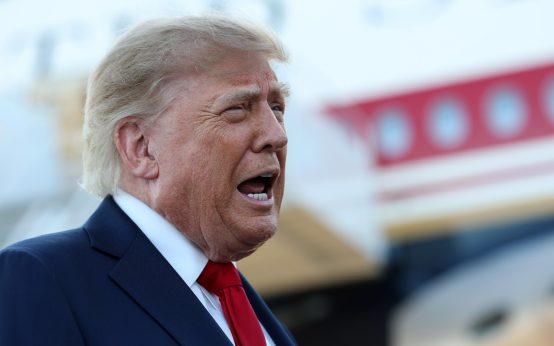 Republicans Face Challenges Leading Up to Midterm Elections
 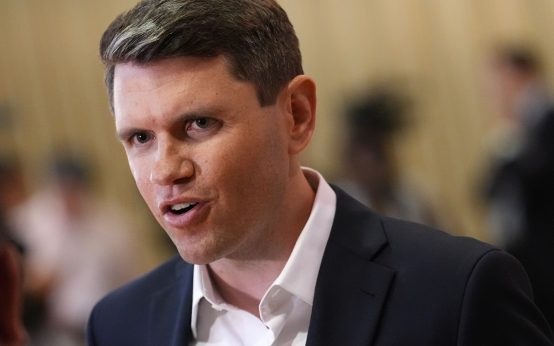 Ken Paxton Accuses James Talarico of Corrupt Practices in Texas Senate Race
  Democratic Leadership: A Potential Shift Toward Governors
  Trump Criticizes Supreme Court Decisions on Tariffs and Citizenship