Jerry Demings Ends Campaign Due to Health Concerns
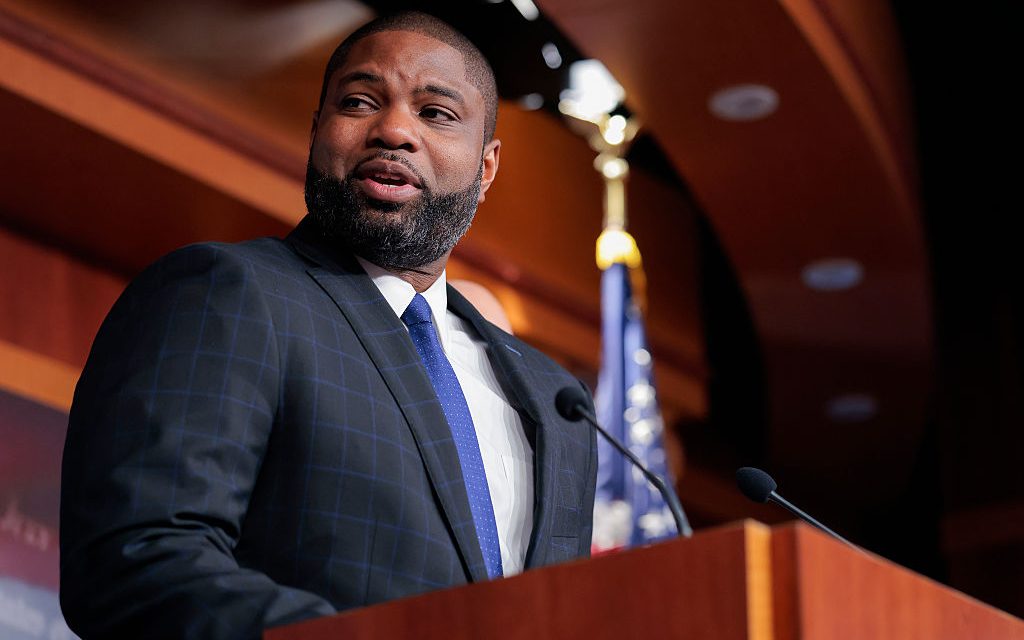
Orange County Mayor Jerry Demings has announced the end of his campaign for Florida governor, revealing he is undergoing treatment for prostate cancer. Demings had been one of two Democrats polling competitively against the likely Republican nominee, Byron Donalds. His decision alters the landscape of the Democratic contenders, leaving former Congressman David Jolly as the leading candidate, impacting undecided voters and party strategies.
During his final State of the County address, Demings shared his diagnosis, stating he would focus on his health and suspend his campaign. According to local station WKMG, Demings expressed his intention to complete his term as Orange County mayor, set to end in November. His withdrawal removes a notable figure from Central Florida, affecting a race predicted to be more competitive than past statewide elections in Florida.
Polling Evaluation: Demings Versus Jolly
Two independent polls conducted this spring show that Demings performed slightly better than Jolly against Donalds in hypothetical scenarios. The Stetson University survey indicated Donalds leading Demings 46% to 42%, and Jolly 47% to 40%. Similarly, Echelon Insights found that while trailing, both Democrats kept the race within single digits. Though not definitive, these polling results demonstrate that Demings’ appeal resonated with some undecided voters who could sway the election in November.
Impact of Demings’ Exit on the Democratic Field
With Demings stepping down, David Jolly remains the most prominent Democratic candidate. Jolly, once a Republican congressman from Pinellas County, surpasses Demings in fundraising but faces a significant financial gap compared to Donalds, who has raised over $67 million, including more than $22 million recently. Jolly’s campaign has garnered about $5 million, while Demings accumulated around $660,000 before withdrawing.
Demings’ absence deprives the Democratic Party of a candidate with robust connections in Central Florida and a history of public service, including roles as Orlando police chief, Orange County sheriff, and two-term mayor. His candidacy managed to keep polls closer in a state that traditionally leans Republican in statewide elections.
Continued Competitive Nature of the Florida Governor Race
Florida’s political climate tends to benefit Republicans, yet both Stetson and Echelon polls display dynamics that might maintain competitive tension. Partisan loyalty is strong, with over 85% of voters supporting their party’s nominee in each poll. However, a significant portion of independents remain undecided, especially concerning the governor’s race, and historically, these voters have lower turnout rates.
Economic issues are pivotal among voter concerns in Florida. Nearly four in ten voters identify cost of living and inflation as the foremost concern, overshadowing topics like immigration, education, or abortion. As Kelly Smith, a political science associate professor at Stetson University, remarked, economic challenges facing voters cut across party lines.
Consequences of Demings’ Withdrawal
Demings’ departure influences various groups. Democrats must reassess strategies and messaging, particularly in Central Florida, where Demings was well-known. For undecided independents, the race now presents modified options. For Donalds, Demings’ absence removes a slightly better-polling challenger, although both Democrats were close to single-digit margins.
While Republicans still hold structural advantages, Democrats are not far behind, and Demings’ exit introduces fresh uncertainties in an already unexpected contest months before Election Day.
 Trump Seeks Diplomatic Success at the U.N. Amid Challenges
  North Carolina Senate Race Influenced by Abortion Policy Messaging
  Trump Pressures Republicans on Filibuster Threat
  Rep. Golden Endorses Rep. Lawler for Re-election
  Public Perception and Political Impact of Data Centers
  Jewish Democrats in Michigan Shift Support to GOP Candidate in Senate Race