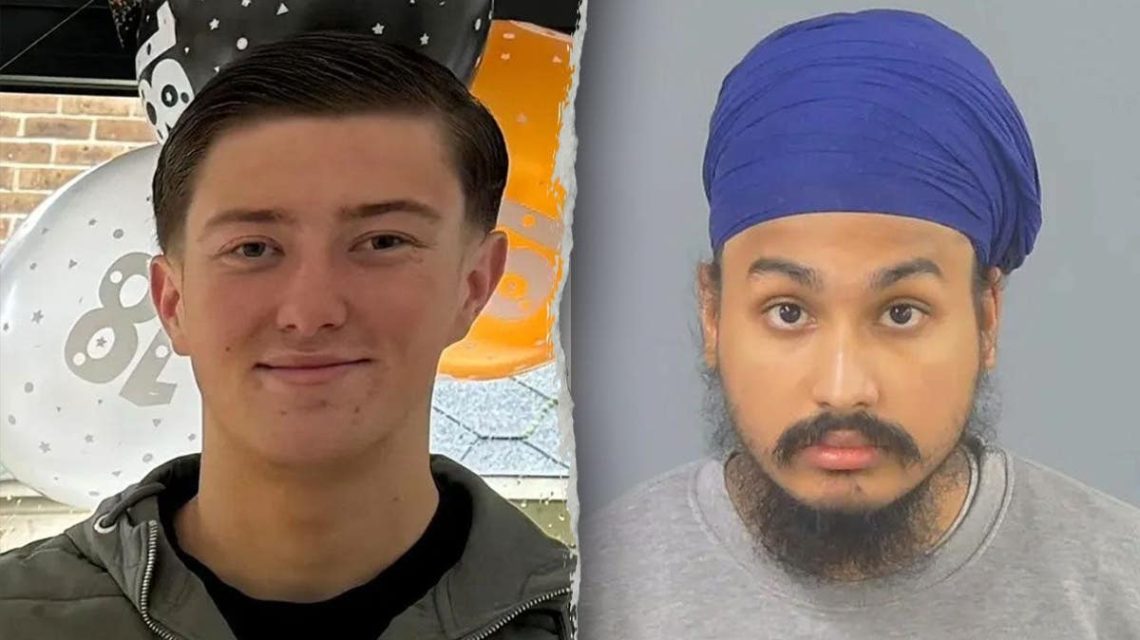
The tragic stabbing of Henry Nowak in Southampton, England, has ignited significant public outcry. Senior foreign affairs correspondent Greg Palkot reports that this incident has spurred protests and discussions on perceived policing biases in the United Kingdom.
Background of the Incident
Henry Nowak, an 18-year-old college student, was fatally stabbed in December by Vikram Digwa using an eight-inch ceremonial knife. Digwa has been found guilty of murder. Comparisons are being drawn between Nowak’s case and other high-profile tragedies, such as those of Trayvon Martin and George Floyd in the United States, focusing on societal reactions and media coverage.
Policing and Racial Bias Concerns
Allegations have arisen regarding the British police’s response to the crime scene. Conservative Party member Chris Philp criticized officers for focusing more on avoiding accusations of racism than assisting Nowak, who was pleading for help. This incident underscores growing concerns about so-called “woke” bias in British policing.
Demographic and Cultural Shifts
The UK has experienced substantial demographic shifts over recent years. This has led to rapid cultural changes, and challenges surrounding national identity and social cohesion. Concerns about policing bias arise amidst these broader social changes, reflecting tensions within British society.
Challenges to Free Speech
The United Kingdom has seen a rise in arrests related to offensive online messages. In 2023, over 12,000 arrests were reported. At Speakers’ Corner in London’s Hyde Park, expressing controversial views can lead to severe repercussions.
Political Criticism and Two-Tier Policing
Critics accuse current Prime Minister Keir Starmer of exhibiting double standards. They claim that harsher penalties are given to right-wing speech while more lenient approaches are taken with leftist expressions. Nigel Farage, leader of the Reform Party, has labeled Starmer as “Two-Tier Keir” because of these alleged disparities in treatment.
This controversy continues amidst accusations of “two-tier” policing, where indigenous British citizens are perceived to face stricter enforcement compared to immigrants or leftist groups. Observers note these issues point to broader societal divisions and the need for addressing perceived injustice within law enforcement.