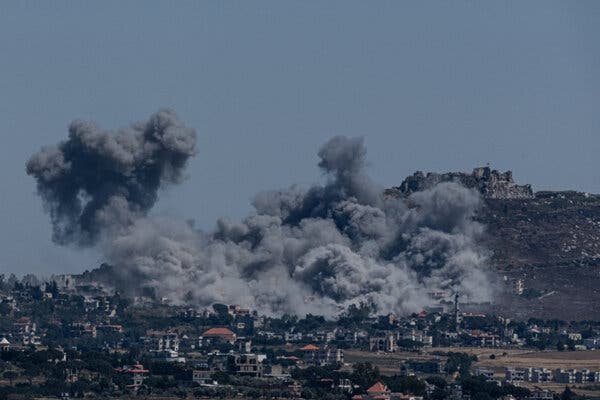
The latest cease-fire agreement in Lebanon, brokered by the U.S., faces immediate challenges as Israeli airstrikes and Hezbollah rocket attacks continue despite diplomatic efforts. The cease-fire, contingent upon Hezbollah halting its aggression, was swiftly undermined by the group’s leader, Naim Qassem, rejecting the terms.
Hezbollah, backed by Iran, is required to withdraw from the Lebanese region bordering Israel and cease attacks. However, Israel has not been obliged to offer immediate concessions, and Hezbollah remains uninvolved in the negotiation process, rendering Lebanon’s government with minimal influence over the group’s compliance.
Mr. Qassem criticized the agreement, which he claims demands Hezbollah’s surrender while Israel persists in its military operations. He stated any cease-fire must end Israel’s military actions and withdrawal from Lebanese territories it occupied since March.
Hezbollah initiated rocket and drone strikes against Israeli troops in the border area on Thursday, and Israel continued airstrikes across southern Lebanon. The ongoing military actions highlight the ineffectiveness of the cease-fire to alter military strategies or improve civilian conditions.
 Google Fined for Breaching EU Privacy Rules
  South China Sea Tensions Rise after Collision between Chinese and Philippine Ships
  North Korea’s Hypersonic Weapon Test Amid Global Tensions
  Austin Tice: A Search for Answers
 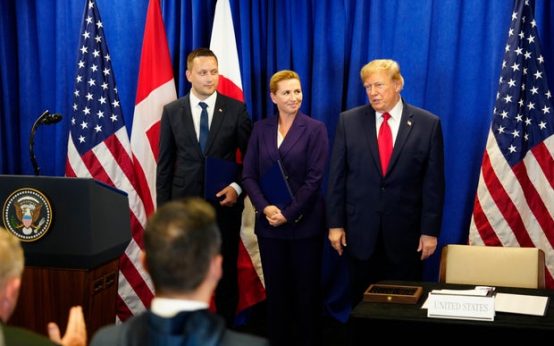 U.S., Denmark, and Greenland Forge New Security Agreement
 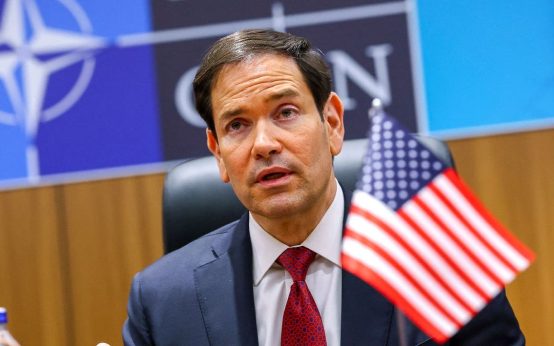 Secretary Rubio Discusses Middle East Conflict and NATO Relations