Energy experts are focusing on expanding technology and infrastructure to address growing power demands. Exelon’s CEO, Calvin Butler, stated that the industry plans to invest $1.1 trillion over the next five years to enhance infrastructure. In 2024, data centers constituted approximately 1.5% of global electricity consumption, with usage expected to rise significantly this year.
Exelon, a major electric utility holding company in the U.S., operates and maintains electric grid infrastructure to supply electricity to homes and businesses. Butler emphasized the company’s role as a transmission and distribution entity, highlighting a 645% increase in supply costs across the PJM footprint since 2024.
Emerging Solutions in Fusion Technology
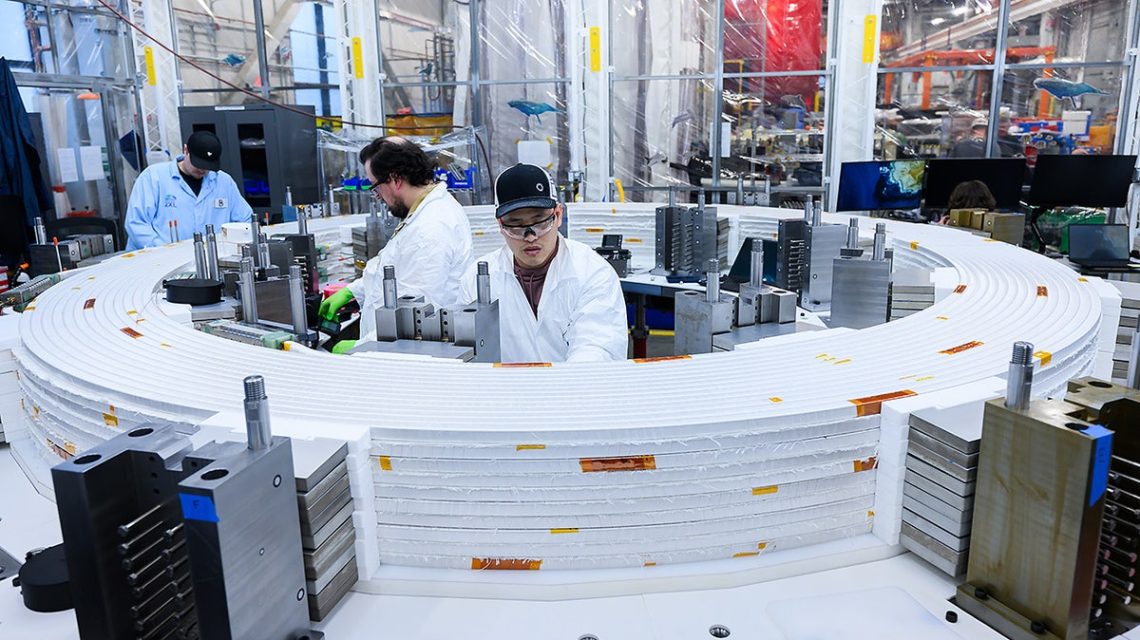
Companies like Commonwealth Fusion Systems are exploring fusion technology to provide new sources of carbon-free electricity. This approach seeks to meet the energy needs of AI and data centers. Commonwealth Fusion Systems, headquartered in Devens, Massachusetts, aims to deliver continuous, reliable power through fusion energy. Co-founder and Chief Science Officer Brandon Sorbom explained that fusion involves combining light nuclei, such as hydrogen, to release energy in the form of heat, which can then be converted into electricity.
Studies indicate optimism within the scientific community for fusion’s commercial use. The company estimates its ARC fusion power plant could generate 50 times more power than it consumes, with each plant capable of powering a small city for a year using minimal fuel. However, challenges remain, including the integration of complex systems needed for commercial operation.
Data Centers Seek Efficiency in the Nordics
To reduce power consumption, many companies are relocating data centers to regions with abundant renewable energy, such as the Nordics. Philippe Sachs of AI infrastructure builder Nscale noted that these locations offer favorable conditions, including a stable environment and green, affordable power. Nscale manages data center infrastructure in Nordic countries, offering services like Nvidia chip rentals and cloud computing.
EcoDataCenter in Sweden is also capitalizing on the region’s favorable climate. This allows data centers to use server-generated heat for local heating, creating an efficient ecosystem. According to John Wernvik, EcoDataCenter works with major tech companies to meet computing demands in Sweden.
Norway, with 50% of its land above the Arctic Circle, offers low energy prices and limited industrial competition, making it an attractive area for data centers. The grid in northern regions often operates independently from southern population centers.
Challenges and Opportunities Ahead
The development of Arctic data centers encounters challenges, including high construction costs and harsh weather conditions. However, companies are continually seeking innovative ways to match energy demand responsibly.
Brandon Sorbom highlighted the connection between energy use and quality of life. He stressed the importance of generating more energy cleanly and safely. Efforts continue globally to address these energy challenges effectively.
 Trump and AI Industry Leaders Discuss Regulation at White House
  Bill Gates Expresses Concerns Over AI’s Potential Threats
  Debate on AI Regulation Delayed Beyond Midterms
  Trump Administration Reduces Car Fuel Efficiency Standards
  Justice Alito Recuses Himself from Key Climate-Change Case
  Meta and Trump’s AI Language Alignment