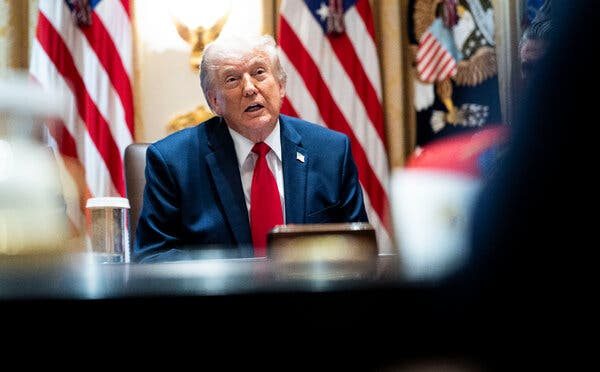
President Trump signed an executive order on Tuesday that represents a significant shift in the administration’s approach to artificial intelligence (A.I.). This directive requests technology companies to voluntarily provide governmental oversight of new A.I. models before they are released to the public.
The decision comes after months of debate within the Trump administration about the impact of A.I. on cybersecurity and national security. Notably, President Trump had previously discarded a related order which proposed a 90-day government review window for new A.I. models moments before its intended signing.
The signing followed a confidential meeting at the White House. Attendees included Treasury Secretary Scott Bessent, Defense Secretary Pete Hegseth, and former A.I. czar David Sacks among others. Sacks initially opposed the order but later accepted a revised version after the review period was reduced from 90 days to 30 days, helping persuade President Trump to proceed.
This step marks the most extensive move by the Trump administration towards regulating artificial intelligence. It signifies a departure from President Trump’s earlier unrestrictive stance, which aimed to foster American tech competitiveness against China and support economic growth.
The executive order initiates a voluntary review process, granting the government up to 30 days to assess new A.I. models before public release. Additionally, the order requests the Treasury Secretary to establish an A.I. ‘cybersecurity clearinghouse’ to examine security vulnerabilities identified by A.I. models.
The order emphasizes the balance between leveraging advanced A.I. capabilities for national strength and addressing new security concerns, requiring coordinated action across various government departments and agencies.
 The Challenges of Regulating AI Unveiled
  Challenges of the Digital Markets Act in the EU
 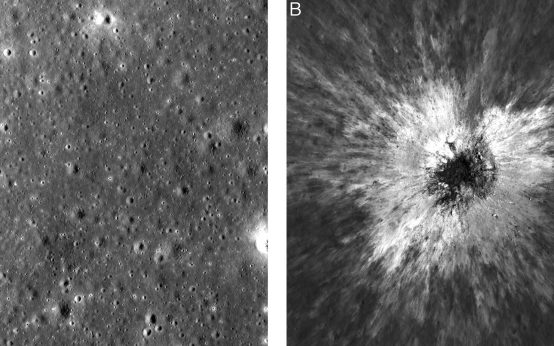 Scientists Discover Enormous Crater on Moon
  AI Chatbot Concerns: Families and Legislation
 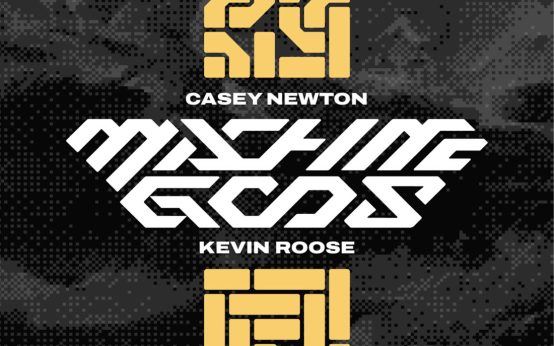 NPR Launches AI-Focused Podcast ‘Machine Gods’
 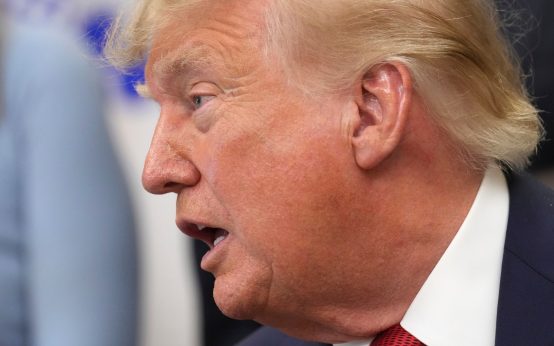 Trump Proposes ‘AI Force’ to Oversee Artificial Intelligence