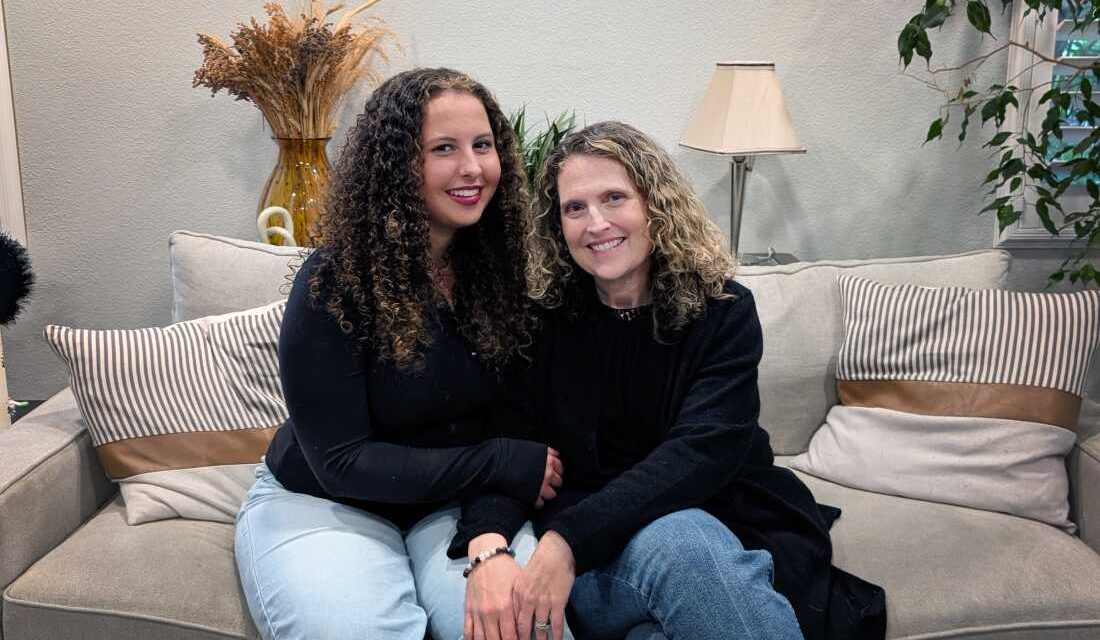
Ninth grader Soraya Martin, a social and creative teenager, has dyslexia. Despite her learning challenges, she excels at school with the help of technology. Her mother, Heather Martin, voices concerns about students with disabilities being overlooked in school screen bans. Over 30 states have restricted cellphone use in schools, and some aim to remove other screens like laptops.
Soraya uses various assistive technologies. She dictates her writing, listens to audiobooks, and takes photos of notes. These tools have significantly improved her academic performance. “I started getting really good grades,” Soraya explains. Her mother worries that the nationwide push against screens fails to consider the needs of students with disabilities.
The national trend against screens is often driven by concerns that they hinder student learning. Heather Martin understands these concerns but notes the absence of discussions about students with disabilities, except when she raises the issue among other parents. More than 8 million students with disabilities in the U.S. rely on assistive technology for tasks like note-taking and reading. States such as Alabama, Tennessee, and Utah have enacted laws to limit screen use in schools. Lindsay Jones, CEO of the education research nonprofit CAST, believes these laws are hasty and lack proper input, potentially neglecting the educational needs of disabled students.
Lindsay Jones emphasizes the need for comprehensive policy considerations that support students with disabilities without restricting their educational tools.
Apart from state and school policies, advocates point out potential limitations in enforcing civil rights. The U.S. Department of Education, already stretched thin, might struggle to ensure access to assistive technology for disabled students. Additional delays in digital accessibility rules add to these concerns.
At Soraya’s high school, phones were locked during school hours. Heather Martin worries this could lead to broader screen bans, affecting her daughter’s educational support. For Soraya, screens are not just distractions; they are crucial accessibility tools. Her individualized education plan (IEP) allows the use of such tools, but new cellphone bans pose challenges for her teachers in adapting to her needs.
Jones fears more schools might limit technology that has been beneficial for disabled students. Proper use of technology can create adaptable learning environments. CAST’s Universal Design for Learning model advocates for diverse learning methods to accommodate varied student needs, like using e-books and videos alongside traditional methods.
Jones stresses including educators and disability advocates in policy planning. “That is going to be the best way forward for everyone to achieve their goals without trampling on people’s rights,” she says. Tools like screen readers and speech-to-text have helped Soraya embrace her learning differences. Her educational success and ability to express herself have boosted her confidence.
 Mother Arrested Over Abandoned Baby Found in Riverside
  Nor’easter Causes Severe Flooding and Power Outages on Eastern Seaboard
  Man Charged with Murder After Discovery of Human Remains in Georgia
  Bear Attack on California Couple Turns Tragic for Pet
  Security Lapses Revealed in Charlie Kirk Shooting at Utah Valley University
  Nor’easter Hits Mid-Atlantic and New England; Hurricane Nolo Advances on Hawaii