
Dr. Oz Introduces New Work Rules
Dr. Mehmet Oz, head of the Centers for Medicare and Medicaid Services, presented new Medicaid work regulations from the White House. These changes raise concerns among advocacy groups, particularly those supporting patients with cancer and HIV.
The introduction of these rules is part of a broader initiative by Republicans to encourage personal responsibility among Medicaid recipients. Many Republicans view work requirements as crucial for fostering self-sufficiency.
Tight Implementation Timeline
Adrianna McIntyre, a health policy professor at Harvard, highlights the challenges in states implementing the rules by January 1. Transitioning systems to align with new regulations typically requires months or years. The timeline for adjustments is notably compressed.
Impact on Low-Income Americans
The regulations place health coverage for 68 million low-income Americans at risk. States must amend systems, test updates, and finally, initiate them. This cumbersome process is further pressured by the nearly 400-page interim final rule.
“The law requires that the condition or disease must significantly affect work capacity,” McIntyre states.
This stipulation excludes people with conditions requiring ongoing treatment, yet does not erase work ability.
Political and Economic Context
Republicans secured legislative victory, passing the bill without Democratic support. They aim to cut Medicaid funding by $900 billion, directing funds elsewhere like tax reform and immigration policy.
The cuts result in an estimated loss of Medicaid for 5 million Americans, according to the Congressional Budget Office. The nature of these reductions raises alarms for advocates.
Current Employment Levels
Despite new policies, data from KFF suggests most Medicaid recipients are employed already. The organization identified one-fifth lacking the 80-hour threshold due to various barriers, from unemployment to layoffs.
Concerns Voiced by Advocacy Groups
A coalition of 48 patient organizations criticized the interim final rule for its harsh implications. Carl Schmid from the HIV + Hepatitis Policy Institute warns of the potential loss of coverage leading to severe health consequences.
“We’re just going to lose people to Medicaid, and then they’ll get sick and die,” Schmid comments.
Advocates are preparing for comments on the interim rule and possibly pursuing legal avenues.
Complexity and Lack of Support
Jennifer Wagner from the Center on Budget and Policy Priorities notes the absence of employment assistance funding. She argues the rules assume individuals can find jobs independently, misunderstanding their circumstances.
The complexity of regulations may result in eligible citizens losing coverage due to administrative errors. Past experiences support this concern, posing risks to even compliant individuals.
 Tensions Rise Between Democratic Moderates and Progressives
  Republican Candidates Compete for South Carolina Senate Seat
 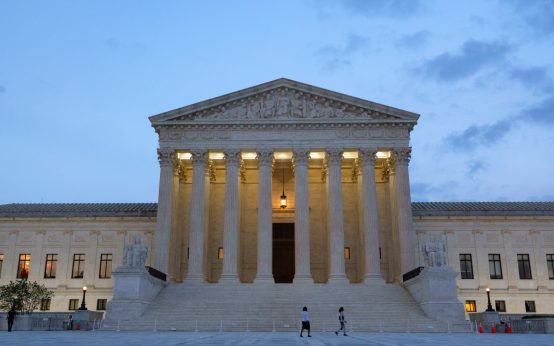 Conservative Activists Aim to Shape Judicial Perspectives on Birthright Citizenship
 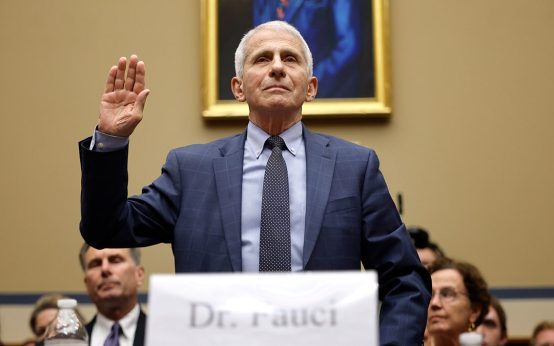 Understanding Contempt of Congress: Recent Case Involving Dr. Fauci
  Legal Experts Predict Trump’s Success in White House Ballroom Case
  Senate Passes Stopgap Funding Bill, Affecting Key Policies