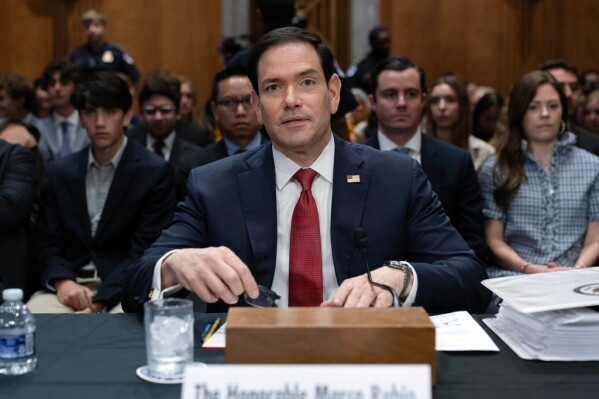
In a Tuesday House committee hearing, Acting Attorney General Todd Blanche announced that President Donald Trump’s administration would abandon plans to establish a $1.8 billion compensation fund in response to court challenges and political disapproval. Initially, the fund aimed to support Trump allies after claims of political prosecution during the Biden administration. The scrapping follows Republican demands for assurance before proceeding with immigration enforcement agency funding.
Bipartisan questioning targeted Secretary of State Marco Rubio’s diplomatic efforts post-Iran war, marking his first Capitol Hill appearance since the conflict began. Voter action unfolds in various states, while U.S. military intervention continues with the halting of a Botswana-flagged merchant vessel running an Iranian blockade. The vessel was stopped by a Hellfire missile following ignored warnings from American forces.
The Justice Department’s decision to shelve the fund did not alter Trump’s IRS settlement terms regarding investigation cessation over tax queries, Blanche revealed to lawmakers. The IRS had agreed to halt probes concerning Trump’s tax payments. Democrats expressed surprise at the temporary halt, questioning the fund’s future. In a legislative move, Democrats push for regulation of AI use in the military, emphasizing prohibitions on autonomous weapon systems and nuclear launches.
In the hearing, criticism of Trump’s administration persisted with references to dismantling USAID and the impact of Musk’s influence. Rubio acknowledges China’s minimal assistance to Iran, despite military equipment ties, and clarifies the stance on Taiwanese arms deals unaffected by Chinese pressure. Immigration enforcement priorities are debated alongside ongoing scrutiny over detainee care, with investigations revealing medical neglect across facilities.
Amid protests during sessions, Rubio asserts Iran’s agreed negotiations on nuclear programs, emphasizing the complexity of the regime’s leadership. Highlighting global discussions, Israel and Lebanon resumed political talks amidst regional conflicts. The U.S. faces challenges on multiple fronts, balancing foreign policy decisions and internal administrative strategies while navigating international dynamics and protester encounters.
 Impact of Deregulation on Air Travel
  Impact of Democratic Socialists of America in Recent U.S. Elections
 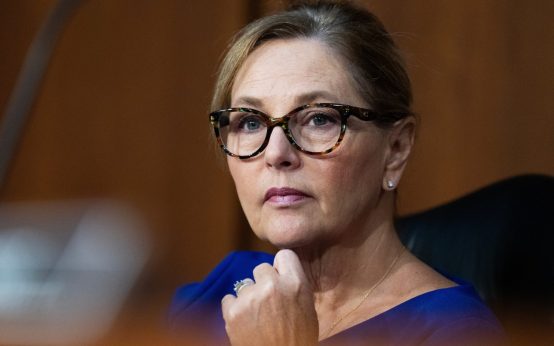 Darline Graham Holds Strong Lead in South Carolina GOP Senate Race
 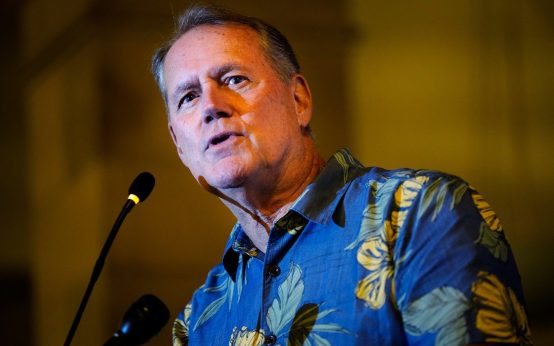 Hawaii Democratic Primary Highlights Party’s Internal Divide
 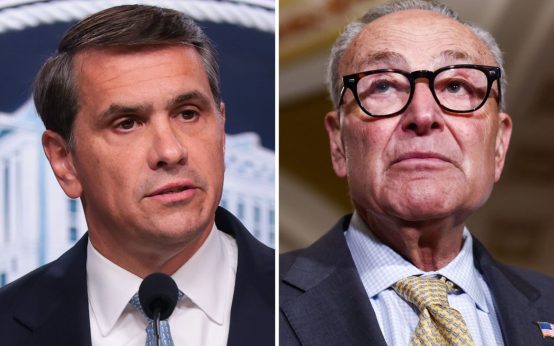 Todd Blanche’s Controversial Confirmation as Attorney General
  Trump Administration Seeks New Restrictions on Birthright Citizenship