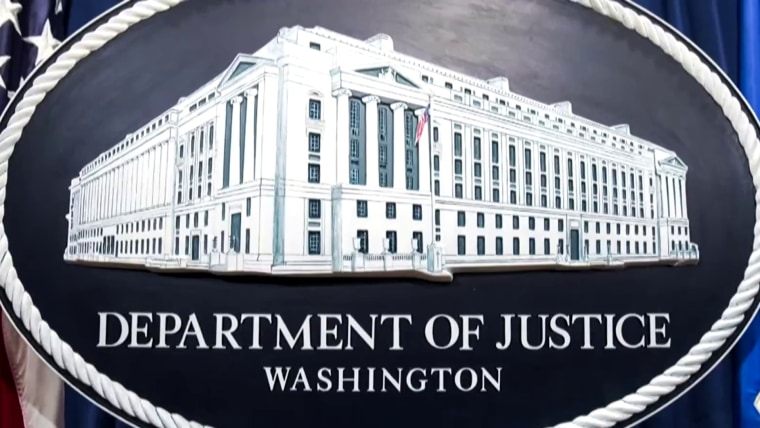
The Trump administration faced significant opposition Monday regarding a $1.8 billion fund announced by the Justice Department. This fund was intended to provide financial support to individuals viewed as victims of political legal actions against allies of President Donald Trump.
Republican Opposition
Republican senators, in an unusual move, considered joining Democrats to block the fund. Approximately half of the Republican senators were prepared to vote with Democrats to limit or eliminate this fund. Senator Ted Cruz from Texas mentioned this growing bipartisan resistance last week.
Legal Challenges
A federal judge temporarily blocked the fund last Friday, though the Justice Department opposed the decision. A further examination of the arguments from both sides is pending, with a hearing scheduled for June 12. This legal challenge began when a prosecutor, dismissed by the Trump administration, and others initiated a lawsuit against the fund’s establishment in the Eastern District of Virginia. Skye Perryman, head of Democracy Forward, labeled a complete withdrawal by the administration as a significant win but emphasized continued legal action until a formal abandonment is confirmed.
Continued Legislative Battles
The fund’s controversy has stalled Republican efforts to push a ‘reconciliation’ bill in Congress. This bill aims to finance ICE and Border Patrol until the end of Trump’s term. Democrats threatened to use amendments and independent legislation to terminate the fund’s creation. Senate Minority Leader Chuck Schumer demanded clear legislative action to prevent future establishment of such a fund.
Republican Responses
Senate Majority Leader John Thune expressed uncertainty about potential legislative support to stop the fund, emphasizing the need for a clear decision from the administration.
Internal Tensions
Intense discussions occurred among Republicans during a private meeting on May 21, as Cruz recounted dissatisfaction directed at the Acting Attorney General Todd Blanche. Republican senators voiced concerns over the fund’s perception as self-serving.
Republicans maintain a slight majority in both congressional houses, which emphasizes the significance of their criticisms against the fund.
Wider Legal and Political Context
Multiple lawsuits have cropped up, challenging the fund. Notably, a federal judge in Florida questioned the settlement that led to the fund’s creation, after numerous retired federal judges suggested potential collusion and fraud.
Discussions on the appointment of five commissioners to oversee the fund remain unresolved, as the Justice Department has yet to make official announcements regarding these positions.
Schumer criticized the fund’s potential beneficiaries, labeling the proposal corrupt and vowed to keep fighting until it is permanently dismissed. Schumer asserted on the Senate floor that if Republicans continue pursuing their reconciliation bill, banning the fund would be a priority amendment.
 Pentagon Urges Increased Weapon Production Amid Munitions Shortage
  Controversy Over Trump’s Use of Taylor Swift’s and Other Artists’ Songs on Team Trump TikTok Page
  Impact of Democratic Socialists of America in Recent U.S. Elections
  Darline Graham Holds Strong Lead in South Carolina GOP Senate Race
  Hawaii Democratic Primary Highlights Party’s Internal Divide
  Todd Blanche’s Controversial Confirmation as Attorney General