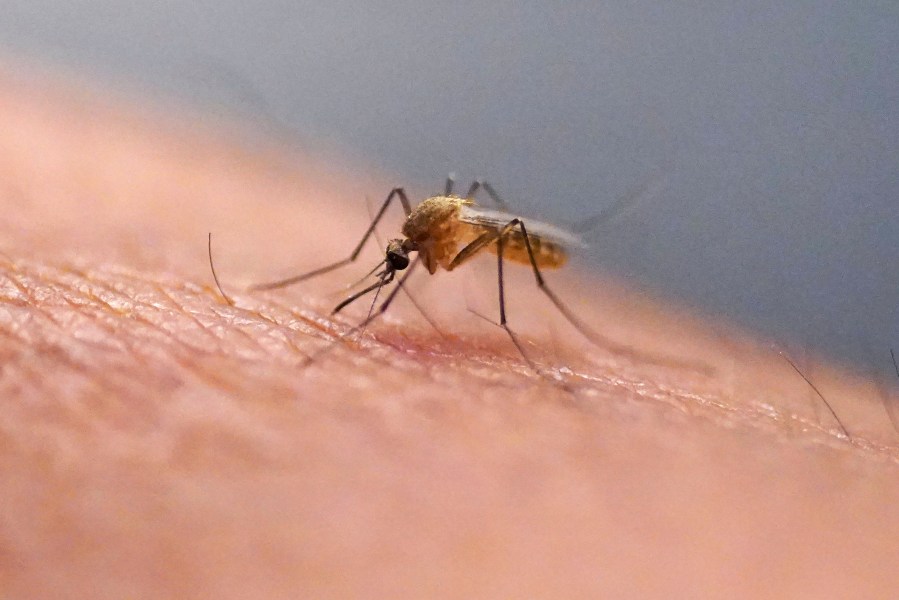
When thinking of Google “debugging,” software typically comes to mind, not real insects. However, the tech company seeks federal approval to release up to 32 million mosquitoes in California and Florida through its “Debug” program. This initiative aims to “stop bad bugs with good bugs” by releasing millions of sterile mosquitoes to eliminate disease-carrying ones.
Mosquitoes rank as the deadliest animals globally, according to the Centers for Disease Control. Among over 3,500 species, Aedes aegypti stands out, transmitting diseases like dengue fever, Zika, and chikungunya, affecting hundreds of millions annually. “They pose a complex challenge,” states Google Debug’s project homepage, highlighting that most mosquito-borne diseases lack effective vaccines or treatments.
Google notes that pesticide use is unsustainable, with diminishing effectiveness over time and potential toxicity. Additionally, eliminating standing water fails to address breeding completely, as locating all breeding sites proves challenging.
The proposed solution involves “good” bugs. These are male mosquitoes of the same species as the harmful ones, carrying a naturally occurring bacteria, Wolbachia. This bacteria prevents them from reproducing with wild female mosquitoes, effectively reducing the mosquito population over time. These male mosquitoes neither bite nor spread disease, making them instrumental in controlling harmful mosquitoes.
This technique, leveraging a natural bacteria without chemicals or genetic modification, has safely managed other pests for decades. Google Debug combines scientific and engineering expertise with international partners to raise and release beneficial mosquitoes.
The program distinguishes itself by using data analytics, sensors, and automation to expand the Sterile Insect Technique. The FAQ page details collaboration with national and local governments, community leaders, and research institutes, and engaging communities to understand local concerns before commencing projects.
Google has sought federal approval to continue the project in California and Florida. The Environmental Protection Agency (EPA) is reviewing Google’s Experimental Use Permit applications per the Federal Insecticide, Fungicide, and Rodenticide Act. Planned activities include releasing up to 16 million mosquitoes in Florida during the project’s first year, followed by another 16 million in California the subsequent year.
The public can learn more and provide comments by visiting the Federal eRulemaking Portal at www.regulations.gov, using docket number EPA-HQ-OPP-2025-3951 for reference. Additional information on Google’s Debug program can be found on its “How we stop bad bugs” webpage.
 Measles Exposure in Philadelphia Raises Health Concerns
  Debate Continues Over Virginia’s Data Center Energy Plans
  Lawsuits Claim Vision Loss Risk from GLP-1 Medications
  States Tighten Regulations on Tianeptine, Known as ‘Gas Station Heroin’
  Trump Suggests Renaming AI to ‘Super Intelligence’
  Medicare Lab Test Payments: Upcoming Changes and Their Implications