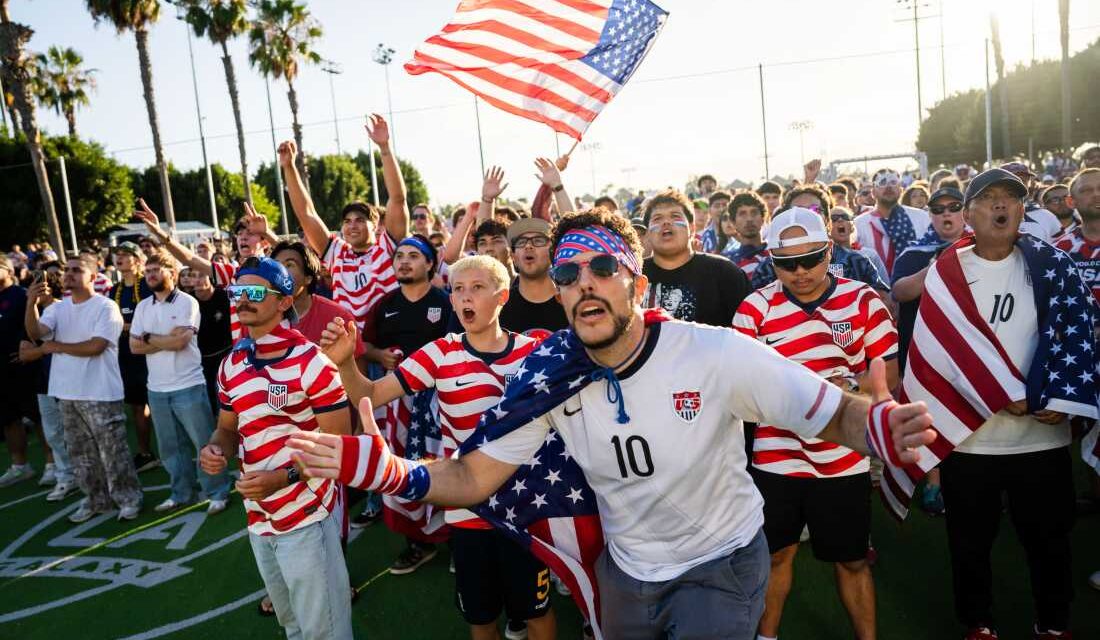
Fans gathered enthusiastically at a watch party in Carson, California, for the World Cup Round of 32 match between the United States and Bosnia on July 1, 2026. Such events in cities like Chicago have marked the prominence of World Cup fever across the U.S.
Chicago’s Soccer Celebration
A bar in Chicago’s West Loop has become a central hub for World Cup watch parties, largely driven by Chicago’s Major League Soccer club, the Fire. The venue has attracted huge crowds for the major matches, and by the tournament’s conclusion, upwards of 60,000 people will have visited. This effort is part of Major League Soccer’s (MLS) broader initiative to harness the attention and energy of the World Cup.
The 1994 World Cup in the U.S. played a pivotal role in transforming soccer’s popularity in America, leading to the creation of MLS. Starting with only ten teams in 1996, the league now boasts 30 teams, reaching a size comparable to Major League Baseball and the NBA. Every match is available on Apple TV, broadening its reach.
Maximizing 2026’s Opportunities
Rob Stone of FOX Sports and MLS Commissioner Don Garber emphasized that with the World Cup ending, MLS aims to retain and grow the newfound interest in soccer. Their message is succinct: the league is poised to expand soccer’s appeal in the U.S. once the global event wraps up.
The Chicago Fire undertook a significant investment by spending nearly $3 million to enhance their watch party venue at Recess. The setup includes a large jumbotron-style screen, decorations, contests, and merchandise—creating an engaging atmosphere for attendees. Fire’s president of business operations, Dave Baldwin, likened winning over new soccer fans to sampling a product: once experienced, people want more.
Encouraging New Fan Engagement
The MLS launched campaigns like “First Match on Us” to draw new spectators by offering complimentary tickets for first-time visitors. Brian Bilello of the New England Revolution noted a shift in perceptions; casual sports enthusiasts today are more open to exploring soccer.
The Messi Effect
MLS recently introduced a substantial marketing campaign, centering on the theme “Thanks, World, We’ll Take It From Here,” featuring prominent figures like Lionel Messi. His move to Inter Miami in 2023 ignited interest in MLS, boosting attendance and viewership. Messi’s dynamic presence challenges the belief that he intended to wind down his career in MLS.
During the World Cup, Messi’s performance further amplified MLS’s reputation. With Messi leading Argentina to the finals, his visibility on the world stage acts as a powerful advertisement for the league. Thus, MLS aims to attract more international talent, improving the league’s competition quality.
Enhancing Player Opportunities
Players talk. It’s crucial they have positive experiences here.
MLS worked diligently to integrate its facilities within the World Cup’s framework. This strategic positioning enabled teams like Argentina and Brazil to experience MLS’s state-of-the-art venues firsthand. Such experiences aim to entice world-class players to consider MLS as an attractive career option.
Despite European leagues maintaining popularity among American fans, MLS aspires to rival their appeal by continuously enhancing its competitiveness. Notably, MLS players contributed ten goals in the World Cup group stage, underscoring the league’s growth and potential.
 Caleb Williams Suffers Injury During Game Against Vikings
 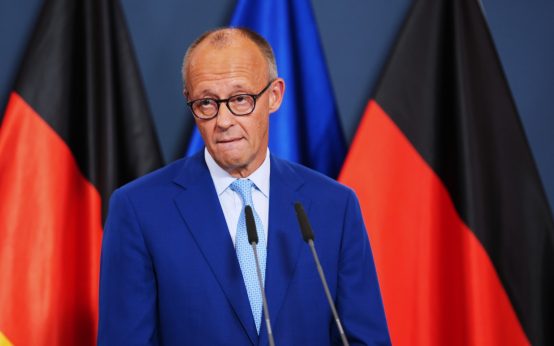 Merz Stays Resolute Amid Electoral Shifts in Germany
  Cubs’ Victory Overshadowed by Alex Bregman’s Injury
  SEC Teams Dominate AP Top 25 Rankings
 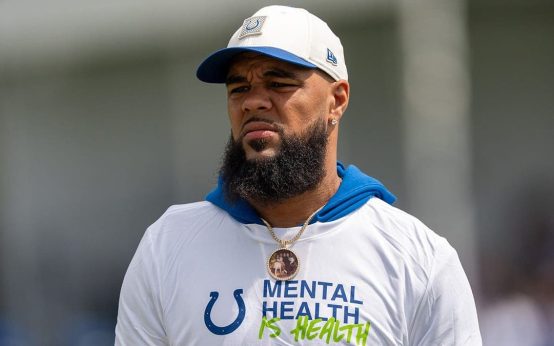 NFL Predictions and Updates for the 2026/27 Season
  Cubs and White Sox Enter Intense Playoff Chase