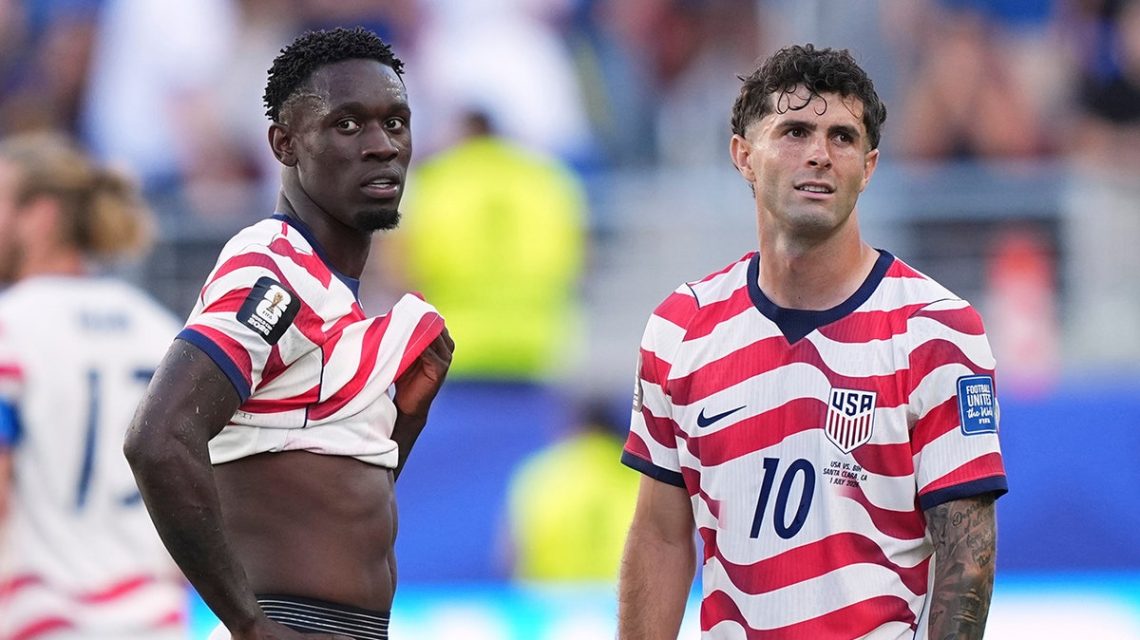
The World Cup has delivered substantial economic benefits, notably in host cities, while significantly boosting viewership records. Alan Rothenberg, the founder of Major League Soccer, highlights the tournament’s success and its influence on young U.S. soccer talent. This momentum could drive the future growth and competitiveness of soccer in the country.
The 2026 FIFA World Cup, despite initial concerns from European fans and some sportswriters, has achieved remarkable success. The group stage set attendance records, attracting fans globally to experience international soccer in the United States. Local and neutral fans alike invested heavily, contributing to this surge.
Ratings have surged, with the U.S. men’s national team’s game against Belgium becoming the most-watched English-language soccer telecast in U.S. history.
A key change in the 2026 World Cup format was the expansion to 48 teams, which had faced skepticism from purists. Nonetheless, it proved successful by allowing smaller nations to participate and, in some cases, become fan favorites. Cape Verde, for instance, advanced beyond the first round, challenging Argentina significantly.
FIFA President Gianni Infantino expressed interest in further expansion, potentially to a 64-team format. He emphasized that a World Cup should serve the entire world, not just Europe and South America. By broadening participation, FIFA encourages improvement across all nations. More teams mean more games, rising broadcast rights, fees, and tickets sold.
However, a 64-team format presents challenges. The qualifying phase could lose its competitiveness with more countries effortlessly qualifying. Moreover, few nations have the requisite number of venues to host such an extensive tournament.
The United States stands out with an abundance of large stadiums, approximately 75 with over 60,000 seats. These venues require minimal updates, allowing for a cost-effective hosting solution. Despite this, the notion of making the U.S. a permanent World Cup host might face objections from other countries and federations.
In summary, the 2026 World Cup has showcased the U.S. as a remarkable host, setting a high bar for future tournaments.
 Travis Kelce Sparks Excitement at Arrowhead Stadium
 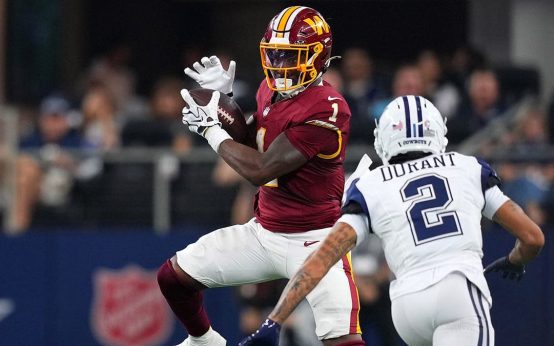 Dallas Cowboys Defeat Washington Commanders Amid Player Injury
  Chicago Cubs’ Alex Bregman Suffers Facial Injury from Foul Ball
 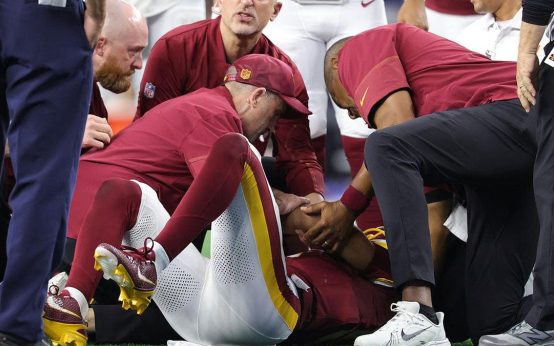 Washington Commanders Face Major Setback as QB Jayden Daniels Suffers Elbow Injury
 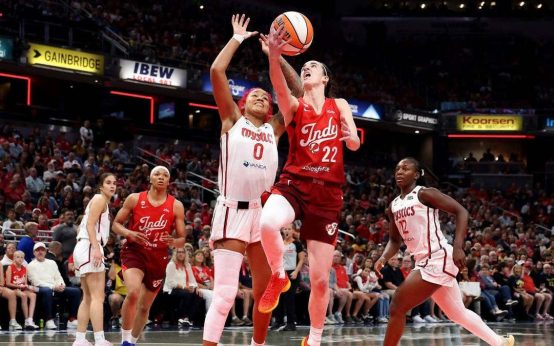 Indiana Fever’s Struggles Against Washington Mystics
 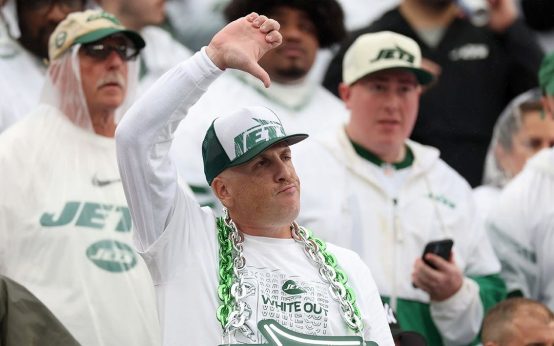 New York Jets Fall to Green Bay Packers After Fourth-Quarter Collapse