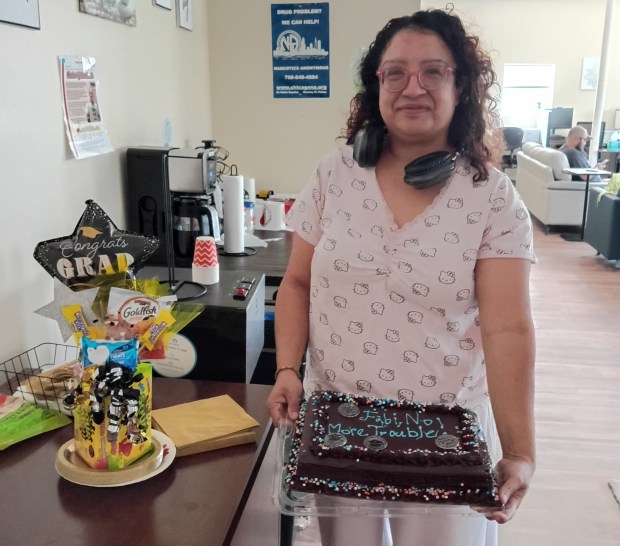
Will County recently marked the milestone of 1,000 graduates from its problem-solving courts. Program leaders say the initiative has successfully reduced recidivism and provided those involved with sobriety and a fresh start. Scott DuBois, the program coordinator, highlighted its transformative nature. He noted how individuals have found hope and built stable relationships in the community.
DuBois explained that the program’s impact extends beyond the graduates. He described a ripple effect as individuals redefine their lives and live in recovery. The program, which originated with the efforts of Will County State’s Attorney Jim Glasgow, began with a local drug court. Funding included an initial $30,000 in federal funds and subsequent grants, including $50,000 from the state and $500,000 from the U.S. Department of Justice.
Since its inception in 2000, the program has expanded to include a mental health and veterans court, as well as the Redeploy Illinois program. These courts aim to reduce incarceration, treat addiction, and aid community reintegration.
“They treat you like a person,” said Fabiola Findlay, a participant in the mental health court.
Findlay, from Joliet, shared that through the program, she no longer relies on alcohol and now leads a recovery group. The court provides tailored therapy that encourages participants to trust the process and persist in their recovery journey.
DuBois explained how the problem-solving courts require applicants to be assessed and approved by a judge, focusing on nonviolent crimes. Participants proceed through five phases, starting with abstaining from drug use and engaging with community resources.
Magdalena Campos, a program alum, emphasized the importance of connection in battling addiction. Her role in the recent alumni group helps graduates remain connected. Her own sobriety journey has led her to become a certified peer recovery support specialist.
The program boasts an 80% graduation rate, alongside significant reductions in repeat offenses. Graduates have a 14% recidivism rate in their first year post-graduation, compared to a 75% rate among those not in the program. DuBois noted the cost effectiveness, with annual participant costs at $3,000 versus $52,000 for incarceration.
Glasgow stressed that problem-solving courts help transform individuals into productive citizens, ultimately benefiting the community. He commends the dedication of the judges and counselors who support participants. Glasgow recounted a participant’s heroism in saving lives, illustrating the potential within these individuals.