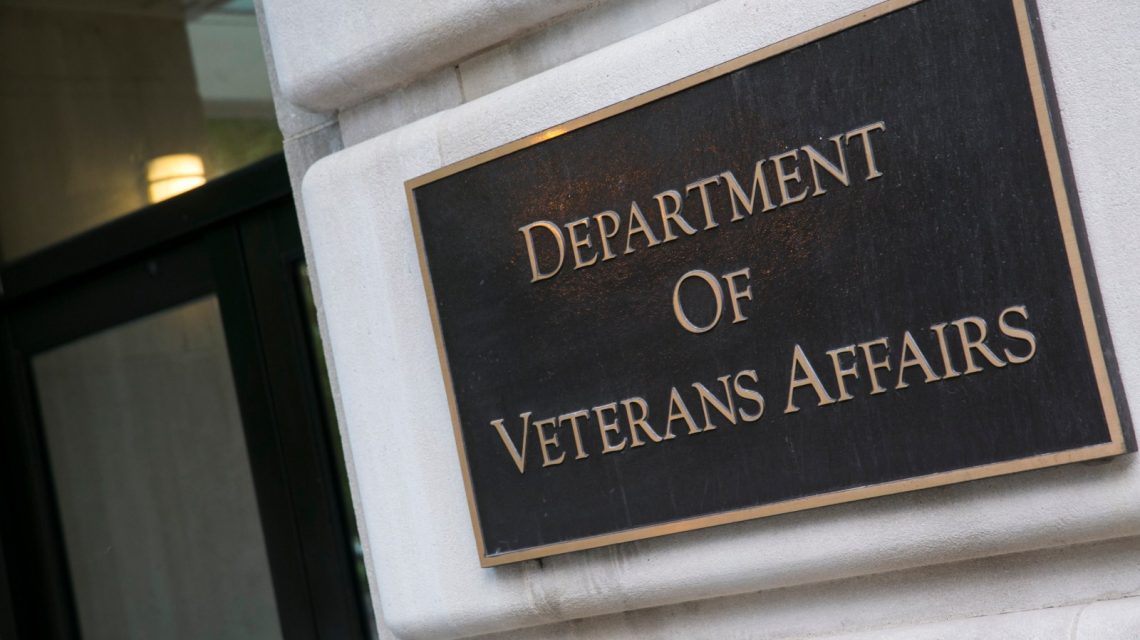
A recently proposed bill in the House of Representatives seeks to help veterans avoid costly mistakes related to Medicare enrollment. The bill mandates clearer guidance from the federal government regarding how Department of Veterans Affairs (VA) health care interacts with Medicare coverage and premiums. Many veterans misunderstand the relationship between these two systems, leading to unintended permanent penalties.
Congressman Roger Williams from Texas highlighted the need for this clarity. He noted that veterans should not face higher Medicare premiums due to unclear information. The bill, named the Veterans Medicare Premium Transparency Act (H.R. 10012), proposes a straightforward solution without financial burden. Williams officially introduced the bill on July 30, with Representative Aaron Bean from Florida joining as a cosponsor.
Impact on Veterans
Millions of veterans rely on VA health care services post-military service. However, upon reaching age 65, some assume VA health care coverage equates to enrolling in Medicare Part B. This misconception can result in significant financial burdens since VA health care does not qualify as credible coverage for Medicare Part B. Delaying enrollment in Part B might result in permanent late-enrollment penalties.
Key Provisions of the Bill
If enacted, H.R. 10012 will update the annual federal “Medicare & You” handbook to detail how VA enrollment impacts Medicare choices and costs. It also mandates the dissemination of this information on Medicare.gov and Health and Human Services websites. Specifically, the bill will clarify:
- The effects of VA enrollment on Medicare Part B premiums
- The relationship between VA enrollment and Medicare Part D prescription drug coverage
- The significance of certain VA enrollment periods in determining Medicare premiums
- Ways veterans can avoid unexpected premium penalties due to enrollment choices
Additionally, federal agencies will be required to report data on veterans affected by these Medicare penalties. Alex Beene, a financial literacy instructor, mentioned that this bill helps address confusion over premium costs and enrollment deadlines for veterans transitioning into Medicare.
Potential Impact of the Legislation
Williams’ office suggests the Medicare-VA issue could affect a substantial number of veterans, considering many need to make Medicare enrollment decisions at age 65. Drew Powers, founder of Powers Financial Group, stated that minimizing the risk of missed deadlines could prevent lifetime premium penalties.
The bill emphasizes collecting data on penalties for veterans, a task not previously undertaken. No new benefits or eligibility changes are proposed, yet accountability and communication are focal points of the bill, as noted by finance expert Michael Ryan.
Legislative Process
Currently, the bill has been referred to several House committees, including Ways and Means, Energy and Commerce, and Veterans’ Affairs. For the bill to become law, it must pass through committee reviews, gain approval from Congress, and be signed by the president. According to Beene, this proposal could succeed due to its approach to reducing healthcare costs by improving resources rather than increasing spending.
 Orland Park Plans Traffic Enforcement Measures
  Congressional Hearing Addresses Fatal Shootings Involving Federal Agents
  Texas Man Arrested in Shooting of 5-Year-Old Girl
  Star Meat Delivery Inc. Recalls Over 167,000 Pounds of Meat
  Debating Government Involvement in Family Homes
  Tinley Park Updates Downtown Parking Rules