
The U.S. military reported intercepting an Iranian ballistic missile aimed at American forces in the Middle East, marking the end of a brief pause in hostilities. Mediators were working to bring both parties back to negotiations after the resumption of fighting.
American and Saudi forces targeted sites used by Iran-backed militias in Iraq for recent attacks. The U.S. Central Command confirmed the successful interception of all Iranian missiles and stated that U.S. forces remain vigilant and prepared.
Prior to this incident, the U.S. and Iran experienced a period of relative calm following an escalation over the strategic Strait of Hormuz, where 20% of global oil typically flows. There has been no comment from Tehran regarding these events.
The renewed fighting comes as President Trump faces increased pressure from domestic issues related to the conflict. Four U.S. soldiers lost their lives during the recent fighting, while Congress debated funding for the conflict’s rising costs. High gas prices, exacerbated by the Straits of Hormuz’s closure, add to concerns for Republican vulnerability in upcoming elections.
Trump’s Interview and Military Decisions
President Trump, in a Fox News interview, emphasized his readiness to engage decisively if Iran fails to negotiate to end the war. Iran exerted control over the strait with aggressive actions towards international shipping, prompting intervention by the U.S. and Saudi forces.
Saudi forces successfully intercepted drone attacks by Iranian-backed militias in Iraq. These drones attempted to target key petroleum facilities in the area. Saudi Arabia accused these attacks, originating from Iraq, of being orchestrated by Iran-affiliated militias.
Drone Attacks and Investigation
Iraqi Prime Minister Ali al-Zaidi ordered investigations into these drone attacks after similar offensive actions were reported. The Iraqi military stressed its commitment to preventing its territory from being used for attacks against neighboring countries.
Iran-backed Houthi rebels from Yemen claimed to have blocked a Saudi oil tanker in a move to impose their blockade of the kingdom. Air defenses in Saudi Arabia thwarted additional threats to strategic facilities.
Maritime Tensions and Missile Strikes
Heightened tensions continued in the Middle East with reports of missile threats in the Red Sea, linked to disputes over shipping routes. Iran alleged that earlier U.S. strikes had caused significant destruction to infrastructure, including airports and bridges.
Netanyahu’s Visit and US-Israel Relations
Prime Minister Benjamin Netanyahu’s visit to Washington coincided with Iranian actions, providing an opportunity to discuss mutual interests with President Trump. Their meeting focused on smoothing tensions and bolstering the U.S.-Israel partnership.
Both leaders face significant domestic pressures regarding foreign policy and economic implications.
Concerns Over US Missile Stockpiles
Lawmakers and military experts have raised concerns about diminishing U.S. stockpiles of missile interceptors, although the Pentagon assured its capability to respond as required.
The Pentagon adjusted its official casualty records, creating a new category for those affected by the U.S.-Iran conflict.
Journalists Konstantin Toropin, Darlene Superville, and Christopher Weber contributed to this report.
 Inside the Secret Deals Powering the President’s Push to Deport Migrants to Countries Not Their Own
  Navigating the Challenges of Third-Country Deportations
  Midair Altercation on Bangladesh to London Flight
 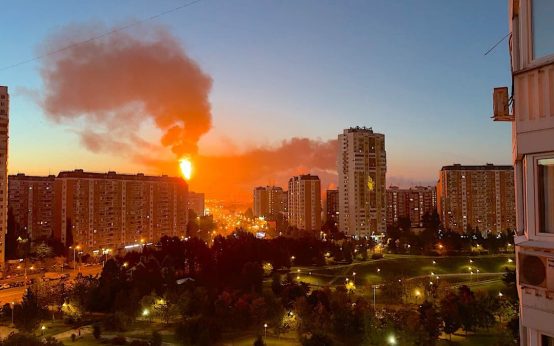 Ukraine Missile and Drone Barrage Hits Russia Amidst Elections
  U.S. Strategic Goals Remain Unmet Amid Prolonged Conflict
  New Photos Reveal Damage from Iranian Strikes in the Middle East