
Every American has a moment when they first experience the Declaration of Independence. For most, it is viewed as a sacred text, enshrined in the nation’s civic tradition. The key phrase highlights human equality, stating the self-evident truth that all men are created equal, with unalienable rights such as life, liberty, and the pursuit of happiness. This Declaration reflects a universal desire for human freedom. President Gerald Ford, during the nation’s bicentennial, referred to it as the fixed star of freedom, a statement of eternal moral truths.
From a civic perspective, this is the essence of the Declaration. Historically, the story is more nuanced. Thomas Jefferson’s original text was not solely an affirmation of human equality. It was a declaration about political authority and the right of revolution, influenced by Enlightenment thinkers like John Locke and other social contract theorists. It was intended as an argument on government’s preconditions, emphasizing the purity of pre-government life, rather than a roadmap for emancipation.
The opening assertions of ‘self-evident’ truths address men in a ‘state of nature’ before government was established. With regard to persons, equality meant that no one held authority over others by right of birth or divine gift.
This observation by historian Pauline Maier in ‘American Scripture: Making the Declaration of Independence’ reflects a common sentiment of Revolutionary-era America. Jefferson was echoing a political orthodoxy found in sermons, newspapers, and educational materials of the time. Thomas Paine’s ‘Common Sense’, published six months before the Declaration, conveyed a similar message: all men originally being equals, no one by birth had the right to perpetual preference over others.
 A Mother’s Tragic Journey Under Abortion Ban
  U.S. Strategic Goals Remain Unmet Amid Prolonged Conflict
  The Impact of Arts and Closure on Democracy
 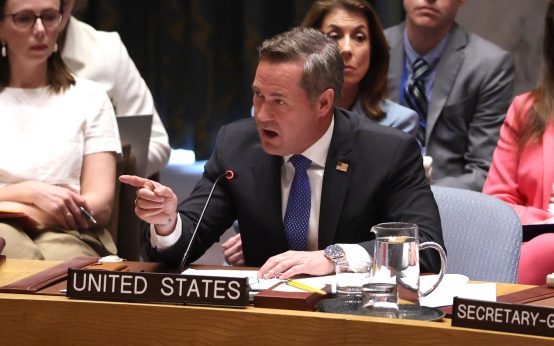 U.S. Ambassador Comments on Iran War Duration Amid Political Concerns
 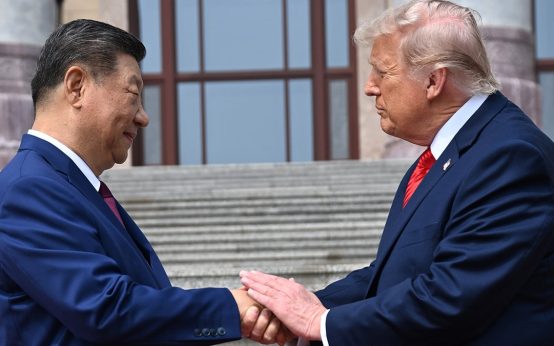 US-China Relations Under Scrutiny: Expert Warns of Escalating Tensions
  No Timeline for End of Iran Conflict