
In recent discussions at the BRICS Business Forum 2026 held in New Delhi, Russian President Vladimir Putin’s global strategy became evident. Unlike a typical businessman, Putin does not primarily seek out business deals. His approach is quite different.
During the forum, U.S. representatives Steve Witkoff and Jared Kushner expressed excitement after engaging with Putin. Witkoff considered these meetings among the most significant of his career. This sentiment highlights a key difference in how U.S. negotiators perceive Russian interactions.
Witkoff and Kushner have been trying to view Russia as a potential partner. Their mindset aligns with that of former President Donald Trump, who often advocated for securing ‘win-win’ situations in international dealings. This business-oriented outlook contrasts with Putin’s strategy, which centers on geopolitical influence rather than profit-driven negotiations.
Putin’s strategy emphasizes Russia’s long-term goals. He focuses on enhancing Russia’s status on the international stage, rather than engaging in typical business negotiations. He aims to expand Russia’s influence across geopolitical landscapes, leveraging opportunities to strengthen nation-state power.
While U.S. negotiators may see Russia as a business partner, Putin’s broader goals diverge from mere transactional relations. Understanding this distinction is crucial when navigating political dialogues and forming diplomatic strategies globally.
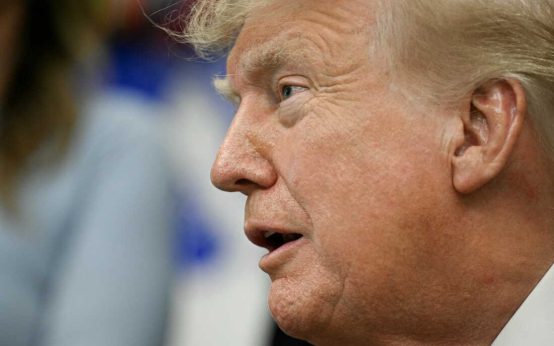 Trump Seeks Diplomatic Success at the U.N. Amid Challenges
 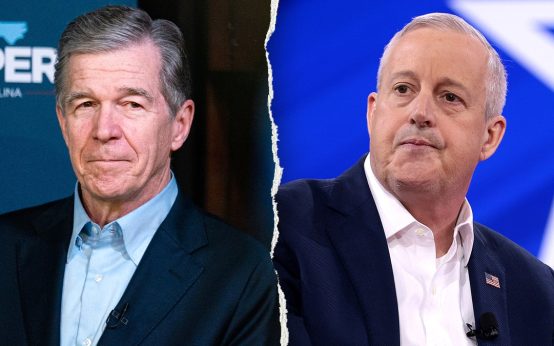 North Carolina Senate Race Influenced by Abortion Policy Messaging
 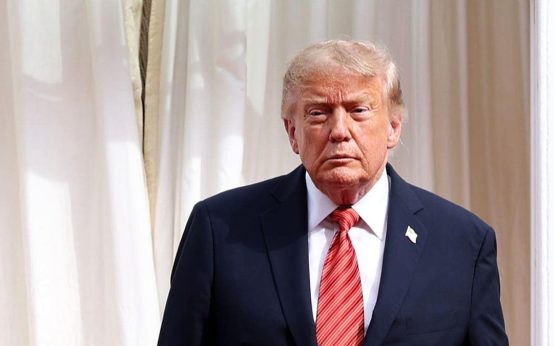 Trump Pressures Republicans on Filibuster Threat
 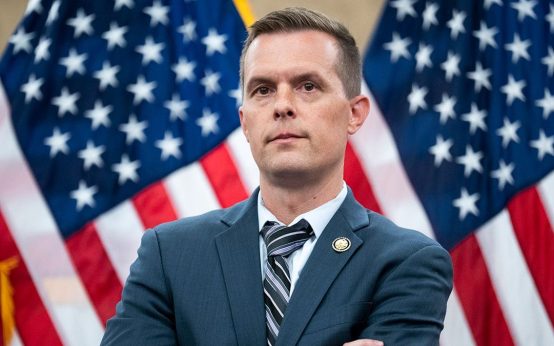 Rep. Golden Endorses Rep. Lawler for Re-election
  Public Perception and Political Impact of Data Centers
 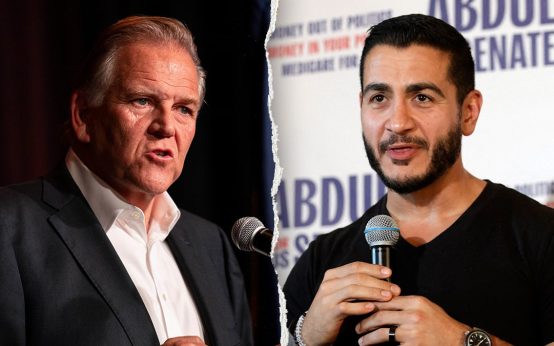 Jewish Democrats in Michigan Shift Support to GOP Candidate in Senate Race