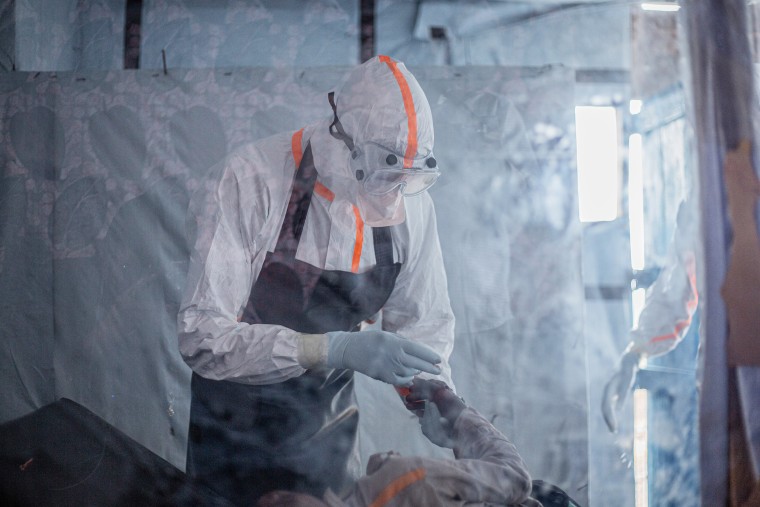
The Ugandan authorities announced on Tuesday that Uganda is now free of Ebola following the release of the last patient in mid-June. This comes as the virus continues to trouble neighboring Congo.
Ugandan officials maintained from the start that their cases stemmed from the larger outbreak in Congo’s Ituri province, which is adjacent to Uganda. Initially, Congolese individuals crossed into Uganda seeking treatment for an unidentified illness before Ebola was confirmed, according to health officials.
Following suspected weeks of transmission, Congo declared its outbreak on May 15, coinciding with Uganda’s confirmation of two Ebola cases, including one fatal case.
Though Uganda reported 20 cases in total, health authorities now report no evidence of further transmission within the country.
The last Ugandan patient was discharged on June 16. Authorities adhered to the World Health Organization’s guideline to wait 42 days, marking two Ebola incubation periods, to declare the nation free of Ebola.
“Uganda’s 2026 Ebola outbreak arose from a fully documented importation event,” stated the Ugandan Health Ministry. “All identified contacts were institutionally quarantined and completed the mandatory 21-day follow-up without signs of further transmission.”
The declaration followed enhanced surveillance efforts with no unexplained community transmission recorded. The outbreak involved the Bundibugyo strain of the virus, which has no approved vaccines or treatments.
Uganda swiftly tackled the outbreak. When cases emerged in May, the Ugandan President urged citizens to avoid handshakes and postponed a major religious event that attracts thousands of pilgrims annually. Other measures included suspending public transportation and flights between Uganda and Congo.
Meanwhile, Congo’s Health Ministry reported 3,262 confirmed cases with 1,437 deaths in the current outbreak, the fastest on record. This outbreak may soon surpass a previous record toll in Congo. While it has lasted only 10 weeks so far, the only deadlier outbreak was from 2014 to 2016 in West Africa.
The rapid transmission in Congo raises alarm as many communities remain inaccessible, or responders face safety threats from hostile residents and rebels. Tracing and isolating those exposed to Ebola is critical to halt its spread, as it commonly presents with hemorrhagic fever.
 The Cost of Challenging Beijing
 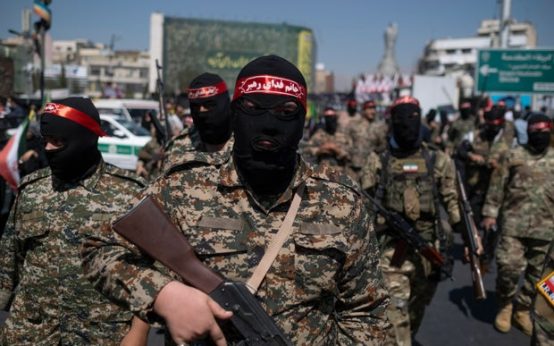 Tensions Escalate in Iran Conflict as Global Leaders Weigh Options
  White House Approves F-35 Sales to Saudi Arabia Amidst Regional Tensions
  Inside the Secret Deals Powering the President’s Push to Deport Migrants to Countries Not Their Own
  Navigating the Challenges of Third-Country Deportations
 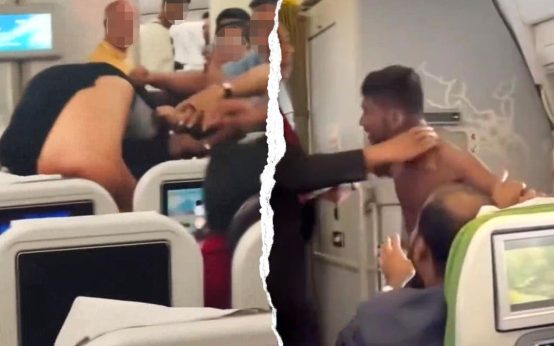 Midair Altercation on Bangladesh to London Flight