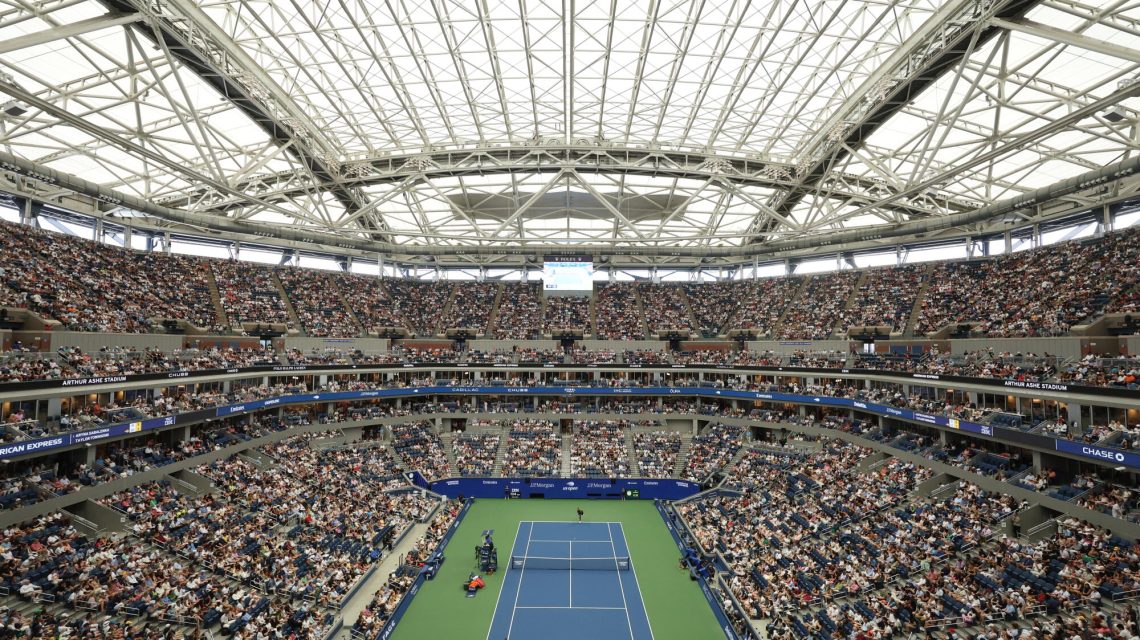
Matches ending late at night and the constant noise inside Arthur Ashe and Louis Armstrong stadiums are hallmarks of the U.S. Open. Social media influencers even add to the commotion by creating content during points. Recently, the smell of marijuana became strong enough to prompt a complaint from the world’s No. 1 player to the chair umpire.
The U.S. Open is known as the loudest and boldest of the four Grand Slam tournaments. Yet, this year, a question arises: when does the lively atmosphere overshadow the tennis matches?
Top-ranked American and No. 3 seed Jessica Pegula shared her view on the chaotic environment. She believes it reflects New York’s character but suggests that some aspects need better management to prevent disruptions during matches.
Aryna Sabalenka’s Experience
Aryna Sabalenka, a two-time defending champion from Belarus, noted the impact of such distractions during her third-round victory over Kamilla Rakhimova. The smell of marijuana led her to stop play and address the issue with the chair umpire. Sabalenka asked fans, “Please, do not do it around the tennis courts.” For players, handling such intrusions while trying to compete at their best is challenging.
Noise, odors, and general mayhem have always been a part of the tournament since it moved to Flushing Meadows in 1978. Sounds from nearby LaGuardia Airport and trains have long contributed to the ambiance. Late nights with boisterous fans add to the overall chaos.
In 1979, the tournament faced one of its most tumultuous nights during a second-round match between Ilie Nastase and John McEnroe. After the chair umpire penalized Nastase, a crowd revolt ensued, resulting in the temporary removal of the umpire. The match resumed after a 20-minute interruption, continuing the legacy of rowdy crowds and disruptions.
Impact of Social Media and Influencers
The presence of influencers at this year’s event has drawn attention, particularly during Naomi Osaka’s opening match. A group was seen making videos and using lights during play, sparking debate about their influence on the tennis tradition. Osaka acknowledged the potential for introducing new audiences to the sport but emphasized the need for respect.
No. 4 seed Coco Gauff supports a similar view, recommending that brands educate influencers on tennis etiquette, which includes avoiding flash photography and excessive talk during points. Gauff compares following proper etiquette to dressing appropriately for a formal event.
Some players say distractions influence their ability to perform. Marta Kostyuk noted the constant noise can initially overwhelm and make it hard to focus. Alex de Minaur echoed similar sentiments, pointing out difficulties in hearing the ball during play.
Challenges of Scheduling
Besides noise and distractions, the tournament’s scheduling raises concerns. Some matches stretch into the early hours, questioning the feasibility of athletes competing so late. For instance, Venus Williams and Sofia Kenin’s first-round match began past midnight, marking a new record.
Although many players find the long nights challenging, some, like Learner Tien, thrive in the lively environment. Tien appreciates the spirited atmosphere during matches, even as others call for proper behavior from spectators.
Embracing the Madness
Aryna Sabalenka enjoys the noise, which she sees as central to the U.S. Open experience. The contrast between the spirited nature of the U.S. Open and the more reserved atmospheres of Wimbledon and the French Open highlights a gap between sport and spectacle.
New USTA chief executive Craig Tiley aims to enhance this thrilling aspect by making the U.S. Open a “tennis Disneyland.” He desires to attract younger audiences familiar with dynamic environments from other sports.
Jessica Pegula believes that learning tennis etiquette is crucial for newcomers. As more attention is drawn to the tradition, those attending future matches may become better informed.
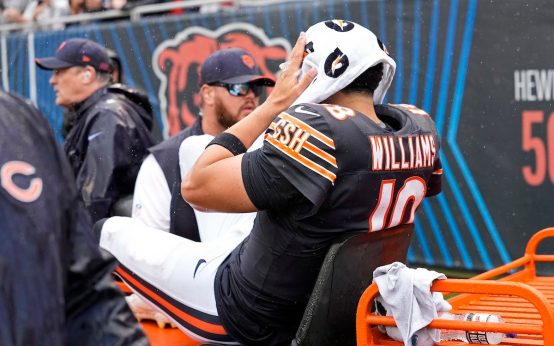 Chicago Bears Struggle After Caleb Williams’ Injury
  Jayden Daniels Suffers Elbow Injury; Marcus Mariota Set to Start
 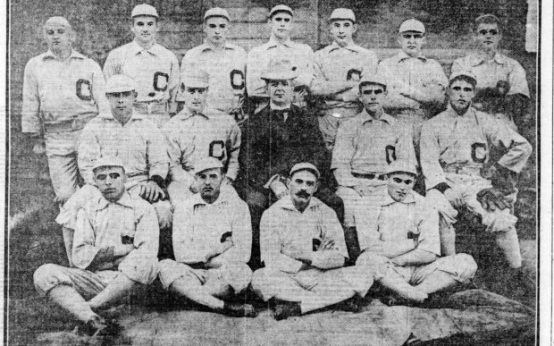 Significant Events in Chicago History on September 21
  Patriots Rookie Gabe Jacas Shines Against Aaron Rodgers
 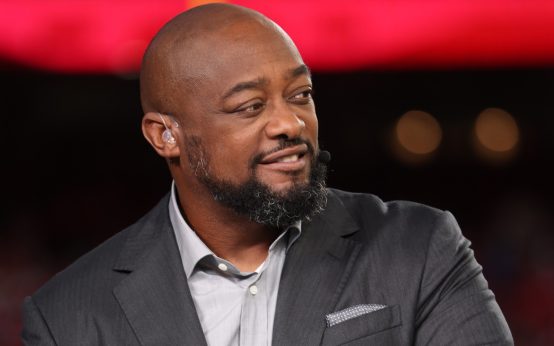 Pittsburgh Steelers Face Offensive Struggles in Post-Tomlin Era
  CeeDee Lamb Leads Dallas Cowboys to Victory Over Washington Commanders