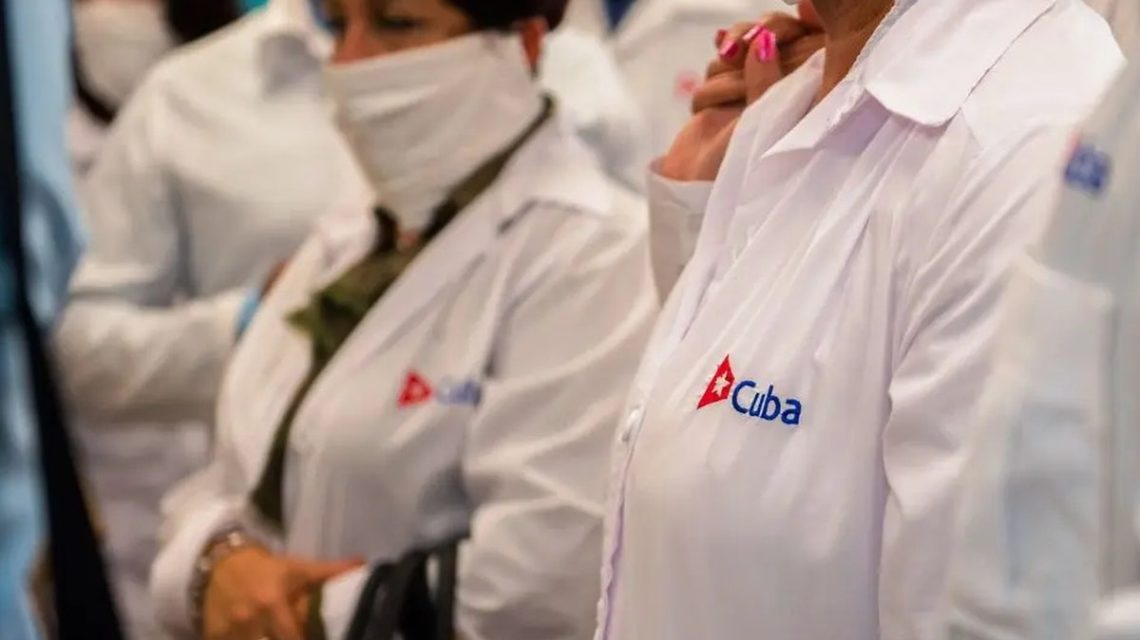
A new U.S. law, passed by Congress in February 2026, penalizes countries involved in the human trafficking of Cuban doctors by the Castro regime’s medical missions. A similar law for the fiscal year 2027 awaits a vote in the House.
Cuba has long exploited its medical professionals, making billions by coercing them to work under harsh conditions. The doctors receive little compensation as the regime retains 75-95% of their wages. Annually, this program generates an estimated $4-8 billion for the Cuban government.
The U.S. State Department reveals that Cuban authorities confiscate doctors’ passports. Families remain in Cuba as leverage, with handlers overseeing the doctors and potential punishment if a doctor defects. The State Department labeled the program exploitative in 2010 and designated it as “human trafficking” and “forced labor” in 2020.
The U.S. targets countries paying for these exploited workers. If a country remains on the list for two consecutive years, it loses all U.S. foreign aid. Officials may face travel bans, and their U.S. assets could be frozen.
The Consolidated Appropriations Act of 2026 addresses nations endorsing this exploitation. The State Department must list and notify these countries or groups.
Already, countries like Guatemala, Jamaica, Guyana, and Honduras are reevaluating their use of Cuban doctors. Some, like the Bahamas, attempt to pay doctors directly, a method previously rejected by the Cuban regime.
Under the Trump administration, visa restrictions targeted officials from Brazil, Grenada, and several African nations involved with the program. This legislation ensures accountability, exposing and penalizing those complicit in the program with loss of U.S. aid, travel bans, and financial sanctions.
The law strongly supports the Cuban people by protecting doctors from exploitation and cutting a key financial source for the regime. Rep. Mario Díaz-Balart, vice chair of the House Appropriations Committee and chair of its Subcommittee on National Security, Department of State, and Related Programs, emphasizes this initiative.
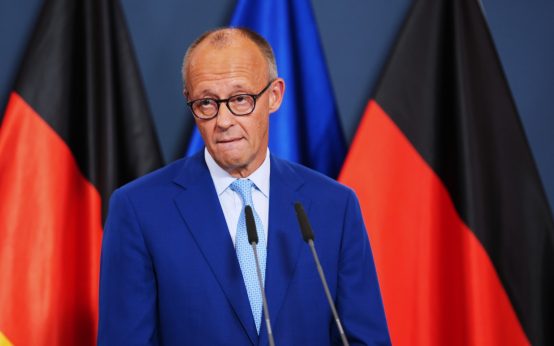 Merz Stays Resolute Amid Electoral Shifts in Germany
  The Impact of Arts and Closure on Democracy
 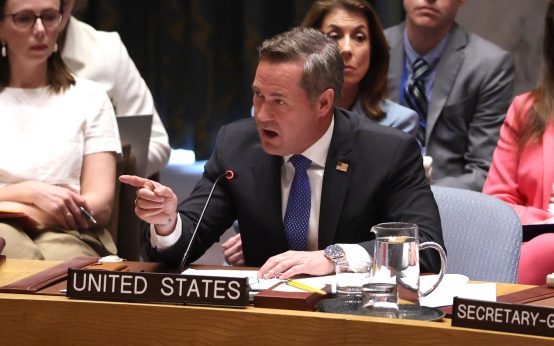 U.S. Ambassador Comments on Iran War Duration Amid Political Concerns
 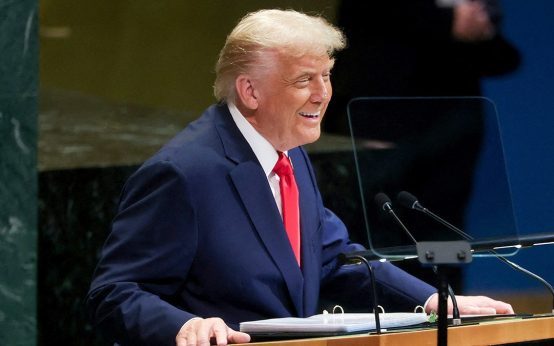 U.S.-Iran Relations and Diplomacy at Upcoming U.N. Assembly
 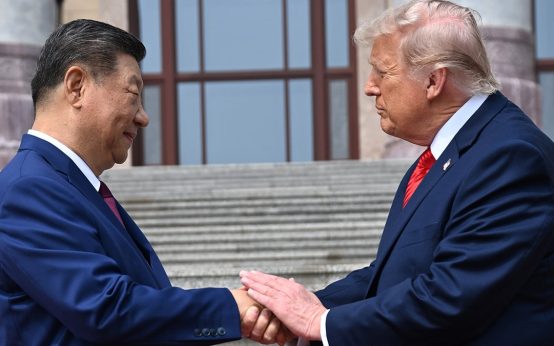 US-China Relations Under Scrutiny: Expert Warns of Escalating Tensions
 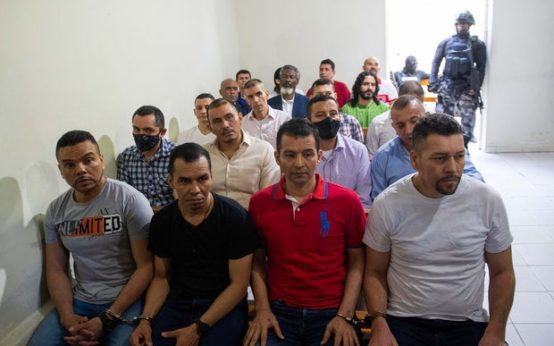 Extradition of Suspects in Haitian President’s Assassination