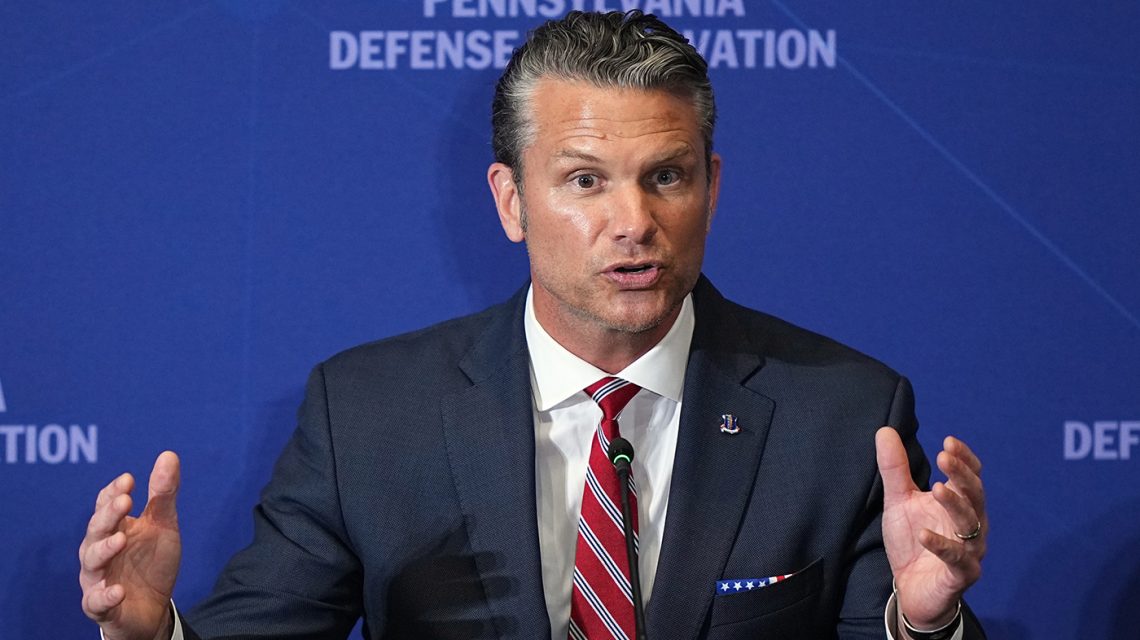
Defense Secretary Pete Hegseth addressed the audience at the United States Army War College in Carlisle, Pennsylvania, during the Pennsylvania Defense and Innovation Summit on July 15, 2026. On the same day, a federal judicial panel made a significant decision regarding press freedom at the Pentagon.
A three-judge panel from the U.S. Court of Appeals for the D.C. Circuit reversed a lower court’s ruling, maintaining the Department of Defense’s requirement that journalists must be escorted by government personnel within the Pentagon. This decision impacted a lawsuit initiated by The New York Times, which argued that the escort policy infringed on the First Amendment rights of the press.
On Thursday evening, the panel released an order indicating that Defense Department officials are likely to demonstrate that the escort requirement does not constitute illegal retaliation against journalists. This view represents a setback for media outlets like The New York Times, which argued that mandatory escorts impeded their ability to conduct spontaneous, informal interactions essential for reporting.
The complaint from The New York Times expressed concerns over how the ruling affects their storytelling capabilities. Reports derived from unexpected interactions, multiple discussions with Pentagon press officers, and insights into the atmosphere during military operations become difficult under the escort rule.
Pentagon representatives argue the escort changes are crucial to preventing leaks of classified information and safeguarding national security. The judicial panel featured judges appointed by Presidents George H.W. Bush, Barack Obama, and Joe Biden, with Biden’s appointee dissenting.
The appellate court’s decision overruled District Court Judge Paul L. Friedman, who previously described the escort requirement as a misinterpretation of the First Amendment. The Times, expressing disappointment, acknowledged the expedited appeal process and looked forward to further litigation.
The tension between Pentagon authorities and journalists has escalated since the second Trump administration. Traditionally, journalists could access public areas of the Pentagon, where they attended briefings and engaged with officials. However, in October, numerous reporters returned their press credentials rather than comply with a new policy. The updated policy required them to promise not to seek unauthorized material, risking loss of credentials if violated.
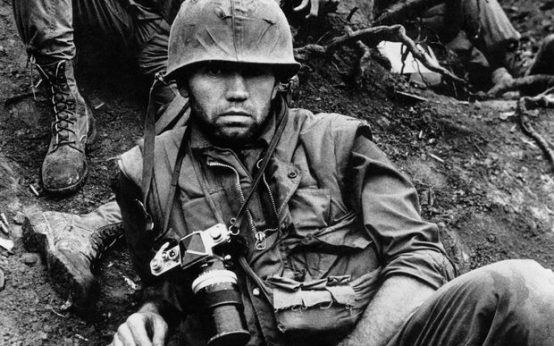 Don McCullin’s Final Book: A Pioneering War Photographer’s Legacy
 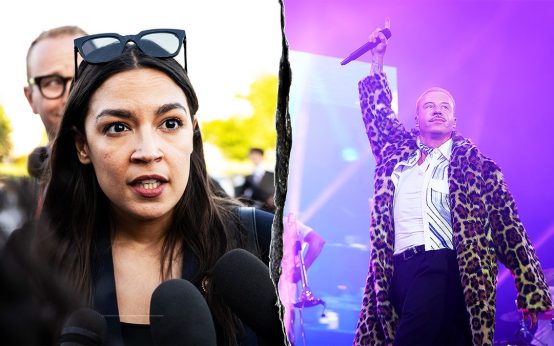 Rep. Alexandria Ocasio-Cortez Defends Macklemore Amid Tour Controversy
  Potential Impact of Tropical Storm Polo on Southern California
 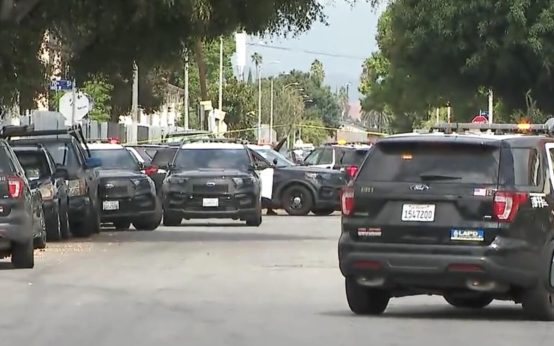 Shooting Incident at South Los Angeles Senior Assisted Living Facility
  Legal Challenges in Pursuing a Wrongful Death Claim Against Utah Valley University
  Man Arrested After Fatal Stabbing on Chicago’s South Side