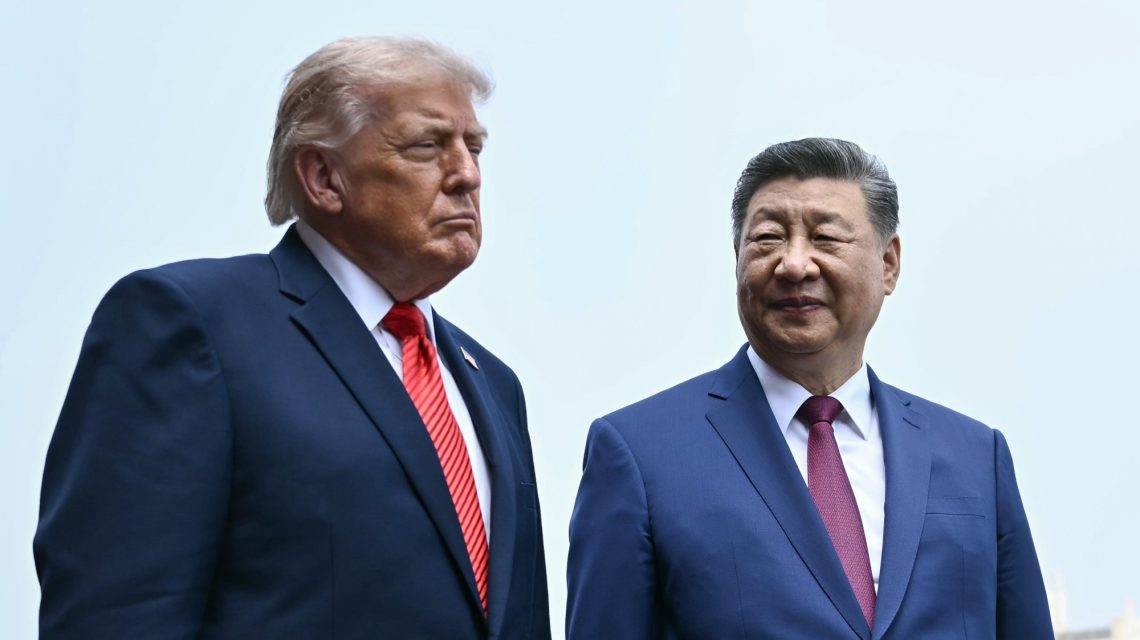
The upcoming summit between U.S. President Donald Trump and Chinese leader Xi Jinping in Washington holds significant potential for major developments. These meetings often influence historical international events. The choice of Washington as the venue offers a slight advantage to the U.S. national interest and long-term international security.
Historically, U.S. presidents, including Richard Nixon and Bill Clinton, have made concessions to China concerning Taiwan’s status. Nixon started the formal de-recognition of Taiwan with the Shanghai Communiqué. Clinton’s 1998 visit resulted in announcing the “three nos”: no U.S. support for Taiwan independence, no “Two Chinas” policy, and no support for Taiwan’s involvement in international organizations.
Meeting Xi in the U.S., particularly before the midterm elections, potentially benefits Trump. However, Trump risks losing this advantage if he appears desperate for a trade deal to boost Republican prospects. His focus on a successful trade agreement might lead him to concede rhetorically on Taiwan, damaging his political standing.
Xi has already cautioned Trump regarding Taiwan, and Trump has responded by emphasizing their “great” relationship. This approach mirrors his earlier stance on Xi’s intentions during the COVID pandemic. Despite Xi’s deceptions, Trump previously expressed only mild dissatisfaction.
Trump’s negotiating position with Xi is weakening as his electoral prospects decline. This dynamic could allow Xi to offer a modest trade concession for language on Taiwan, such as halting military operations in the Taiwan Strait. Trump needs to reject any such proposal to maintain U.S. strategic interests.
Trump might consider a bold strategy. Once Xi arrives in Washington, Trump could propose a resolution to the Taiwan issue in his welcoming remarks. He could ask Xi to renounce permanently the use of force against Taiwan. In return, Taiwan would pledge not to seek formal independence for ten years or until Xi is no longer in office.
Under this plan, Taiwan would keep its independence and democratic system, with full U.S. military support. Trump would promise to recognize Taiwan’s independence if China uses force against it, challenging China’s stance that “independence means war.” This explicit commitment marks a departure from Washington’s policy of strategic ambiguity.
Joseph Bosco served as China country director for the secretary of Defense from 2005 to 2006 and as Asia-Pacific director of humanitarian assistance and disaster relief from 2009 to 2010. He is a nonresident fellow at the Institute for Corean-American Studies, a member of the advisory board of the Global Taiwan Institute, and a member of the advisory board of the Vandenberg Coalition.
 Vice President JD Vance’s Task Force Targets Fraudulent Enrollments in Health Care Program
  Utah Senator Urges Judiciary Committee to Investigate Presidential Family Ties
 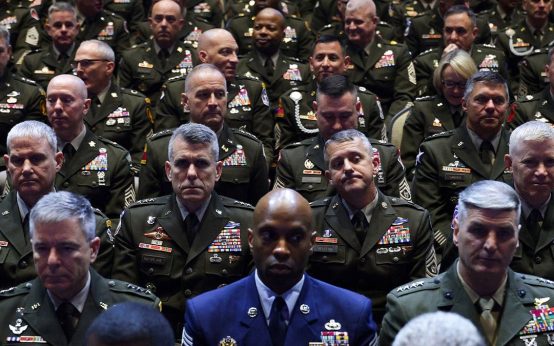 Pentagon Implements New Assessment for General Promotions
 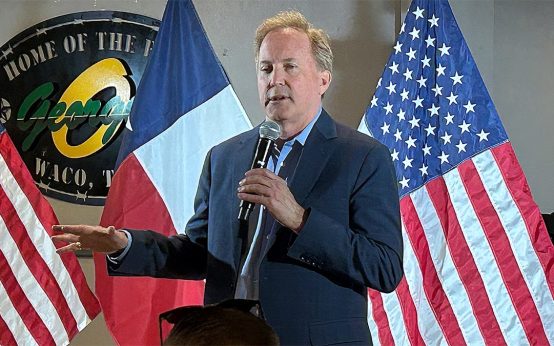 Bush and Cornyn: Fundraising Dynamics in Texas Politics
 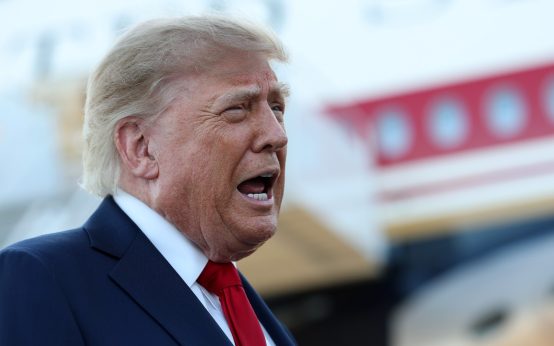 Lawsuit Filed Against Trump Over Truth Social Subscriber Program
  Political Shifts and Leadership Challenges in U.S. Politics