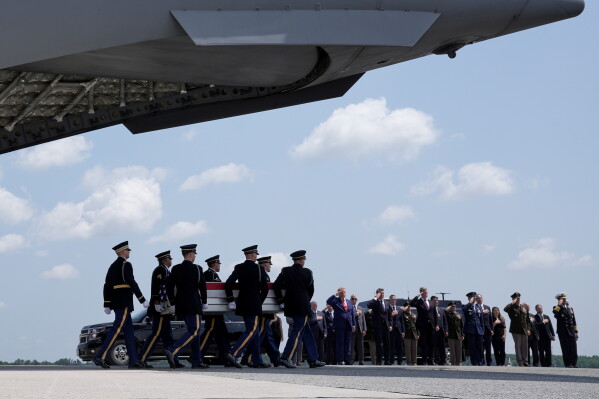
The United States and Iran have paused military attacks for two consecutive days as diplomatic efforts continue to resume negotiations on an interim ceasefire deal. This ceasefire agreement has been strained due to recent hostilities.
The U.S. paused operations after targeting Iranian coastal areas and infrastructure following Iran’s aggressive actions in the Strait of Hormuz. The motive behind the U.S. halt remains unclear, and the Pentagon has not provided comments.
Mike Waltz, the U.S. ambassador to the United Nations, stated on Fox News that President Donald Trump is allowing some room for diplomacy. Waltz mentioned Oman, Iran, and other negotiators are actively engaged at various levels to ease tensions.
Waltz refuted suggestions that the U.S. supply of interceptors required for defense was dwindling, though experts question the sustainability of ongoing attacks by both nations.
Since the U.S. paused attacks, Iran has reciprocated, according to Iran’s army spokesperson on state television. Recently, Iran retaliated against countries hosting U.S. forces, resulting in casualties of service members in Jordan and Iraq.
A regional official described the pause as a ‘positive signal’ for mediation efforts aimed at de-escalation.
The ceasefire period initiated in mid-June is over halfway through its duration, yet pivotal issues like Iran’s nuclear program remain unresolved. Mediators are focusing on sustaining dialogue between both nations.
According to a regional official, diplomatic engagement is ongoing. The pause in military strikes is seen as encouraging for negotiations. There is a prospective compromise involving Iran overseeing ship transits through the Strait of Hormuz with reduced restrictions.
Shipping traffic in the strait is at a three-week low, raising concerns about global energy supplies and economic impacts. The Bab al-Mandeb waterway is also under threat due to Iranian-backed Houthi rebels proposing a blockade.
The U.S. Navy reported that recent commercial shipping in the Strait of Hormuz has not encountered new attacks, and traffic in the Bab el-Mandeb remains stable. Iran continues discussions with Oman regarding safe ship passage through the strait.
Esmail Baghaei of Iran’s Foreign Ministry noted progress in talks with Oman, although the status quo of the strait remains unchanged. Tehran insists on its management role as per the interim agreement with the U.S., while opposing U.S. efforts to divert ship routes closer to Oman.
Meanwhile, the U.S. military maintains a naval blockade against Iran. Dozens of commercial ships have been redirected, with some disabled and boarded. The U.S. military emphasizes its vigilance and readiness.
Israeli Prime Minister Benjamin Netanyahu plans to meet President Trump in Washington. Netanyahu supports Trump’s initiatives to diminish Iran’s influence and encourages peaceful resolutions over military actions.
Netanyahu cautioned against any Iranian aggression towards Israel, warning of severe consequences.
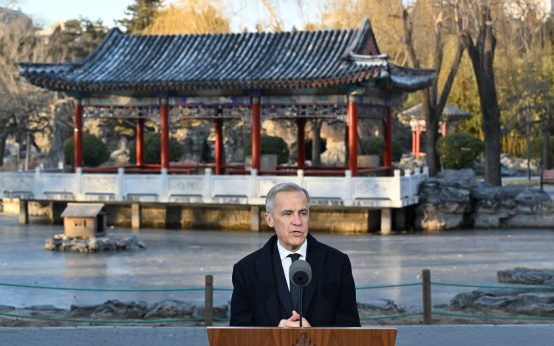 Canada’s Tariff on Chinese Electric Vehicles: Business Influence and Security Concerns
  The Cost of Challenging Beijing
 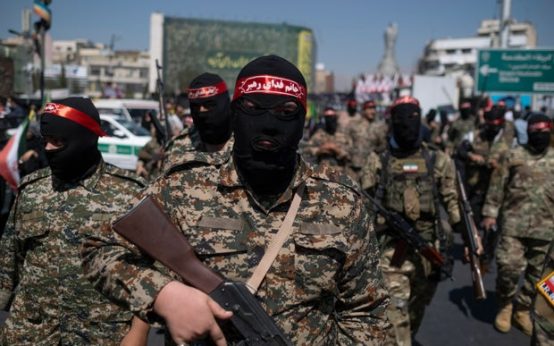 Tensions Escalate in Iran Conflict as Global Leaders Weigh Options
 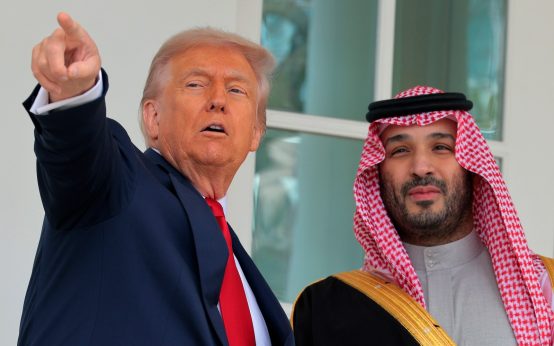 White House Approves F-35 Sales to Saudi Arabia Amidst Regional Tensions
  Inside the Secret Deals Powering the President’s Push to Deport Migrants to Countries Not Their Own
  Navigating the Challenges of Third-Country Deportations