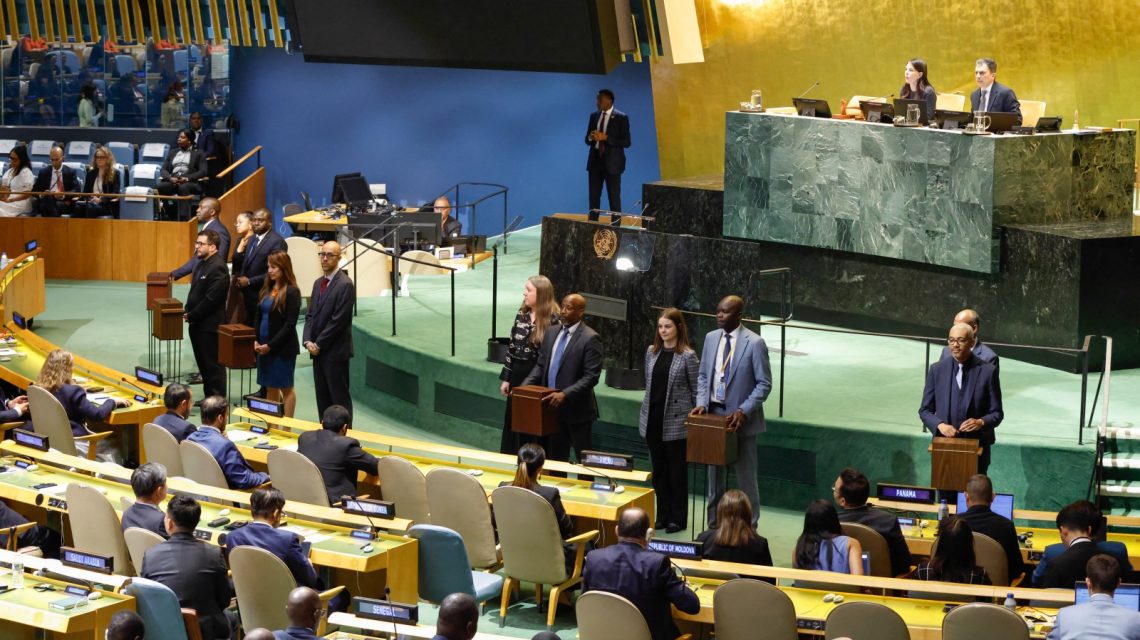
The United Nations has taken a significant step to improve its financial situation by stopping refunds to member nations, regardless of their contributions to the organization’s budget. Historically, for over seventy years, the U.N. refunded unspent funds to its members to prevent excessive accumulation at its New York headquarters. However, recent years saw this practice extend even to countries that were late or defaulted on their payments.
This refund policy change comes as the U.N. grapples with major financial difficulties, exacerbated by the non-payment from the U.S., which accounts for 22% of its budget contributions. According to the Wall Street Journal, China is also delaying payments, owing about $400 million. Due to these issues, Secretary-General António Guterres has warned of an impending financial collapse and stated that the organization was in a “race to bankruptcy.” The U.N. General Assembly voted on Tuesday to revise this budget rule, aiming to mitigate the financial strain.
Annalena Baerbock, the President of the General Assembly, highlighted the “Kafkaesque financial rule of reimbursing funds never received,” which she said had led to an “existential liquidity crisis.”
Following Tuesday’s decision, Baerbock confirmed that the Assembly had managed to prevent the immediate financial breakdown of the U.N.
Financial Challenges for the U.N.
U.N. membership dues are mandatory, calculated based on a member’s gross domestic product. Under President Donald Trump, the U.S. showed dissatisfaction with the U.N.’s spending and withdrew from several agencies, including the U.N. Population Fund. Trump also promised to cut financial support for peacekeeping missions.
Most of the U.N.’s outstanding debts, nearly 95% or about $2.2 billion, are attributed to the United States, as reported by The New York Times citing a senior U.N. officer. By the end of 2025, the U.N. recorded a peak of $1.6 billion in unpaid fees, according to a recent financial report. Cumulative arrears, including those for peacekeeping and international tribunals, surpassed $6.5 billion.
In early January, the U.N. warned that without payment, especially from the U.S., it might need to shut down its New York headquarters by July. In December, the U.N. General Assembly approved a $3.45 billion budget to fund peace, development, and human rights initiatives. Guterres praised the recent ruling, emphasizing its importance for predictable management of resources, particularly for peacekeeping endeavors.
 The Cost of Challenging Beijing
 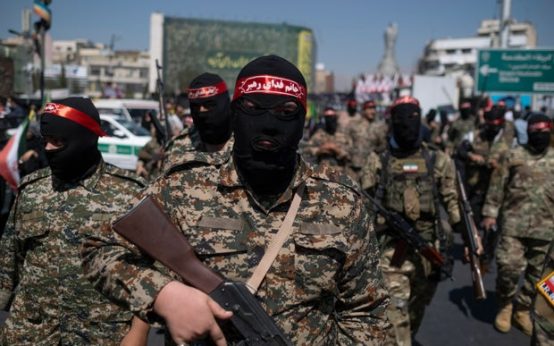 Tensions Escalate in Iran Conflict as Global Leaders Weigh Options
 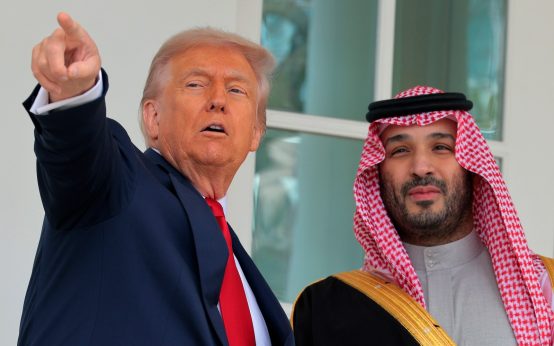 White House Approves F-35 Sales to Saudi Arabia Amidst Regional Tensions
  Inside the Secret Deals Powering the President’s Push to Deport Migrants to Countries Not Their Own
  Navigating the Challenges of Third-Country Deportations
  Midair Altercation on Bangladesh to London Flight