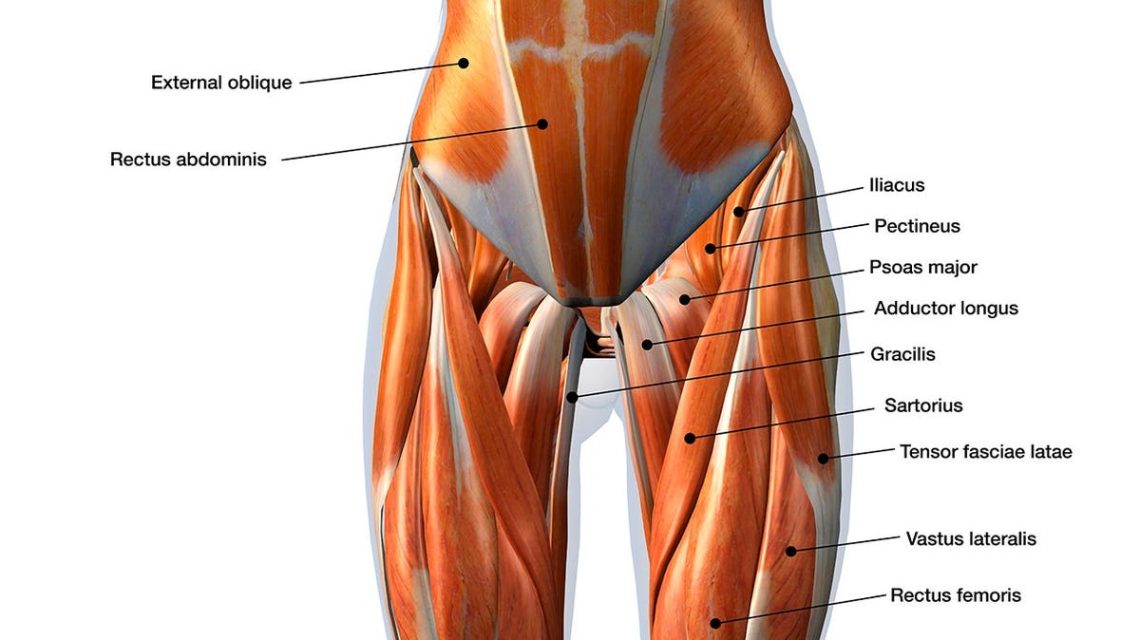
Two undergraduate students at Tulane University, Dominic Roy and Cooper Bruce, made a surprising discovery that puzzled even their professor. While volunteering in a cadaver lab, they identified an unknown anatomical feature in the human hip. The students, then both 19 years old, stumbled upon this finding in 2024 while dissecting hips.
Roy and Bruce’s task was to explore how the iliacus joins the psoas major, a key muscle extending from the lower back through the pelvis to the upper thigh. While searching for the iliocapsularis muscle, Roy discovered something unexpected nearby. He alerted Dr. R. Shane Tubbs, a professor and neurosurgery expert at Tulane, who was equally surprised by the find.
“I called Dr. Tubbs over and asked, ‘What is this?’ We didn’t talk about this in our morning meetings,” Roy recalled. Both professor and students were intrigued by this unidentified muscle.
The team reviewed literature and textbooks but found no prior records of the muscle, suggesting a possible new anatomical discovery. Medical students and doctors from abroad gathered around the specimen to examine the unusual finding.
The discovery, recently published in the journal Clinical Anatomy, caught the attention of Dr. Tubbs, co-editor-in-chief of Gray’s Anatomy. He described the finding as ‘serendipity,’ noting its location deep in the pelvis extending to the hip area.
Implications for Medicine
Though the muscle’s function remains unclear, it may help stabilize the psoas major, which is crucial for hip movement. Researchers hope to use MRI scans to link this feature to specific symptoms.
“More research is needed for us to better elucidate what it does,” Tubbs said. Knowing this muscle could improve care, especially for hip surgeries. Increased awareness might lead to new rehabilitation techniques or direct physical therapy interventions to address the muscle.
An understanding of this muscle could enhance hip pain treatments. Doctors might use injections to manage muscle overactivity and related pain. This discovery could thus advance surgical and treatment options.
Human Variation and Evolution
This muscle does not appear in all individuals, highlighting human anatomical diversity. The same feature was found in gorillas, prompting questions about evolutionary development. Bruce speculated about lifestyle influences, such as athletics, shaping muscle presence.
Educational Impact
Studying real cadavers offers invaluable lessons that synthetic models cannot. Dr. Tubbs emphasized the importance of firsthand learning to prepare medical students for real-world patient care.
“Many people think we’ve known all the human anatomy for centuries, but discoveries like this show that understanding continues to evolve,” Tubbs said. “Educational involvement in such discoveries can inspire students like Roy and Bruce to pursue deeper study in medicine.”
Roy, inspired by the discovery, plans to advance his studies in anatomy further. This revelation underscores that anatomical exploration does not cease with textbooks and continues to progress.
 Meteor Lights Up Skies Over North Carolina and Tennessee
 Can AI Possess Consciousness and Emotion?
 NASA Opens Applications for Aspiring Astronauts
 Scrutiny and Leadership in Focus
 NASA Seeks Next Generation of Astronauts for Moon and Mars Missions
 Restoring Confidence in American Scientific Careers