The President of the United States, Donald Trump, has given the green light to an agreement with Saudi Arabia. The deal may provide the country with the capability to enrich uranium for civilian nuclear purposes. Two insiders familiar with the situation, but not authorized to speak publicly, indicated that the agreement might be publicly announced soon.
Agreement’s Implications
President Trump, on social media, emphasized that the nuclear deal with Saudi Arabia obliges the kingdom to normalize relations with Israel under the Abraham Accords. Trump stressed that the deal prohibits uranium enrichment. However, experts expressed concerns that the deal lacks measures to prevent uranium from being enriched to weapons-grade levels.
In Maine and Houston, recent shootings have intensified scrutiny over Immigration and Customs Enforcement (ICE). Critiques focus on insufficient oversight, especially after 10 fatalities occurred in encounters with immigration agents.
Budget Proposal and Political Tensions
The House of Representatives, led by Republicans, passed a $95 billion budget proposal. This aims to fund the conflict with Iran and other presidential priorities. While facing pushback from Democrats and some GOP members, Speaker Mike Johnson advanced with the process. The proposal’s approval remains uncertain, given the Senate’s skepticism.
The Abraham Accords, brokered during Trump’s tenure, sought to strengthen ties between Israel and several Arab nations. However, events such as the conflict in Gaza and ongoing tensions with Iran complicate efforts to expand the accords. Despite this, the Trump administration hopes to finalize an agreement with Saudi Arabia by the end of Trump’s term.
Geopolitical Challenges in the Middle East
Recent Houthi attacks on oil tankers further disrupt Middle Eastern stability. Striking vessels like the Encelia and Layla in the Red Sea, the Houthis escalated tensions in retaliation against Saudi Arabia’s blockade on Yemen. The Strait of Hormuz, a crucial oil shipping route, faces additional threats, influencing global oil prices.
Rubio highlighted ongoing efforts to resolve conflicts in Venezuela and Ukraine. The Trump administration expresses willingness to mediate but acknowledges challenges requiring fresh approaches.
Diplomatic and Military Developments
Rubio commented on renewed hostilities with Iran, indicating that Iran’s proposed deals were not viable. President Trump articulated a stern warning to Iran and the Houthis concerning attacks on ships, threatening significant retaliation if aggressive actions persist.
Furthermore, the new nuclear agreement between the U.S. and Saudi Arabia, signed by Energy Secretary Chris Wright and his Saudi counterpart, grants Saudi Arabia a foundation for developing uranium enrichment capabilities. This announcement raised proliferation concerns, yet the administration is determined to move forward.
Domestic Policy and Oversight
Domestically, House Democrats demand increased oversight of ICE. After incidents involving ICE officers using force, committee members have called for disciplinary actions and strengthened monitoring of the agency’s conduct.
The geopolitical environment, especially pertaining to Middle Eastern dynamics, introduces complexities into Trump’s administration initiatives. As oil prices react to global events, Trump navigates foreign policy challenges amid domestic scrutiny from various political and public sectors.
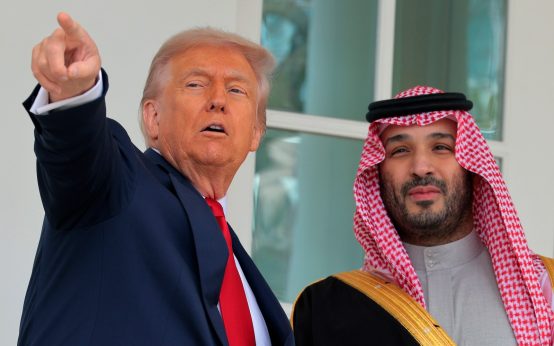 White House Approves F-35 Sales to Saudi Arabia Amidst Regional Tensions
  Shooting of DoorDash Delivery Driver by ICE Agent Raises Questions
 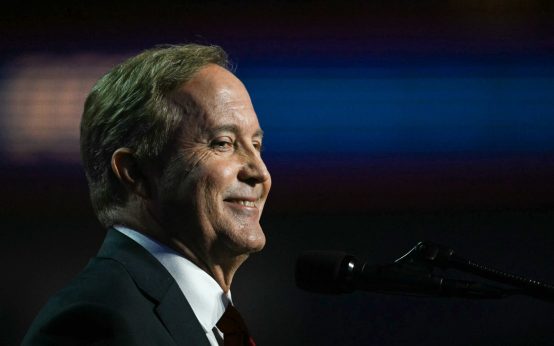 Ken Paxton’s Campaign Funding and Polls
  Inside the Secret Deals Powering the President’s Push to Deport Migrants to Countries Not Their Own
  Independence of Research from Political Agendas
  Growing Concerns Over Food Safety and National Security