New Talks Between Washington and Tehran: President Donald Trump has termed newly planned discussions with Iran as the ‘last chance’ for forging a deal, which could prevent further U.S. military strikes. Trump indicated addressing nuclear concerns and reopening the Strait of Hormuz are priorities.
In a speech on Monday, Trump outlined two phases: the first, reopening the straits, followed by efforts towards denuclearization. Trump noted these discussions will start soon.
Military Action and Allied Influence: While the U.S. military has significantly weakened Tehran’s leadership and armed forces, Iran believes time is on its side due to Trump’s decreasing ammunition stocks and the unpopular nature of war among American voters ahead of midterm elections.
During a Sunday briefing, Trump stated Iran and Gulf allies requested a pause on military actions. Those allies include Qatar, Saudi Arabia, and the United Arab Emirates. A major strike was scheduled to proceed, yet ultimately canceled at the urging of these nations and some Iranian officials.
Iran Negotiations: Trump has warned Iran that time is limited for an agreement. He criticized Iran publicly on social media, calling them ‘unbelievably duplicitous’ amidst claims of discussions with Oman solely regarding safe navigation routes.
Despite Iran’s public stance, Trump affirmed ongoing discussions about halting Iran’s nuclear weapons program.
Pattern of Threats and Restraint: Critics suggest Trump may reset his approach due to potentially insufficient U.S. military power alone to conclude the conflict. Democrats, such as Sen. Mark Kelly, describe his strategy as erratic, believing Trump’s threats spur progress.
Past incidents show Trump retracting aggressive threats: in April, shortly before a strike on Iranian infrastructure, a ceasefire emerged; in May, escalations paused for ‘serious negotiations’; in June, threats to seize Iranian oil holdings dissolved as talks resumed.
Saudi Influence: Communication with Saudi Crown Prince Mohammed bin Salman influenced Trump’s decision to postpone strikes. The prince highlighted ramifications on the global economy if Tehran retaliated against U.S. Gulf allies.
Saudi officials assured their defense readiness, alongside Qatar and UAE, but expressed concerns over Kuwait’s vulnerability.
Republican Concerns Amid Midterms: Trump maintains his strategy is not swayed by the approaching elections, but unease affects Republican sentiment. Polls show two-thirds of U.S. adults view the war unfavorably, including significant portions of Democrats, independents, and some Republicans.
On NBC’s ‘Meet the Press’, Sen. John Kennedy underscored U.S. military damage wrought in Iran while cautioning against costlier energy due to escalations, suggesting circumstantial sanction strategies suit present needs.
AP writers Melanie Lidman and Josh Boak contributed additional insights.
 American Public Opinion on Press Freedom
  Media Lawsuit Against Trump Administration for White House Ban
  The Cost of Challenging Beijing
  Analyzing Midterm Elections and Party Dynamics
 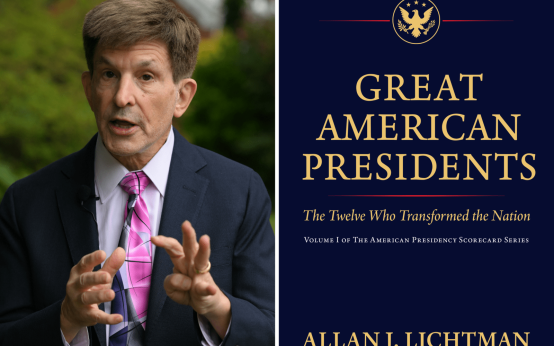 Allan Lichtman’s Framework for Assessing Presidential Greatness
  Florida Senate Race Tightens as Recent Polls Show Dead Heat