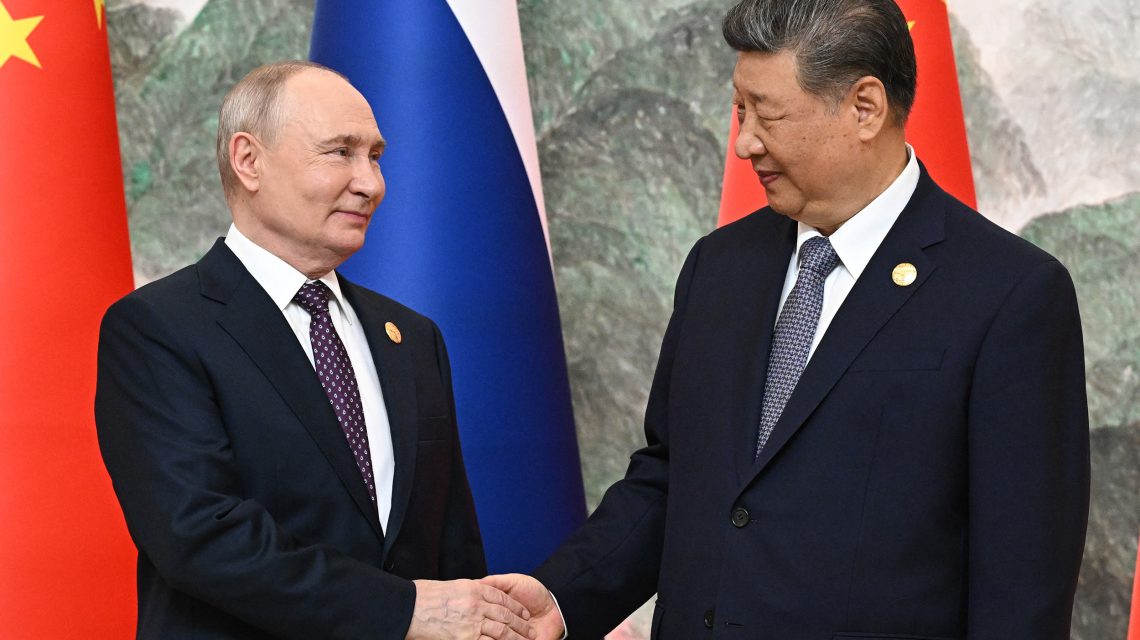
President Donald Trump, Chinese President Xi Jinping, and Russian President Vladimir Putin are set to meet on the sidelines of the Asia-Pacific Economic Cooperation (APEC) forum in Shenzhen. This unprecedented gathering draws global attention as it may shape discussions on critical issues like Ukraine and global AI governance.
Xi Welcomes Trump
In a rare diplomatic gesture, Xi Jinping greeted Trump as he descended from Air Force One. The Chinese leader’s welcome included a red carpet, a military guard, and a martial band, signaling respect and potential collaboration with the American president.
Putin’s Expectations
Russian President Vladimir Putin expressed optimism for the trilateral talks with Trump and Xi. Speaking at the APEC meeting, he anticipated significant benefits from the discussions. Putin and Xi engaged in a bilateral meeting lasting over two hours, emphasizing their strategic ties.
Trump’s Arrival and Agenda
Trump has arrived in Shenzhen after attending the ASEAN Summit in Manila. His agenda includes pivotal meetings with Xi and Putin, amid pressures from domestic and international challenges, such as conflicts in Europe and the Middle East.
Trump’s Trade Efforts
During his Manila visit, Trump highlighted a new trade agreement with the Philippines, marking potential advancements for American agriculture and energy sectors. The Philippines acknowledged progress in energy and food security cooperation without detailing the agreement.
Putin Criticizes Europe’s Condition
Putin criticized Europe, claiming it faces a ‘humiliating decline,’ following Ukraine’s strategic blow to the Kerch Bridge. He argued that sanctions, intended to weaken Russia, have strengthened it instead. Meanwhile, Xi cautioned against protectionism in response to U.S. chip restrictions.
The Upcoming Trilateral Meeting
The meeting of these nuclear power leaders holds significant stakes, focusing on global stability and power dynamics. Observers will analyze its implications for future diplomacy and conflict resolution.
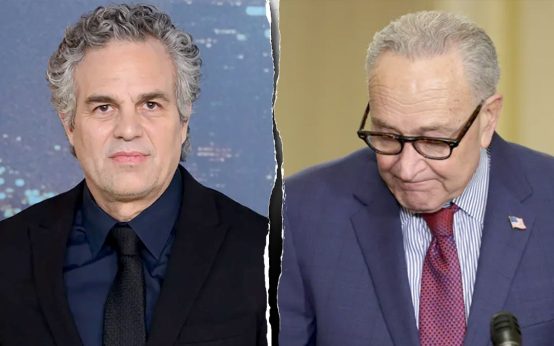 Mark Ruffalo Faces Backlash After Criticizing Sen. Chuck Schumer
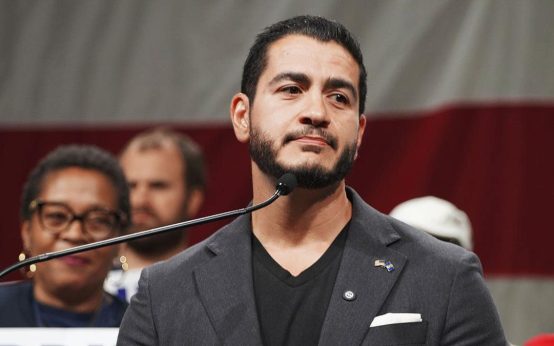 El-Sayed Questions Israel’s Identity as Democratic or Jewish State
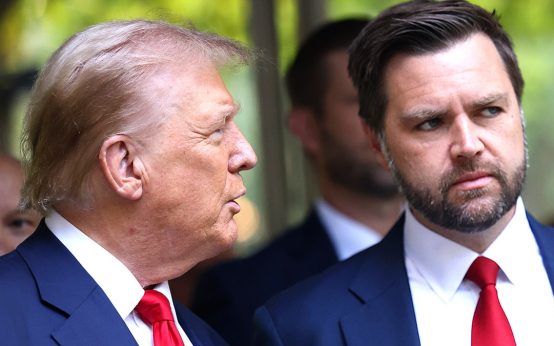 Trump Comments on Increased Iranian Drone and Missile Activity
 Latest Developments on Political and International News
 Mass Shooting at Private Concert in Tulare County Injures Nine
 Key Global Developments: Space, Politics, and Policy