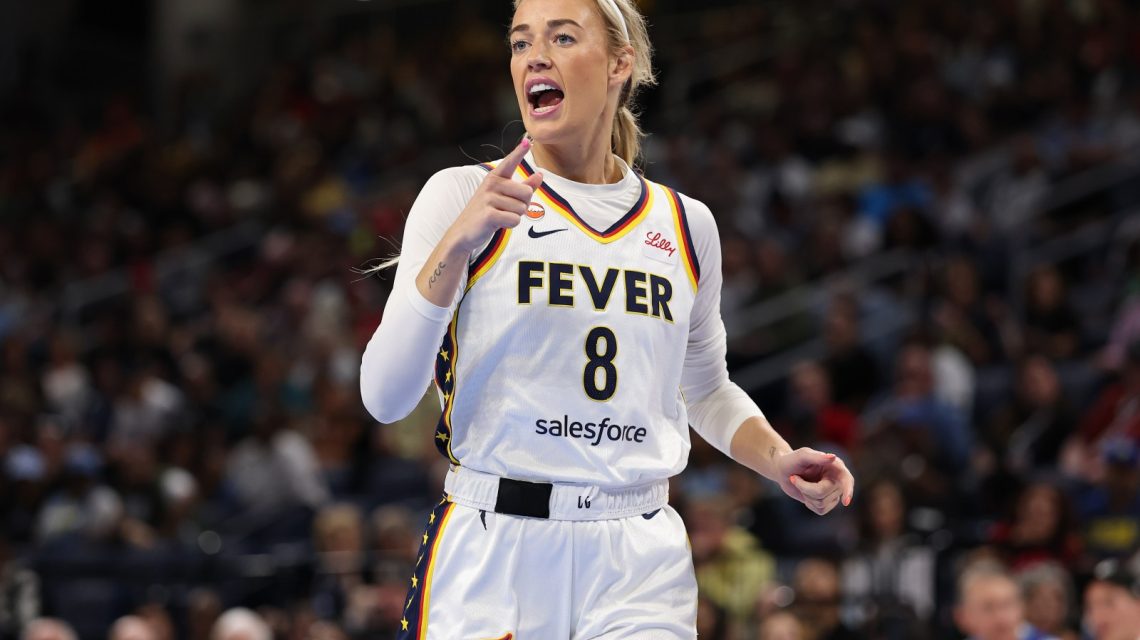
The Women’s National Basketball Association (WNBA) is facing significant challenges regarding its identity. Nearly three decades after its inception, the league struggles with defining ‘woman’ clearly, which has led to public debates and controversies.
The WNBA was created to provide a platform for female athletes who have long sought recognition and opportunities in professional sports. Yet, the current situation has left many questioning the league’s commitment to celebrating women.
A crucial issue is the perceived ambiguity in the league’s understanding of what constitutes a woman. Many argue that this question is straightforward and needs no debate. The definition is, simply put, an adult human female.
“I had to remind Tim Walz, a sitting governor, of this definition during a hearing,” the writer expresses frustration over the lack of clarity from influential figures.
The controversy intensifies with political influences, as some argue that recent discussions blur the lines of gender definitions, impacting schools, sports events, and societal norms.
Indiana Fever’s Sophie Cunningham voiced concerns about the fairness in sports competitions. Cunningham emphasized that girls should not compete against biological males, stating this as a matter of common sense, although she faced backlash for her stance.
Despite the uproar, protests have erupted, and the WNBA has assembled a task force to address the issue, yet no resolution has been reached. Public demonstrations, like those by former NBA players Enes Kanter Freedom and Royce White declaring for the WNBA draft, highlight inconsistencies in the league’s policies regarding eligibility.
Additionally, there have been incidents where spectators, such as a mother and daughter, faced actions for wearing shirts deemed offensive at women’s sporting events, spotlighting tensions at games.
The core concern is protecting female athletes’ rights and ensuring fair competition. The league’s future depends on its ability to remember and reinforce its foundational purpose, which lies in prioritizing and advocating for women in sports.
Nancy Mace, a Republican representative from South Carolina, advocates the view that biological men should not participate in women’s sports, emphasizing the importance of reality over perceived prejudice.
Ultimately, the WNBA’s challenge lies in reconciling its mission with evolving societal discourses while being true to the principles that established it.
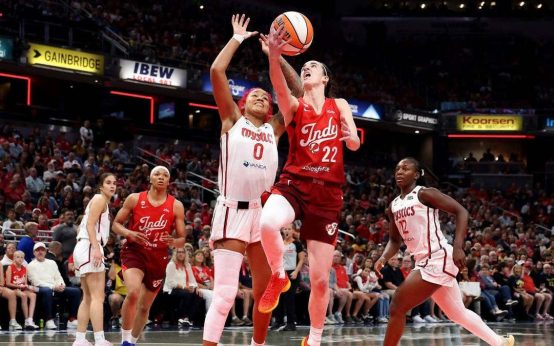 Indiana Fever’s Struggles Against Washington Mystics
 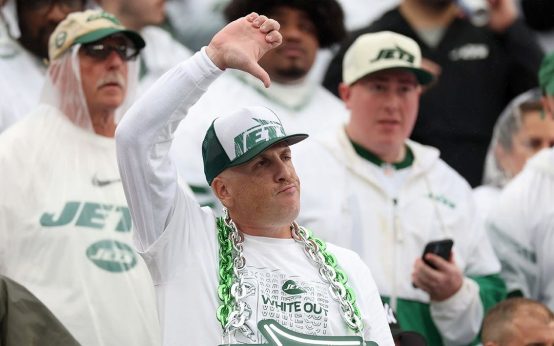 New York Jets Fall to Green Bay Packers After Fourth-Quarter Collapse
 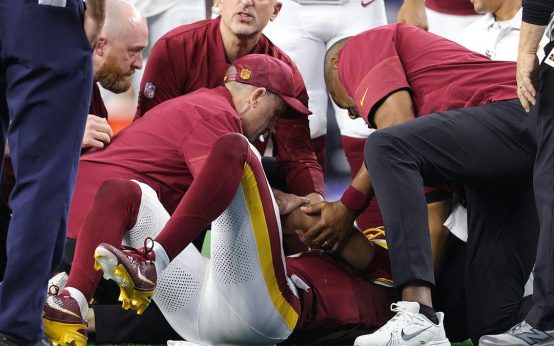 Washington Commanders’ Jayden Daniels Faces Potentially Season-Defining Elbow Injury
 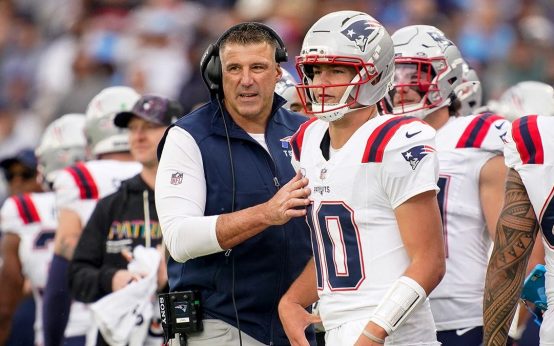 Patriots Secure Win Against Steelers Amid Quarterback Questions
 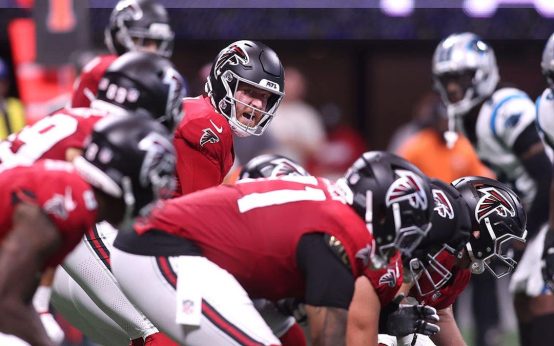 Atlanta Falcons’ Quarterback Struggles Continue
 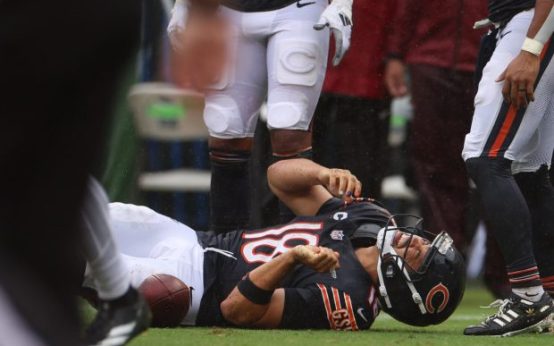 Caleb Williams Suffers Injury During Game Against Vikings