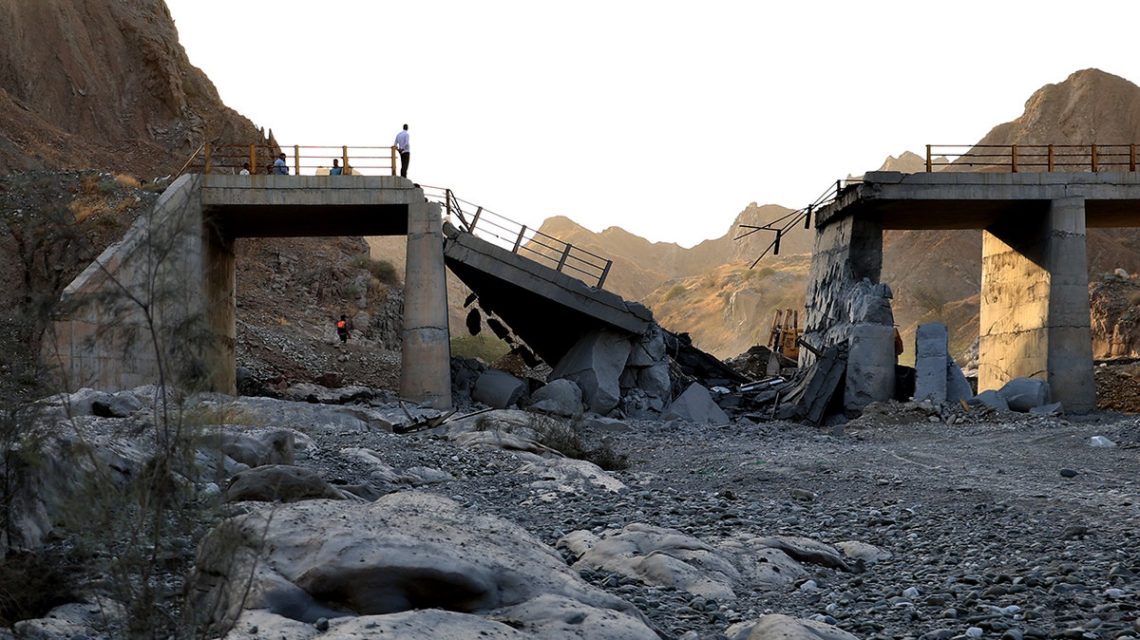
The United States is currently engaged in a prolonged standoff with Iran, a situation that has persisted for decades. The current dynamics offer an opportunity to cause significant damage to the regime’s regional ambitions and curb its long-standing threat to U.S. interests.
In recent weeks, former President Trump adopted a strategy focused on increasing economic pressure on Iran. The Treasury Department implemented measures to cut Iran from its oil revenue sources. These sanctions target oil brokers and tanker operators in countries like China and India. They also focus on Iran’s shadow fleet and financial networks involved in illicit activities.
American economic measures are supported by a U.S. Navy blockade of Iranian ports. Over 20 warships and hundreds of aircraft are involved, costing Iran millions daily. Additionally, the U.S. employs tactical air strikes and military actions aimed at weakening the Islamic Revolutionary Guard Corps (IRGC) and other military assets.
Diplomatic efforts continue, involving intermediaries such as Pakistan and Qatar. These efforts aim to negotiate a sustainable ceasefire. However, Iran’s recent actions, including blocking the Strait of Hormuz, suggest diplomacy may struggle to bring a lasting resolution.
The IRGC leaders in Iran are likely to challenge any agreements, echoing their conduct after the 2015 nuclear deal.
The U.S. ‘maximum pressure’ strategy heavily impacts Iran’s regime. Before intensified strikes with Israel, the Iranian economy was already struggling due to mismanagement and corruption. This mismanagement fueled several large protests since 2018. Government forces have used lethal force to suppress these demonstrations, highlighting governmental weakness and instability.
The regime’s leadership is in turmoil. Supreme Leader Ayatollah Ali Khamenei’s death and the casualties among senior commanders have left the IRGC in control but conflict-ridden. This instability in leadership affects their approach to negotiations with the U.S.
The Mossad’s penetration of Iran’s security network adds to the regime’s fears. Senior officials are aware of the threat to their positions from foreign intelligence activities.
The economic crisis under the U.S. strategy may lead to more unrest. Questions arise about the sustainability of paychecks for government forces and whether they will continue to suppress citizens. A collapse of the regime could result in significant upheaval across the region, necessitating preparedness from the U.S. and its allies.
Maintaining economic and military pressure can potentially hasten Iran’s regime change. Supporting internal activists is another avenue for fostering change. If successful, the Trump administration could be credited with reshaping Middle Eastern geopolitics.
Ludovic Hood, with multiple Middle Eastern diplomatic postings, offers these insights as a senior fellow at the Hudson Institute.
 Court Rules Against Third-Country Deportation Policy
  Claims to Nazi-Looted Art Spark Legal Battle in California
 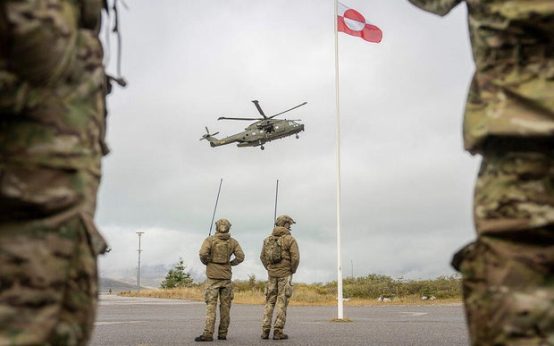 U.S. Secures Strategic Control Over Greenland
  U.S. and Denmark Move Towards Security Agreement Over Greenland
 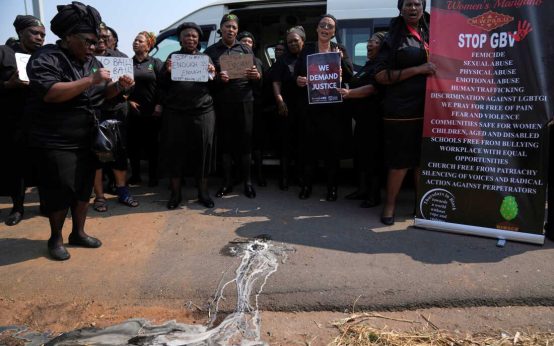 Rising Concern Over Gender-Based Violence in South Africa
 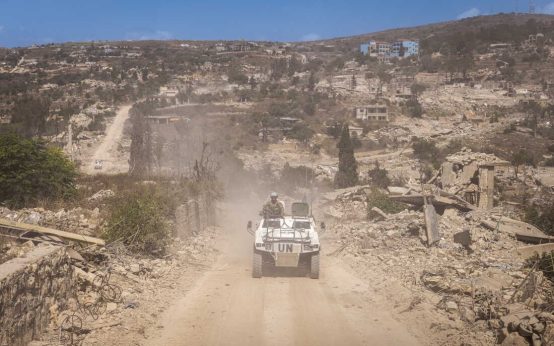 UNIFIL’s Final Patrol in Southern Lebanon Amid Changing Borders