
Introduction
Democrat Annie Andrews entered South Carolina’s Senate race expecting to challenge a seasoned political figure. The passing of longtime Republican Senator Lindsey Graham changed the political landscape drastically. Graham’s death on July 11 led to an emergency special election, creating the state’s first vacant U.S. Senate seat in decades. This situation evolved further when Darline Graham, Lindsey Graham’s sister and appointed interim successor, announced her bid for a full six-year term with Donald Trump’s endorsement.
Republican Realignment
The Republican scene shifted when Darline Graham decided to run, influenced by Trump’s public endorsement. This move immediately redefined a Republican primary field that already had well-known candidates like Representatives Ralph Norman and Russell Fry.
Does this Republican change increase Annie Andrews’ chances, or does Darline Graham’s entry make a GOP hold more likely?
The Challenges for Annie Andrews
Annie Andrews faced Lindsey Graham, a strong incumbent, until his death. Now Republicans must navigate a crowded field for an August 11 special primary, followed by an August 25 runoff if needed. Andrews views the upheaval as primarily affecting Republicans. As Republicans fight it out, her campaign aims to strengthen ties with independents, suburban voters, and moderate Republicans, avoiding an intraparty contest.
Prior to Graham’s death, a June Impact Research poll showed Lindsey Graham leading Andrews by 48 to 45 percent. Though an internal Democratic poll, the results hinted at a closer race than many anticipated in this traditionally Republican state.
Republican Strength in South Carolina
South Carolina’s political environment heavily favors Republicans. The state last elected a Democratic senator in 1998 and hasn’t voted Democrat in a presidential election since Jimmy Carter in 1976. Trump’s margins of victory were substantial: 18 points in 2024, nearly 12 points in 2020, and 14 points in 2016. Experts predicted Lindsey Graham’s seat as a ‘Safe Republican’ hold before his death.
Political forecasters and prediction markets continue to consider the seat a stable GOP territory. Even with the political shuffle, opinions indicate South Carolina remains strongly Republican.
The Republican Primary Landscape
The Emerson College poll conducted post-Graham’s death showed no clear Republican leader. Ralph Norman held 16 percent, with Mark Lynch at 13 percent. Nancy Mace and Pamela Evette both at 10 percent, Russell Fry at 9 percent, and Darline Graham at 6 percent. A significant 18 percent were undecided, reflecting a fragmented Republican landscape.
South Carolina’s compressed election schedule likely benefits candidates with extensive name recognition and Trump’s endorsement.
Nancy Mace Exits Race
Nancy Mace’s withdrawal reshapes the Republican dynamics. She announced her decision on social media, allowing support to potentially flow to candidates like Graham, Norman, and Fry. Mace, prior to her exit, was among the top contenders.
The Influence of Trump’s Backing
Trump’s endorsement can be impactful, evident from past South Carolina primaries. Darline Graham, bolstered by the Graham name and Trump’s support, gathers endorsements from influential Republicans, highlighting her potential as a prime contender.
Andrews’ Path to Victory
For Andrews to succeed, a drawn-out Republican primary that exposes party rifts could work in her favor. Additionally, she needs to consistently attract independents and moderate Republicans. The national climate must shift towards Democrats significantly in this Republican-dominated state.
Conclusion
Lindsey Graham’s death introduced unpredictability to South Carolina’s Senate race, but not necessarily increased competition. While Republicans transitioned from protecting an incumbent to vying for an open seat, the state’s Republican inclination remains. Darline Graham’s candidacy and Trump’s endorsement may stabilize the dynamics post-Graham’s death.
For Andrews, potential opportunities exist, but so do substantial barriers. Observers now focus on whether Darline Graham can leverage Trump’s endorsement and the Graham legacy to win the Republican nomination, signaling the type of challenge Andrews will face.
 The Impact of Arts and Closure on Democracy
 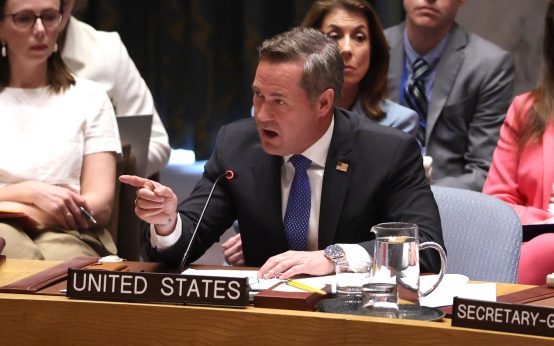 U.S. Ambassador Comments on Iran War Duration Amid Political Concerns
 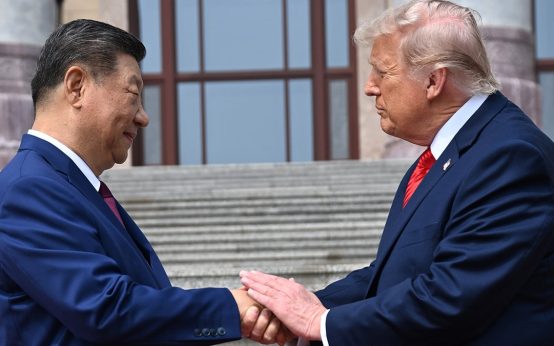 US-China Relations Under Scrutiny: Expert Warns of Escalating Tensions
  No Timeline for End of Iran Conflict
  German Chancellor Merz Vows to Pursue Reforms Despite Election Setbacks
 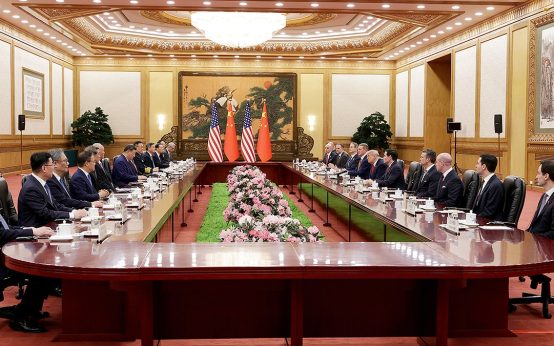 The Technology Rivalry: Trump’s Meeting with Xi and the AI Ecosystem Clash