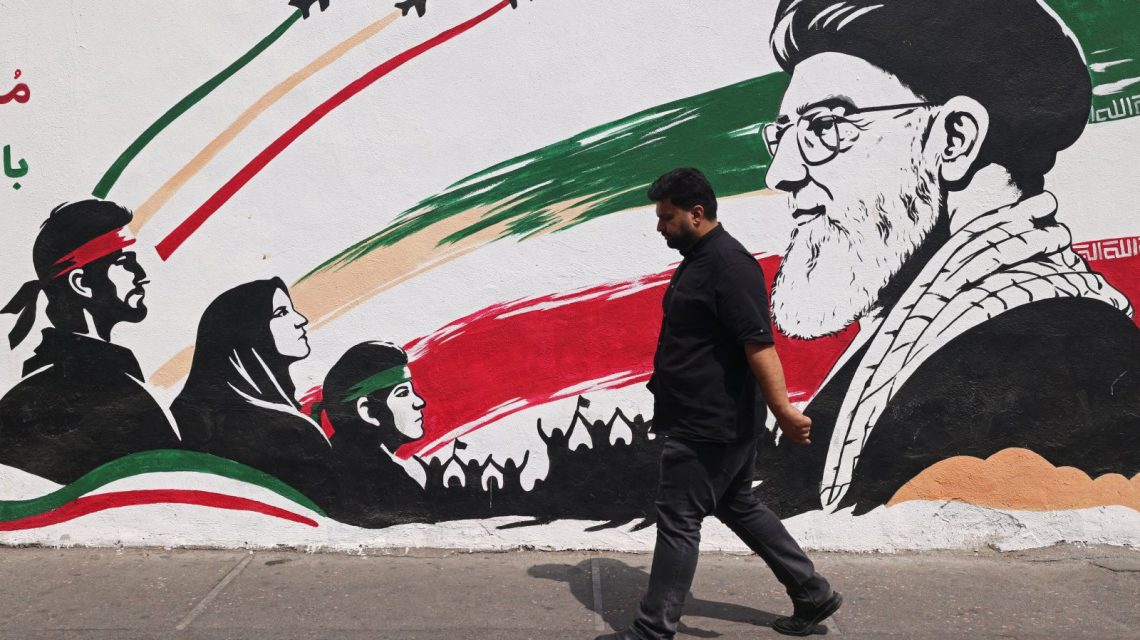
When Operation Epic Fury commenced in February under the Trump administration, the aim was a swift and decisive victory against Iran. This followed the precedent set by Operation Midnight Hammer, which had resulted in successful strikes on Iran’s nuclear facilities the previous summer. These efforts had exhibited overwhelming force, leading to significant setbacks for Iran’s strategic capabilities.
Six months on, the situation has shifted considerably. Iran’s regime has shown unexpected resilience. Despite constant U.S. military pressure, Iran has survived, albeit in a modified form, and tightened control domestically. It has also proven capable of imposing costs on its adversaries, with the most notable tool being the Strait of Hormuz. Iran’s effective strategy in militarizing this waterway has changed the confrontation fundamentally.
Initially, Washington’s goals were broad, aiming to dismantle Iran’s nuclear capabilities, weaken its missile power, and curb its support for regional terror proxies. Today, however, the immediate U.S. priority appears significantly focused on ensuring the free flow of energy and commerce through the critical maritime point of Hormuz.
The possibility of reaching a lasting agreement between Washington and Tehran over Hormuz remains uncertain. Moreover, maintaining the necessary political, economic, and military pressure to change Iranian behavior in the long term is also in doubt. Recent tit-for-tat military exchanges indicate that American policymakers need a strategic shift regarding Iran.
“Washington’s Iran debate has revolved around decisive outcomes, yet the current situation resembles a sustained strategic competition that requires management.”
This situation echoes past international challenges. For decades, the U.S. engaged in a confrontation with the Soviet Union, a regime seeking to undermine U.S. interests, expand its influence, and present an alternative political system. This conflict didn’t materialize as a direct military clash but played out through various strategic arenas, including economics, ideology, and political influence.
The analogy between the Soviet Union and Iran is not perfect. Iran lacks the military and economic power or global reach that the Soviet Union had. Nor does the current international system resemble the rigid bipolar Cold War order. However, certain similarities exist. Iran, like the Soviet Union, maintains legitimacy through opposition to the West and invests heavily in strategic ambitions at the cost of domestic prosperity. Internal contradictions and adverse domestic trends provide openings for strategic competition.
During the Cold War, the U.S. learned that defeating the Soviet system required comprehensive and patient competition. This approach included containing Soviet expansion, restricting access to Western technology and capital, strengthening allies, and engaging in ideological battles.
In the current context with Iran, rather than seeking a single solution, Washington should focus on a long-term strategy to limit Tehran’s military, economic, and ideological maneuvering. In the near term, the U.S. must deter Iranian military ventures and protect navigation rights in the Persian Gulf. Over the long term, sustained pressure is needed to pave the way for fundamental change within Iran.
The U.S. needs a strategy for enduring competition with Tehran, drawing lessons from Cold War strategies if policymakers choose to revisit them.
 A Mother’s Tragic Journey Under Abortion Ban
  U.S. Strategic Goals Remain Unmet Amid Prolonged Conflict
  The Impact of Arts and Closure on Democracy
 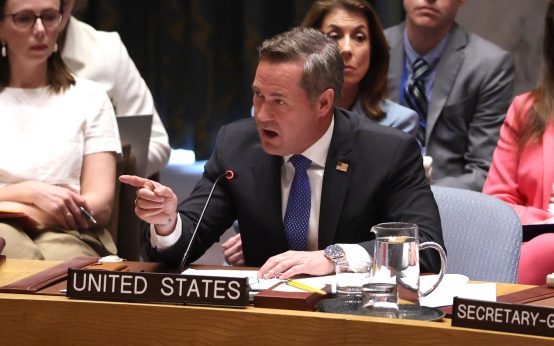 U.S. Ambassador Comments on Iran War Duration Amid Political Concerns
 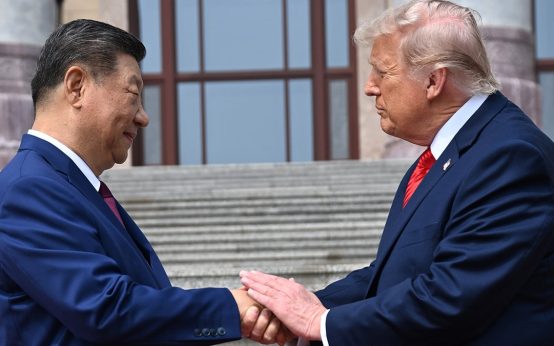 US-China Relations Under Scrutiny: Expert Warns of Escalating Tensions
  No Timeline for End of Iran Conflict