
Scotland supporters at the FIFA World Cup 2026 often sang ‘No Scotland, no party’ to the tune of ‘Seven Nation Army’ by The White Stripes. Originating in the 2018 FIFA World Cup, the song has become synonymous with sporting events worldwide. Initially released in 2003 by The White Stripes, ‘Seven Nation Army’ quickly established itself as a staple in stadiums.
Alan Siegel, a Washington, D.C.-based journalist, explains, ‘It’s simple, catchy, and aggressive, which makes it perfect for a sports anthem.’ Instead of the original vocal line, fans recreate the guitar riff by singing, ‘Ohh, oh-OH-oh-oh ohhhh, ohhh,’ repeatedly. The riff consists of five different pitches, making it accessible for fans to chant together.
Nate Sloan, co-host of the podcast Switched On Pop, notes that the song’s minor key adds an intimidating tone. ‘The last two notes, from the flat six to the five, have historical weight and are common in laments,’ he says. This musical pattern, combined with its rhythm, gives it a memorable quality.
‘Seven Nation Army’ gained traction in sports when Belgian soccer fans of Club Brugge KV adopted it during a 2003 match against A.C. Milan. After an upset victory, they brought the chant back home. It later caught on with Italian fans and became Italy’s anthem when they won the 2006 World Cup.
The song’s popularity spread from European soccer to American football and beyond. Fans of Penn State’s Nittany Lions introduced it to the United States, leading to its adoption by other universities, NFL, NBA, and NHL teams. It became a ubiquitous stadium jam alongside classics like Metallica’s ‘Enter Sandman.’ Sloan considers its singability a major factor in its success, labeling it a ‘folk melody.’
Many soccer fans use the chant to honor players, particularly those with names that fit its rhythm. Neil Govoni, a New York City FC supporter, shares, ‘We used it for players like Maxi Moralez and Andrea Pirlo.’ Some professional athletes acknowledge the impact of fan chants. Olympic gold medalist Briana Scurry describes them as an ‘energy boost,’ while NYC FC defender Sebastien Ibeagha finds them less noticeable during games.
Sloan highlights the communal aspect of chanting, noting, ‘This is how people sang before notation and recorded music.’ Despite evolving fan culture, Alan Siegel believes ‘Seven Nation Army’ maintains its appeal in sports. ‘At every major tournament, it reemerges. It’s got a life of its own,’ he states.
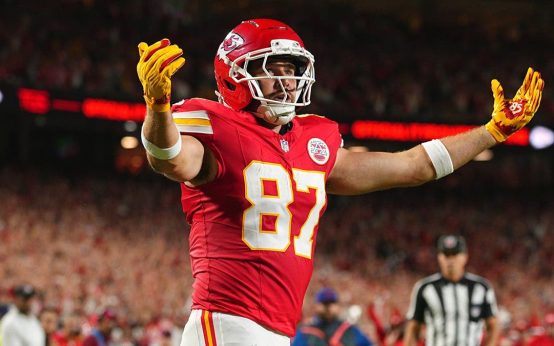 Travis Kelce Sparks Excitement at Arrowhead Stadium
 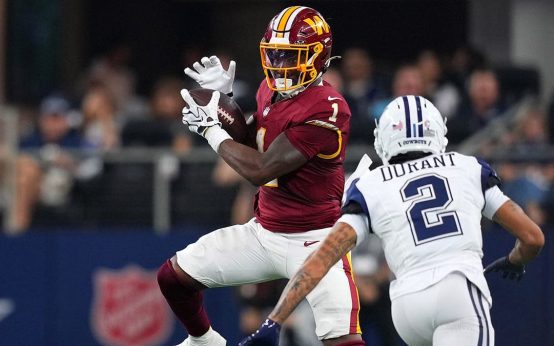 Dallas Cowboys Defeat Washington Commanders Amid Player Injury
  Chicago Cubs’ Alex Bregman Suffers Facial Injury from Foul Ball
 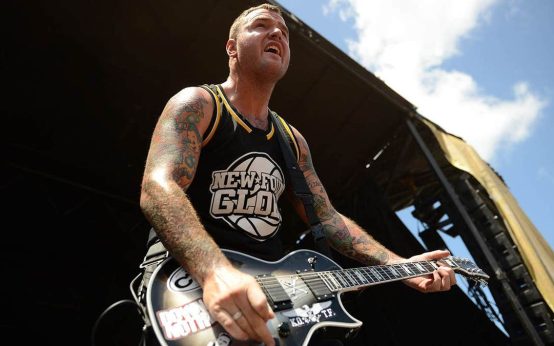 Chad Gilbert of New Found Glory Dies at 45
 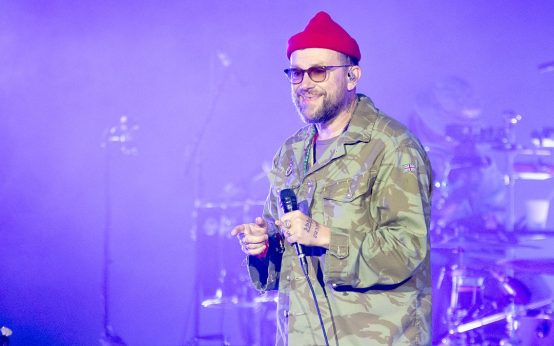 Gorillaz and Macklemore Respond to Controversy Over Israel-Palestine Statements
 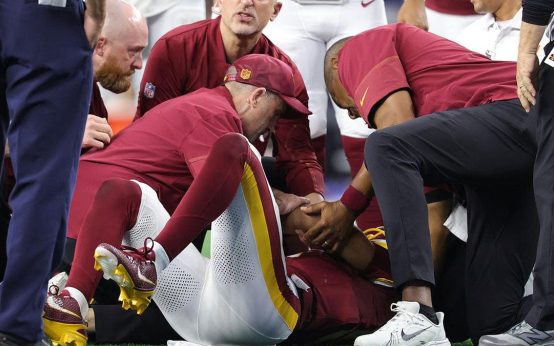 Washington Commanders Face Major Setback as QB Jayden Daniels Suffers Elbow Injury