College football stadiums often carry nicknames that deeply resonate with fans and the culture surrounding the sport. These names emerge from stories steeped in tradition, folklore, and the unique identity of the teams.
Clemson’s Death Valley
Memorial Stadium, home to the Clemson Tigers, gained its nickname due to a sweltering game day in 1945 against Presbyterian College. The visiting coach, Lonnie McMillian, likened the oppressive heat and Clemson’s formidable team to the inhospitable Death Valley in California. By the following season, McMillian used “Death Valley” to caution his players about Clemson’s climate.
The name ‘Death Valley’ was embraced by Clemson’s coach Frank Howard, who saw the intimidating allure it could lend the stadium. Clemson enjoyed an undefeated season in 1948, adding credibility to the moniker. The Tigers’ success in defeating Missouri further cemented the name’s impact.
“Winning brought credibility to the term and to the reputation of the stadium,” former Tigers sports information director Tim Bourret explained.
LSU’s Death Valley
The nickname ‘Death Valley’ for LSU emerged from an auditory association. Initially dubbed ‘Deaf Valley’ due to the intense noise within Tiger Stadium, the name gradually shifted into ‘Death Valley’. This change was culturally embraced, encapsulating the home-field advantage and the spirited fans.
In a historic meeting on January 1, 1959, LSU defeated Clemson in the Sugar Bowl, prompting discussions of territorial claims over the name ‘Death Valley’. While history leaves some ambiguity, the rivalry added depth to the nickname’s usage.
“Death Valley conveys what LSU fans like to think about their stadium and their team,” said LSU historian Scott Rabalais.
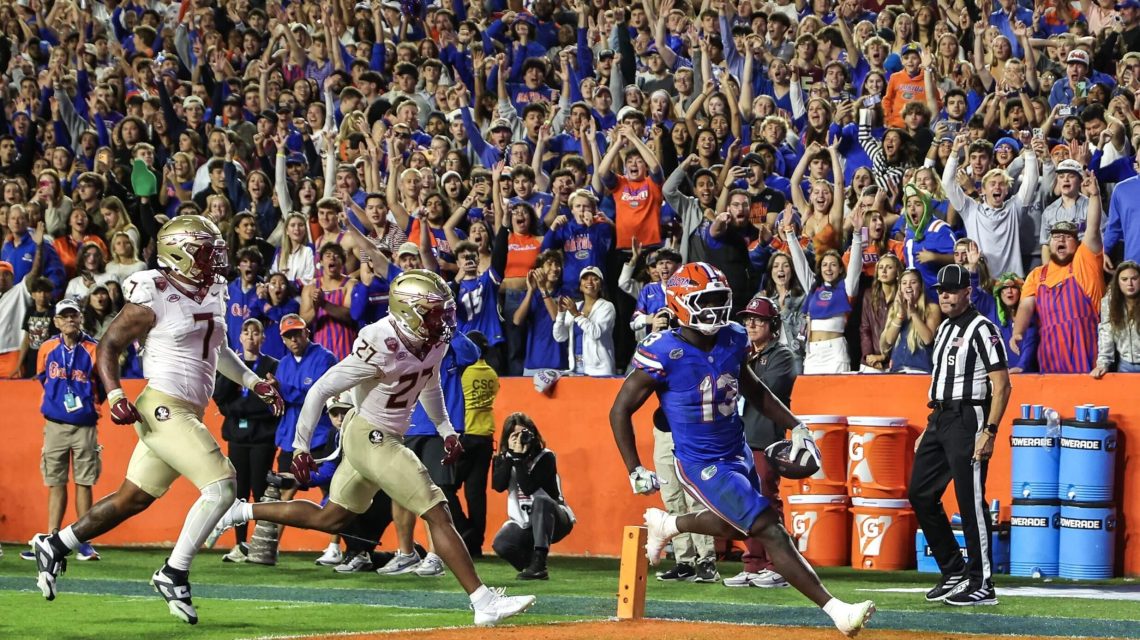
The Swamp
Florida’s home, Ben Hill Griffin Stadium, took on the nickname ‘The Swamp’ thanks to Coach Steve Spurrier’s marketing insight in 1992. Spurrier proposed the name, linking it to the stadium’s geographical setting in a low, marshy area. He cleverly stated, “The Swamp is where Gators live, and where only Gators get out alive,” turning the nickname into an identity badge.
“He was trying to manufacture tradition because Florida was a sleeping giant,” journalist Mike Bianchi recounted.
The Big House
Michigan Stadium, affectionately known as ‘The Big House,’ emerged not from strategic branding, but organically through legend. Broadcaster Keith Jackson popularized the term without official endorsements. Its grand size and stadium design naturally contributed to its iconic stature.
Michigan Stadium opened in 1927, fulfilling athletic director Fielding Yost’s vision of grandeur.”
The Horseshoe
Ohio State’s stadium, known as ‘The Horseshoe,’ highlights the architectural choices that shaped its identity. Built in 1922, its horse-shoe shape was visually striking, evolving from Howard Dwight Smith’s design inspirations.
“It was built on faith,” remarked author Bill Rabinowitz. Funded by all 88 Ohio counties, it was considered overly ambitious but later recognized for its influence.
Unique Monikers
College football also embraces unique stadium names beyond powerhouse programs. Eastern Michigan’s ‘The Factory’ reflects local industrial roots. At UCF, ‘Bounce House’ was inspired by literal vibrations felt when fans cheered. Each name narrates stories that enhance the home-field persona.
“That’s probably why we don’t knock down Michigan Stadium and build a new stadium every 20 years,” noted historian Greg Dooley. The cultural signature ingrained in these stadiums remains essential.
 Travis Kelce Sparks Excitement at Arrowhead Stadium
  Dallas Cowboys Defeat Washington Commanders Amid Player Injury
  Chicago Cubs’ Alex Bregman Suffers Facial Injury from Foul Ball
  Washington Commanders Face Major Setback as QB Jayden Daniels Suffers Elbow Injury
  Converse Apologizes and Withdraws Controversial Ad Amid Criticism
  Indiana Fever’s Struggles Against Washington Mystics