
Initially a symbol of Vladimir Putin’s power, Crimea is now a significant challenge for him as Russia’s conflict in Ukraine struggles. On June 26, Russian-installed authorities in Crimea declared an “emergency situation” due to disruptions caused by Ukrainian attacks. These attacks have led to fuel shortages and power outages, impacting civilian life on the Black Sea peninsula under Russian control. Civilian fuel sales were already halted, with Sergey Aksyonov, Crimea’s Kremlin-appointed leader, stating that priority would be given to government agencies. Putin acknowledged a fuel shortage in Russia, promising enhanced air defenses, repairs, and more deliveries to Crimea, which houses Russia’s only warm-water naval base. Ukraine still aims to reclaim Crimea, though many Western analysts view this as a distant possibility. Crimea has become a complicated issue for Putin, being too important to relinquish, yet too vulnerable to use effectively. It’s also becoming costly to maintain. Here are several potential paths for Crimea’s future.
1. Reinforcing Crimea With a Cost to Russians
Putin has promised to increase fuel imports, expedite repairs at oil facilities, and boost deliveries to Crimea both by land and sea. This approach aligns with his management style: absorbing costs, centralizing control, and denying that battlefield pressures impact political decisions. However, fortification doesn’t restore normalcy. Fuel sales in Crimea are already halted for private motorists, with restrictions affecting public transport, shops, cafes, and street lighting in Sevastopol. While a fortress might be defendable, it becomes an increasingly difficult place to govern. For Putin, Crimea shifts from a symbol of victory to a recurring financial obligation. The Kremlin must prioritize services for the military, police, and emergency responses over civilians, pushing the narrative that enduring hardships is proof of external attacks on Russia.
This scenario revises the narrative he sold to Crimea’s ethnic Russians and his own society. Crimea’s annexation in 2014 was meant to be a straightforward victory, yet it has become a financial burden instead of a thriving territory.
2. Ukraine’s Strategic Isolation of Crimea
Ukraine’s Ministry of Defence announced in June that the R-280 route, connecting Rostov-on-Don to Crimea, is now under Ukrainian fire control. This route is key for transporting fuel and equipment to Russia’s southern forces. Without needing a full military assault, Ukraine compromises Crimea’s reliability as a logistical base, effectively isolating it. Ukrainian forces have targeted logistical hubs, depots, and defense systems, leading to significant disruptions in Crimea. While this weakens Russia’s southern operations, it’s more damaging for Putin’s reputation. A leader who achieved legitimacy through control now faces the dilemma of managing a territory requiring constant emergency interventions from Moscow.
3. Russia’s Broader Military Response
Putin has accused Ukrainian strikes of attempting to fracture Russian society and push Moscow into unfavorable negotiations. In response, Russia may choose to escalate military actions elsewhere instead of shifting its stance on Crimea. Recent Russian assaults have led to casualties in Ukraine, using a barrage of long-range drones and missiles. This hardline approach shows that pressure may harden Putin’s resolve instead of prompting concessions. Striking Ukrainian cities doesn’t address Crimea’s logistic issues directly, but it allows Putin to project strength, countering the vulnerabilities exposed by the situation in Crimea.
4. Crimea as a Diplomatic Stalemate
In this scenario, Crimea remains under Russian control without resolving its political status. Despite its integration into Russia, Crimea lacks internationally recognized sovereignty. The United Nations reaffirmed Ukraine’s territorial integrity after Russia’s annexation. NATO considers Russia’s capture of Crimea illegal. Kyiv’s resolve hasn’t wavered, viewing Crimea as Ukrainian territory and continuously working to reintegrate it. President Volodymyr Zelensky emphasizes attacks on sites supporting Russia’s war efforts. Putin faces a dilemma where Crimea is rhetorically defendable but publicly challenging to negotiate over.
5. The Internal Impact of Crimea on Putin’s Leadership
Putin’s history shows resilience amid crises. Despite evident challenges, he maintains a firm stance, ruling out concessions while asserting Russia’s perseverance through difficulties. The Russian political landscape equips the Kremlin with tools for suppression and propaganda. While Crimea’s status deteriorates, it doesn’t guarantee a drastic political change in Russia. The major risk for Putin lies in gradually eroding credibility. Fuel shortages have triggered public frustration, with Putin publicly addressing Russia’s fuel issues. The challenge is maintaining authority while facing high costs to uphold control. Crimea is still Russian on maps, but to Ukraine, it serves as leverage against Russia’s war efforts.
 Allan Lichtman’s Framework for Assessing Presidential Greatness
 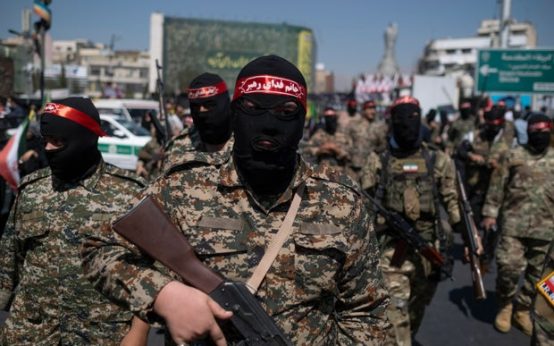 Tensions Escalate in Iran Conflict as Global Leaders Weigh Options
 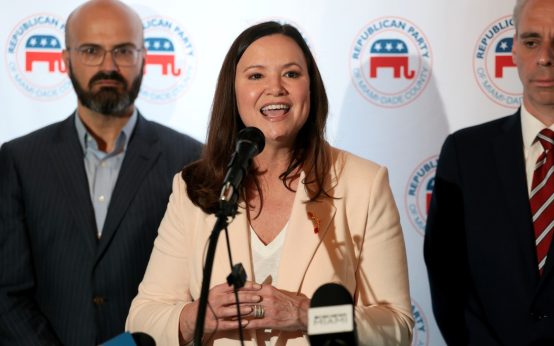 Florida Senate Race Tightens as Recent Polls Show Dead Heat
 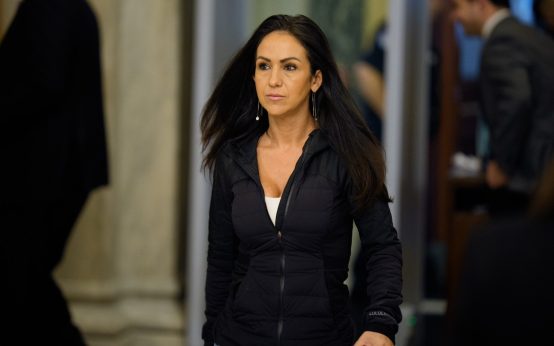 Ethics Complaint Targets Colorado Representative Lauren Boebert
 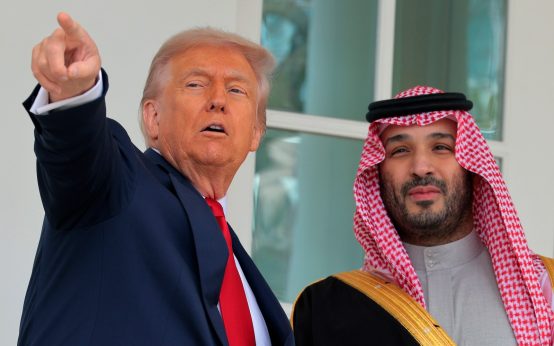 White House Approves F-35 Sales to Saudi Arabia Amidst Regional Tensions
  Ken Paxton’s Campaign Funding and Polls