The idea of “Tax the rich” often surfaces in discussions about funding government programs in America. Proposals for free college, universal health care, government-funded childcare, housing programs, and expanding Social Security frequently point to the wealth of billionaires as a source of funding.
Assessing the Numbers
According to the Cato Institute, the cost of the Democratic Socialists of America’s 2026 platform could range between $71 trillion and $212 trillion over a decade. This estimate reflects the potential scope of these initiatives, with calculations from various studies.
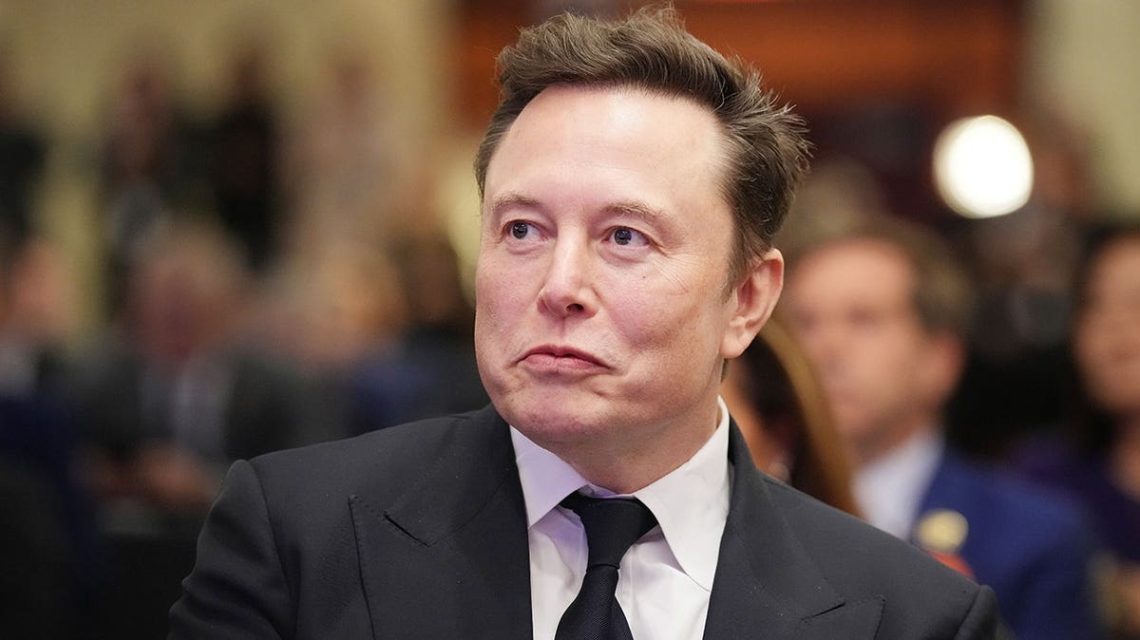
Elon Musk listens as President-elect Donald Trump addresses a House Republicans Conference meeting in Washington, D.C., on Nov. 13, 2024. Musk was the world’s first official trillionaire. (Getty Images)
The Limitations of Wealth Redistribution
Consider the $71 trillion figure. Could the wealth of America’s billionaires suffice? Cato’s findings reveal that the 400 wealthiest Americans collectively held about $6.6 trillion in 2025. Confiscating all their wealth would cover only 9% of the estimated cost.
The Corporate Option
Some might suggest targeting corporate profits. Cato estimates domestic corporations could yield $35 trillion in profits after federal taxes over the decade. However, seizing these profits would still only amount to roughly half of the $71 trillion figure.
New York City mayoral candidate Zohran Mamdani, center, celebrates with Sen. Bernie Sanders, I-Vt., left, and Rep. Alexandria Ocasio-Cortez, D-N.Y., during an election rally at Forest Hills Stadium on Oct. 26, 2025, in Queens, New York. (Andres Kudacki/Getty Images)
Impact of Tax Rate Changes
Increasing income-tax rates might seem viable, but it proves less effective. The Joint Committee on Taxation’s economists concluded that raising top federal income-tax rates to their revenue-maximizing level would generate about $400 billion over ten years.
Changes in tax rates lead people to alter their income-generating behaviors, investments, and financial structures. Thus, simply multiplying current incomes by higher tax rates is unrealistic.
Broader Implications
Discussions on higher taxes and increased government services can continue, yet the belief in a vault filled with billionaire money is misleading. Eventually, the tax burden could cascade down from billionaires to millionaires, successful business owners, and eventually to upper-middle-income families.
This shift underscores the reality that wealth redistribution can’t singlehandedly fund all government ambitions. The need for a broader base of taxpayers becomes evident.
Margaret Thatcher famously highlighted that socialism’s problem is the eventual depletion of other people’s money. The political debate endures, yet the complexities of financial mathematics remain challenging to refute.
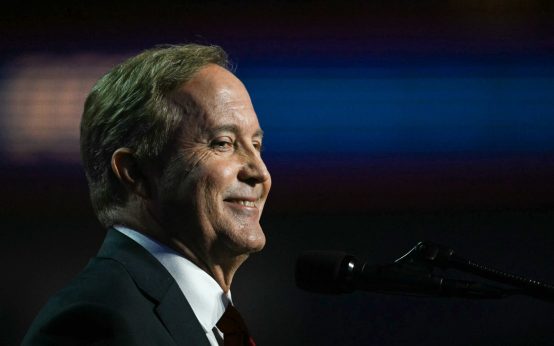 Ken Paxton’s Campaign Funding and Polls
  Inside the Secret Deals Powering the President’s Push to Deport Migrants to Countries Not Their Own
  Independence of Research from Political Agendas
 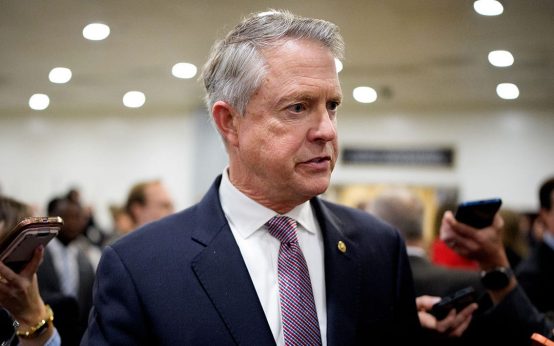 Sen. Roger Marshall Denies Allegations of Political Attack
  Concerns About Food Safety Reach Critical Levels
  Court Blocks Trump’s Mail-Ballot Rules Ahead of Elections