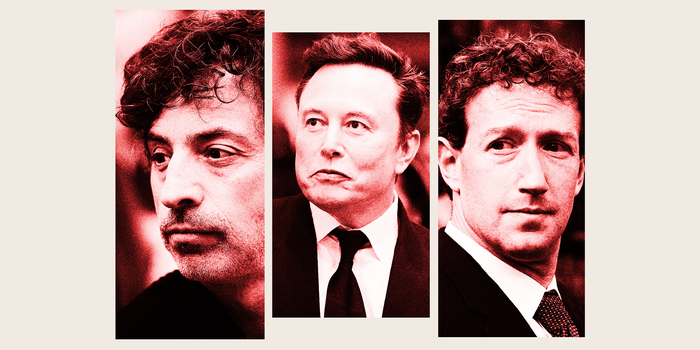
The recent midterm elections left a significant impact on the tech industry in California. Many perceived these elections as a moment of reflection, particularly for those involved with substantial political spending. Despite previous controversies, Silicon Valley’s billionaires have reasons to celebrate, as the anticipated wealth tax did not materialize.
California voters seemingly opposed Proposition 40, a proposal to implement a one-time 5% tax on billionaires. Voters also seemed inclined to support Proposition 42, which would limit future efforts to tax financial assets. This outcome is notable given California’s high wealth disparity and progressive reputation. Opinions differ on whether this signals a failure of populism or triumph of free enterprise.
Currently, over 200 billionaires reside in California, with a combined wealth of approximately $2.3 trillion. This is comparable to the annual income of all state residents. Wealth in Silicon Valley often consists of company equity, untouched by taxes until sold. Prominent figures like Mark Zuckerberg and Larry Page choose minimal salaries to limit tax exposure. Tom Steyer, an investor supporting the wealth tax, advocates for a fair tax system.
Proposition 40 aimed to correct the disparity, allowing billionaires to remain exceedingly wealthy while addressing tax fairness. However, critics argued that taxing paper wealth could harm the tech sector and drive businesses out of California. Opponents noted that several tech leaders had already left California due to unfavorable policies.
To defeat Proposition 40, prominent tech figures, including Sergey Brin and Eric Schmidt, formed a coalition. They invested over $300 million in the campaign, outspending supporters significantly. Meanwhile, in Texas, despite substantial spending by Elon Musk to maintain GOP control, voters elected a Democratic governor and senator, indicating a shift in political dynamics.
The debate over wealth taxation persists, as evidenced by close voter support for Proposition 40. National surveys indicate widespread belief that billionaires do not pay enough in taxes. Some advocates suggest federal wealth taxes as a fairer solution, shifting focus from state to national policy.
The discussion around wealth taxes is expected to influence future political campaigns, including the presidential election in 2028. A strategy for taxing the ultra-rich might become crucial for aspiring candidates, as the debate over wealth inequality continues.
 Trump Dismisses Third Impeachment Prospects
 Custody Dispute Involving Rep. Max Miller Delayed
 Attorney General Addresses Post-Midterm Democratic Threats
 Senator Elizabeth Warren and the Future of Crypto Regulation
 Bipartisan Opportunities in Foreign Policy
 Political Shifts and Concerns Post-Midterms