A campaign bus emblazoned with “Talarico for Texas” rolled to a halt at Memo’s Restaurant near the U.S.-Mexico border in Eagle Pass, Texas. Bibi Valdez watched in anticipation, noting a political shift among locals, especially Hispanic voters, who transitioned to Republican support two years ago. She expressed confusion over this trend as James Talarico, a Democratic U.S. Senate candidate, emerged to engage with potential supporters.
Talarico aims to be the first Democrat elected statewide in Texas since 1994. His tour includes predominantly Hispanic counties that became political focal points after the 2024 election. Historically Democratic, these areas showed significant support for Republican President Donald Trump, reflecting a broader national shift among Hispanic voters. Residents cite increased border crossings and living costs as primary factors in this shift. Though illegal crossings lessened since 2024, high living expenses remain, offering Talarico a campaign focus as he challenges Republican Ken Paxton, Texas attorney general.
The ability of Talarico’s platform to recapture former Democratic Hispanic voters could influence the Senate race outcome and potentially affect Democratic control in the Senate. On July 13, 2026, Talarico attended a rally in Del Rio, Texas, interacting with attendees at a packed Memo’s Restaurant. Valdez remarked on acquaintances who switched to Republican support, attributing their decision to perceived economic improvement, which she argued was inaccurate.
Talarico stated, “The economy is rigged against working people.”
Inside, Talarico criticized politicians who exploit border issues, promoting instead the beauty of border communities. He accused Paxton of serving mega donors’ interests, claiming the system obstructs progress despite efforts by working individuals.
Past Democratic candidates, like Beto O’Rourke, previously attracted crowds without electoral success. Despite Republican confidence, Democrats sense a shift as President Trump’s popularity wanes within the Hispanic demographic, as seen in AP-NORC polls indicating a drop in approval from 41% to 29% among Hispanic adults.
Residents along the Rio Grande, defining the U.S.-Mexico border, remember migrant surges affecting local economies and resource demands, often blaming President Joe Biden’s administration for insufficient aid. In Maverick County, support for Trump surged drastically in 2024.
Voters focus on economic concerns addressed by both Talarico and Paxton, like inflation and social issues. Hector Flores supports Republicans, despite acknowledging local repercussions. Flores’ companion, Eduardo “Lalo” Riojas, criticized high costs under Trump, while supporter Mike Garcia questioned both candidates due to Paxton’s controversies and Talarico’s religious remarks.
Paxton leverages immigration issues during his McAllen border stop, citing litigation against Biden’s policies and National Border Patrol Council backing. Paxton’s campaign emphasizes his alignment with Hispanic values and depicts Talarico in contrast.
In response, Talarico proposed investment in border surveillance and personnel, acknowledging disillusionment with Biden’s policies. Talarico noted unmet Republican promises, addressing voters’ economic struggles, such as rent and healthcare costs.
Associated Press journalist Amelia Thomson-DeVeaux contributed additional reporting from Washington.
 The Impact of Arts and Closure on Democracy
 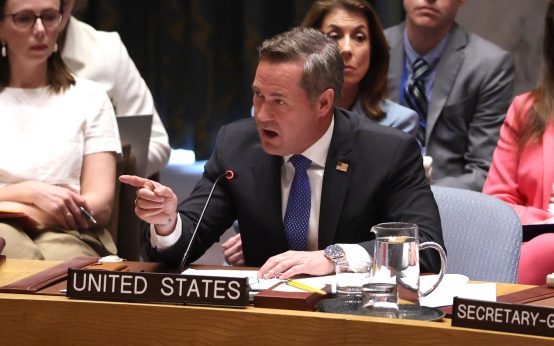 U.S. Ambassador Comments on Iran War Duration Amid Political Concerns
  US-China Relations Under Scrutiny: Expert Warns of Escalating Tensions
  No Timeline for End of Iran Conflict
  German Chancellor Merz Vows to Pursue Reforms Despite Election Setbacks
  The Technology Rivalry: Trump’s Meeting with Xi and the AI Ecosystem Clash